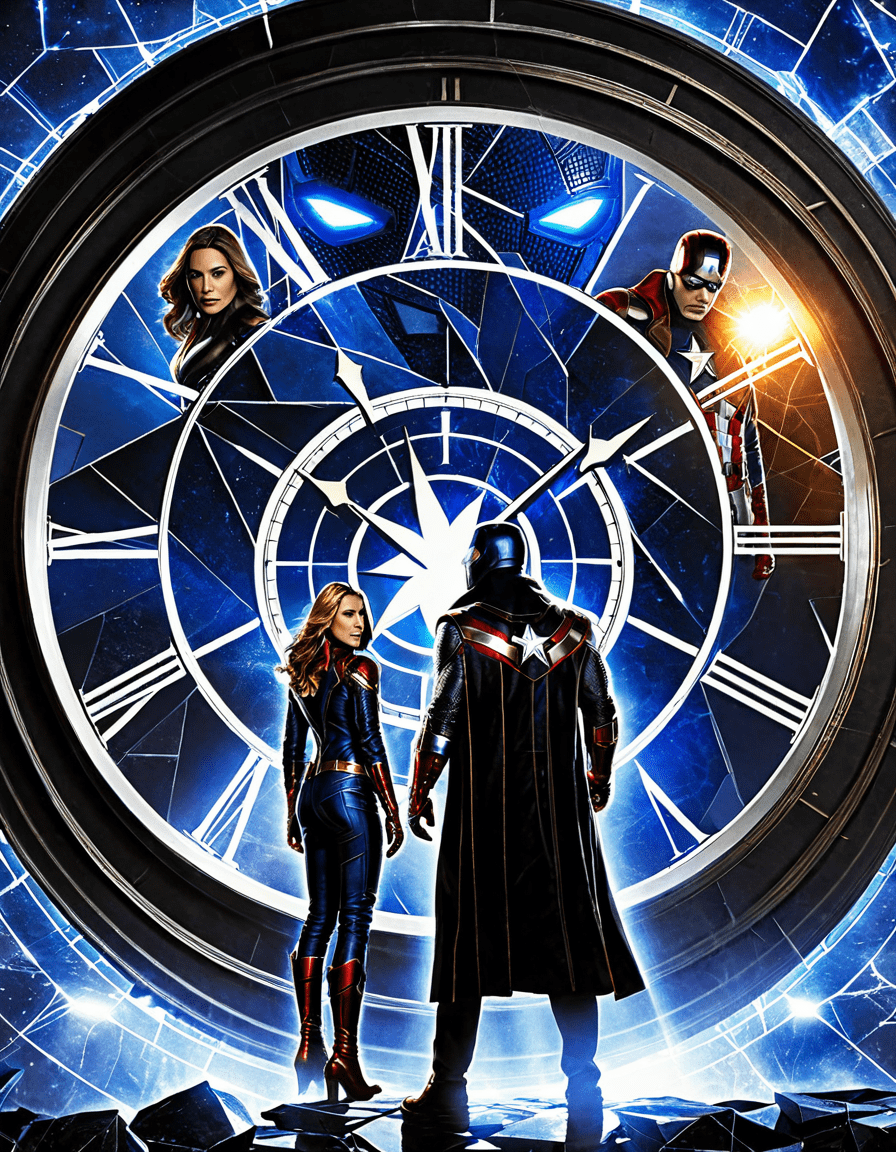
When it comes to redefining cinema as we know it, the Marvel Cinematic Universe (MCU) stands head and shoulders above the rest. Since its launch in 2008 with “Iron Man,” the MCU has skyrocketed to become a multi-billion-dollar empire, fundamentally changing how stories are told on the silver screen. Not only has it set a new bar for narrative depth and interconnected plots, but it’s also compelled other franchises like the DC Universe (DCU) to rethink their playbooks. The MCU’s ability to weave intricate character arcs while maintaining overarching themes has influenced the entire industry. Audiences crave connection, and the MCU delivers—showing that when you invest in layers of storytelling, viewers are all in.
As the entertainment landscape evolves, streaming platforms have played a pivotal role in the MCU’s growth. Disney+ has been a game-changer, allowing the MCU to craft original series like “WandaVision” and “Loki.” These shows do more than enrich character backgrounds; they serve as essential threads in the rich tapestry of tales. The result? Viewers are not only hooked between releases of massive films but are also given a chance to engage with beloved characters in fresh, innovative ways. The MCU is more than a franchise—it’s a cultural phenomenon that captures the essence of what audiences want today.
Moreover, the MCU’s influence doesn’t just stop at the box office; it’s setting trends for the entire film industry. Other franchises have scrambled to adopt interconnected storytelling methods, realizing they can’t afford to fall behind. With the MCU making headlines and shattering box-office records, the pressure is on for other platforms to keep up. In essence, the MCU isn’t just dominating Hollywood; it’s pioneering paths that have made today’s cinematic experiences richer and more compelling.
Top 5 Groundbreaking Stories in the MCU That Changed Hollywood
“Black Panther” didn’t just break the box office ceiling; it smashed it to smithereens! With its culturally rich narrative and celebration of diversity, this film opened the door for more inclusive storytelling in Hollywood. It’s easy to see its lasting impact, as other studios now look to prioritize diverse casts and perspectives in their films, creating a ripple effect that’s undeniable.
“Avengers: Endgame” is a testament to what could happen when storytelling spans over a decade. This epic conclusion not only tied up various character arcs but also proved that long-term character development pays off. Films that dare to engage their audiences over such a prolonged narrative have used “Endgame” as their model, showing what high emotional stakes can achieve.
“Spider-Man: No Way Home” cleverly navigated nostalgia while crafting an intricate narrative. By bringing together different Spider-Man iterations, it celebrated the character’s evolution across decades. This innovative take not only resonated with fans but also set a precedent for franchises to explore multiverse themes—an avenue once thought too risky for mainstream cinema.
Ever thought you’d see a superhero series adopting sitcom formats? Well, “WandaVision” flipped the script by diving deep into themes of grief and identity. This bold approach caught the eye of both viewers and critics, influencing future series to push boundaries and look beyond traditional superhero narratives. Today, creators are inspired to do the same, fostering a new era where shows can tackle mature themes without hesitance.
While “Eternals” may have received mixed feedback, it undoubtedly sparked conversations around complex storytelling. By engaging with philosophical themes like what makes a hero, it challenged audiences to rethink their perceptions. Other franchises have taken note, leading to an artistic exploration of abstract narratives that continues to evolve within the industry.
MCU’s Influence Beyond the Screen: Collaborations with Platforms like Varsity TV and WCCO
The MCU’s impact stretches beyond theatrical releases and into varied media collaborations. Take its partnership with Varsity TV, for example. This platform cleverly engages younger audiences through digital content aimed at sports and competition. Exclusive interviews and themed content connect fans in innovative ways, demonstrating a marketing strategy that leans heavily into immersive storytelling—understandably, a tactic essential for drawing in a generation that thrives on instant engagement.
Similarly, collaborations with WCCO have provided a window into the MCU’s filmmaking process. Documentaries and behind-the-scenes specials not only entertain but also inform viewers, deepening their appreciation for the craft. From the actors who’ve embodied iconic roles to the creative minds behind the scenes, such interactions remind fans that there’s a significant story behind every frame. It’s an excellent example of how franchises can generate lasting connections with their audiences.
The MCU’s savvy use of these partnerships shows how critical it is to meet fans where they are—through new media, engaging content, and personalized storytelling. This strategy reflects a deeper understanding of how young adults consume content today, further evidencing the MCU’s ability to adapt and thrive in an ever-shifting digital landscape.
The Future Landscape: How the MCU Sets the TCM Schedule
As the MCU continues to be a dominant force in Hollywood, its influence will inevitably shape the programming schedules of platforms like Turner Classic Movies (TCM). The intersection of classic cinema with modern blockbuster storytelling opens up fascinating opportunities for retrospectives that link historical films with today’s superhero epics. How cool would it be to see a classic series that explores films that inspired the characters we’ve come to love?
TCM may even curate selections that highlight movies from the past that laid the groundwork for the superhero genre. By looking back at classic films and understanding their themes, audiences today gain further context on the stories that precede the MCU. This blend of past and present affirms that the MCU isn’t merely dominating cinema; it’s driving forward what storytelling can look like in the future.
In a world saturated with content, the MCU has illustrated the power of innovative narratives and cross-platform storytelling. As other franchises examine their approaches, we may be on the cusp of a new era where creativity knows no bounds. Audiences will no longer simply consume content; they’ll demand experiences that challenge their expectations.
Innovating Forward: The MCU’s Continued Legacy and Influence
Marvel’s impact is more than just numbers; it’s a cultural shift that redefines storytelling. The MCU has set new benchmarks for narrative interconnectivity, character depth, and the necessity of diverse representation. As a result, other studios are now compelled to adapt and innovate. This pressure fosters an atmosphere rich with possibilities where films can challenge conventional frameworks to meet audience demands.
As we push into the 2020s, the MCU’s legacy will continue to inspire not just how stories are told but also who gets to tell them. More diverse voices are finding their way into the industry—creators who bring fresh perspectives and rich storytelling experiences that resonate. The future’s bright, with the MCU steering a course for not just box office success but revolutionary changes in how we perceive cinema.
In conclusion, the MCU stands as a beacon not just for fans but for the entire film industry. With its ability to break boundaries, connect generations, and innovate storytelling, it’s reshaped Hollywood in ways we’re only beginning to understand. So, as the digital and cinematic worlds collide, remember one thing: the MCU is more than entertainment—it’s a movement that inspires us to think, feel, and engage in new and exciting ways.
The MCU: Marveling at Hollywood’s Storytelling Prowess
Marvel’s Origins and Inspirations
Did you know that Howard The Duck was one of Marvel’s first attempts to take a quirky character from comic books to the silver screen? This 1986 film has gained a cult following, showing that even the strangest characters have a place in fandom! The MCU has borrowed elements from countless comic titles, transforming lesser-known stories into blockbuster hits. Of course, everyone loves a good comic adaptation, but sometimes the narrative choices lead to mixed receptions, like the backlash certain older films experienced—each a fascinating lesson in Mea Culpa.
Creative Depth in Films and Series
The MCU doesn’t just rely on action; it dives deep into character development, exploring themes that resonate with audiences worldwide. For example, research shows that anger management Books can significantly influence emotional well-being, much like how films like Knocked Up touch on the trials of relationships and personal growth. With every character arc, the MCU encourages viewers to reflect on their own journeys, balancing humor with heartfelt moments. It’s this approach that keeps fans returning for more and discussing pivotal Criminal Minds Episodes where emotional complexity breeds engaging drama.
Enter a New Era of Communication
Adding to its modern feel, the MCU often incorporates current cultural trends, even in how characters communicate. For example, new Emojis have become an integral part of our daily interactions, a comedic element the MCU cleverly adapts in places, making the dialogue relatable. This evolution shows that Marvel is not just about superheroes; it’s also about connecting with audiences on a human level. Whether it’s through relatable humor or engaging narrative flaws, the MCU has remarkably shifted the landscape of storytelling.
Marvel’s cinematic universe keeps pushing the boundaries of what comic adaptations can achieve, turning once-hidden gems into iconic milestones. From a duck’s unexpected debut to characters navigating friendship and love, each facet of the MCU’s storytelling crafts an intricate tapestry that continues to enthrall fans. So, the next time you cheer for your favorite Marvel hero, remember it’s not just a show—it’s part of an ongoing dialogue about who we are and how we relate, much like the stories in “Puss in Boots” streaming platforms, offering escapism with a clever twist.