1. The Legacy of Louis Armstrong: Influencing Generations of Musicians
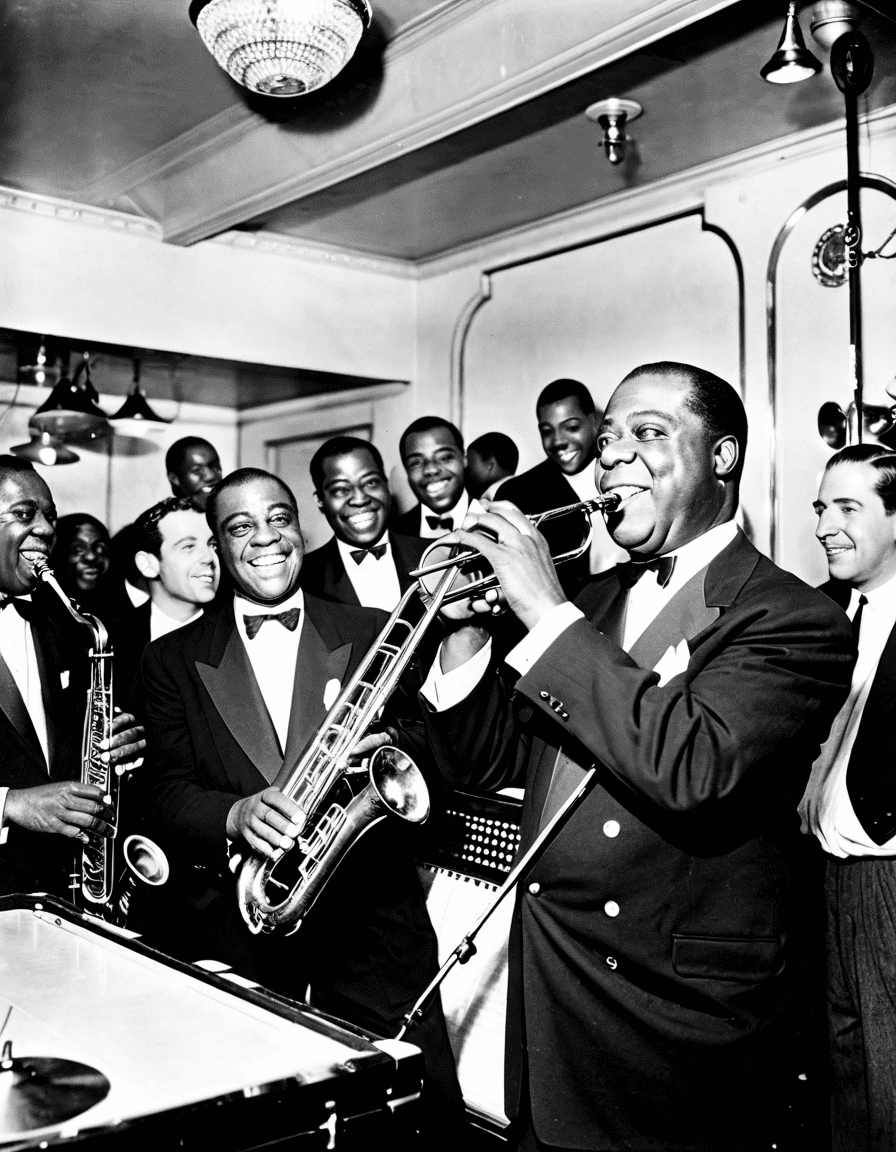
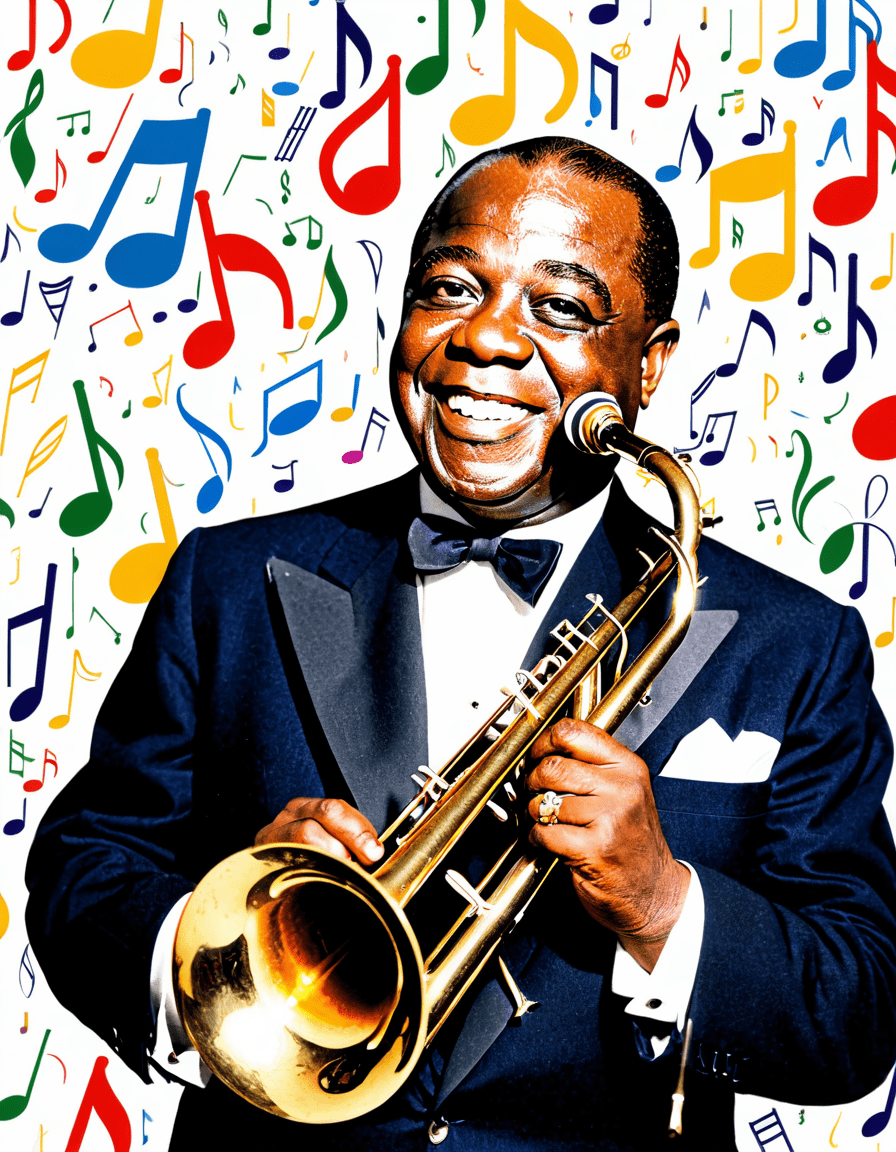
Louis Armstrong, affectionately known as “Satchmo” or “Pops,” didn’t just play jazz—he revolutionized it. His innovative trumpet playing and distinct vocal style reshaped the music landscape, establishing foundations that countless artists stand upon today. Armstrong’s influential sounds echoed through music genres that go beyond jazz, impacting everyone from rock titans like Jimi Hendrix to folk stalwarts like Bob Dylan.
Armstrong wasn’t just a musician; he was a cultural pioneer. His ability to communicate powerful emotions through music allowed him to connect with audiences worldwide. With a mix of improvisation and heartfelt sincerity, he showcased jazz not just as an art form, but as a universal language transcending racial and cultural boundaries. His legacy is visible today, in every soulful trumpet note and every heartfelt vocal phrase, inspiring generations of musicians.
The brilliance of Louis Armstrong stretches beyond mere notes and rhythms. By forming a unique musical identity, he laid the groundwork for future artists to explore their voices and styles. As a cultural icon, he embraced the emerging influences of his time and skillfully wove them into his music, inspiring a sense of belonging and identity in generations of musicians.
2. Top 7 Artists Influenced by Louis Armstrong
Armstrong’s extraordinary contributions didn’t just reshape jazz; they paved the way for a multitude of artists across various genres. Here are seven musicians whose work has been profoundly influenced by Louis Armstrong:
Though known as a rock legend, Hendrix had deep respect for Armstrong, particularly his improvisational genius. His innovative guitar techniques and boundary-pushing performances have roots tracing back to Armstrong’s daring spirit in jazz.
Marley’s reggae rhythms and melodies often incorporated jazz influences, paying homage to Armstrong’s legacy. Just like Armstrong, Marley thrived on spontaneity in live performances, creating magic on stage that reflected their influences.
Known as ‘The Boss,’ Springsteen channels jazz’s emotional freedom in his songwriting. The storytelling style he employs, where every song feels like a personal narrative, can be traced back to Armstrong’s heartfelt improvisation.
As a legendary figure in American music, Dylan’s intricate lyrics and melodic understanding showcase Armstrong’s influences. His seamless blend of blues and storytelling can be likened to Armstrong’s jazz roots—both artists profoundly understood the art of word and sound.
Fitzgerald, often celebrated as the “First Lady of Song,” owes significant parts of her scat singing technique to Armstrong’s innovations in vocal jazz. Their collaborations, like the famous Ella and Basie!, captured the heart of jazz and its evolution.
Davis was a transformative force in jazz, taking Armstrong’s legacy and evolving it into something fresh—modal jazz. He expertly showcased the profound complexity Armstrong introduced, creating a ripple effect in music that remains relevant today.
A blend of jazz, pop, and soul defines Jones’ sultry vocal style, which is heavily influenced by Armstrong’s artistry. Her commercial success illustrates the enveloping presence of jazz, a testament to Armstrong’s impact on contemporary music.
3. The Surprising Cultural Significance of Louis Armstrong
Louis Armstrong’s story reaches far beyond that of music; it maps the journey of African Americans in the 20th century. Born in New Orleans in 1901, Armstrong faced incredible challenges, yet his remarkable talent broke societal barriers. He emerged as one of the first black superstars in a predominantly white industry, providing representation in an era struggling with racial dynamics.
Armstrong’s life was adorned with a tapestry of cultural experiences, reflecting the rich diversity of his surroundings. His cross-cultural collaborations helped bridge divides and enhance the appreciation for jazz as a universal language. He wasn’t just a musician; he was a narrative of resilience and perseverance, showcasing the power of creativity against adversity.
The cultural significance of Louis Armstrong goes hand-in-hand with his musical legacy. His journey resonates with many, echoing triumphs and encouraging individuals to embrace their roots while reaching for universal connection through art.
4. A Master of Collaboration: Armstrong and His Musical Peers
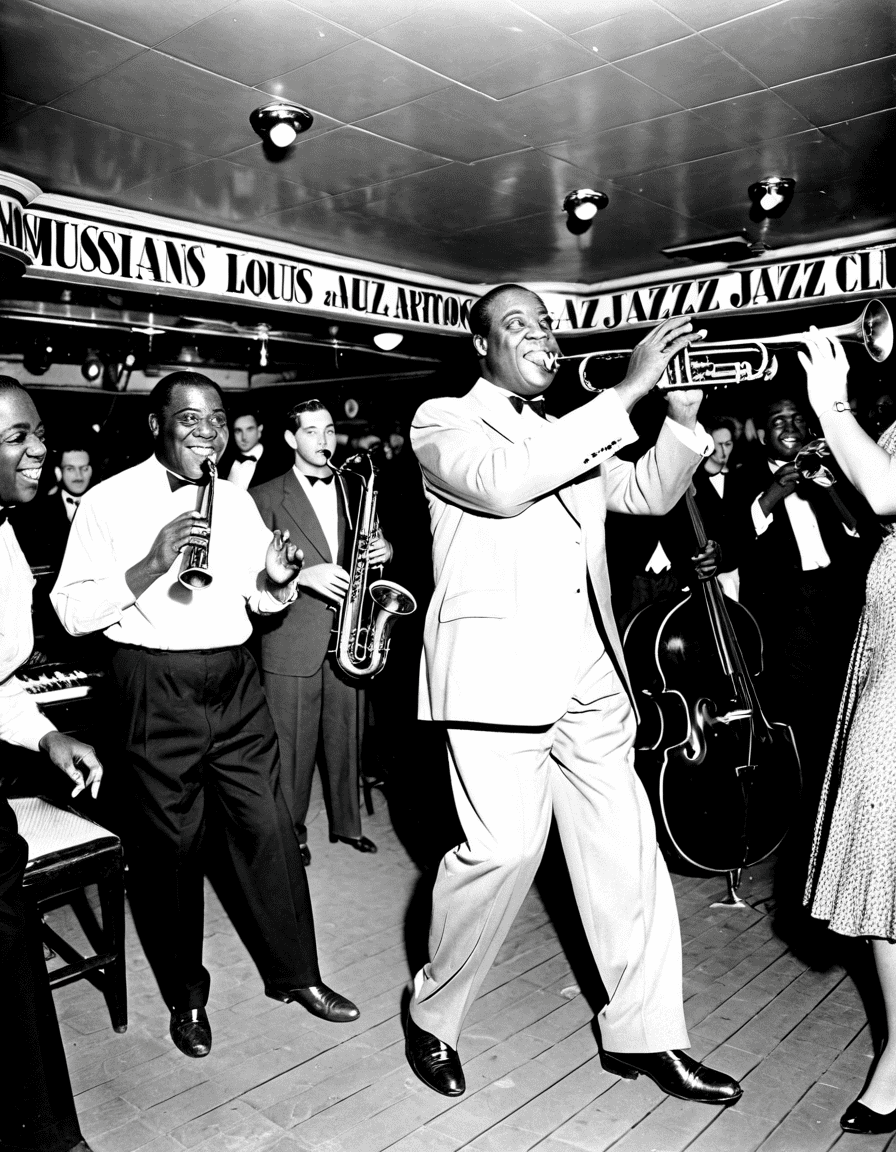
Collaboration is key in understanding Louis Armstrong’s impact on jazz and music as a whole. His partnerships with iconic musicians, like Duke Ellington and vocalists like Billie Holiday, produced timeless pieces that contributed to a rich jazz culture. One cannot discuss jazz collaboration without mentioning the magic found in albums such as “Ella and Basie!” or his projects with the Louis Armstrong All-Stars.
When he joined forces with Duke Ellington, they created exquisite pieces that showcased their respective styles while pushing the genre forward. Armstrong wore many hats; he was an innovator, a storyteller, and a bridge between different musical identities. Analyzing these collaborations reveals the depth and breadth of his influence on music.
Additionally, by collaborating with various artists, Armstrong enriched not just jazz, but music as a whole. This collaborative spirit allowed him to create a diverse soundscape that many still draw inspiration from today. His musical dialogues with peers continue to exhibit the importance of unity in artistry.
5. Louis Armstrong in the Modern Era: A Lasting Influence
Even in today’s music scene, Louis Armstrong’s work remains a cornerstone of jazz. Modern artists across hip-hop, R&B, and electronic music often borrow elements from Armstrong’s innovative improvisation techniques. His methods serve as a reference point for musicians who seek authentic expression in their work.
Programs teaching jazz often highlight Louis Armstrong‘s techniques, helping cultivate new generations of musicians. His improvisations and emotional depth in performance set a standard that many aspire to. Contemporary musicians, even in completely different genres, frequently cite Armstrong as a source of inspiration.
The understanding of jazz today has been heavily shaped by Armstrong’s foundational contributions. His timeless influence provides artists with a roadmap, encouraging creativity and spontaneity as essential aspects of musical expression. By connecting the past with present trends, Armstrong’s legacy seamlessly intertwines with today’s diverse music landscape.
Innovative Reverberations of Louis Armstrong’s Legacy
Louis Armstrong’s life and career exemplify the transformative power of music. By pushing boundaries and exploring emotional depths, he paved the way for countless artists to infuse their work with authenticity and cultural significance. The contemporary jazz landscape, robust with elements of rock, reggae, and R&B, pays homage to the indelible mark left by this extraordinary legend.
Armstrong’s ability to connect deeply with audiences through music remains a lasting testament to his genius. His legacy serves as a powerful reminder of jazz’s unifying force in our dynamic world. As we navigate the future of music, Louis Armstrong’s spirit will continue inspiring creativity, collaboration, and a profound appreciation for the ever-evolving world of art.
Through Armstrong, we witness the timeless art of jazz transcending boundaries and creating meaningful connections. Let’s celebrate his extraordinary journey and embrace the music that still speaks to us today.
Louis Armstrong: Trivia and Fun Facts
The Man Behind the Music
Louis Armstrong, often hailed as one of jazz’s greatest legends, had an extraordinary journey that was as colorful as his music. Did you know Louis was born in a poor neighborhood in New Orleans, known as Storyville? It’s fascinating to think this iconic musician emerged from such humble beginnings! A lover of adventure, he was practically like a character in “The Wizard Of Oz, discovering his own magical world through music. Speaking of cinematic journeys, Armstrong even appeared in several films, showcasing his talent on the big screen, much like Molly Ephraim later did in her own right.
Musical Innovations
Armstrong was a true innovator, pushing jazz forward with his unique style and charisma. His trumpet playing was so phenomenal that recordings of his performances still influence musicians today. In jazz circles, his work can be compared to how Poen redefined poetic storytelling, blending musical elements with heartfelt emotion. Interestingly, Armstrong also had a love for film and featured in several movies, paving the way for future singers and musicians to embrace the silver screen. Who wouldn’t want to see him jazzing it up alongside some of Hollywood’s big names?
Personal Life Surprises
Despite his musical fame, Armstrong’s life was full of personal twists and turns, resonating with the unpredictability of jazz itself. For instance, he had a sweet spot for the 33rd President of the United States, Harry Truman, famously stating that he would have given him a lesson or two on jazz if given the chance! And much like jazz, which can be enjoyed in a relaxing setting like the beautiful Peninsula, Armstrong’s life wasn’t all about trumpet solos and late-night gigs; he also had his struggles, making him all the more relatable.
So there you have it—Louis Armstrong wasn’t just a musician; he was a cultural icon whose life and work continue to inspire us all. Whether you’re stuck in a word hunt solver, jamming to his tunes, or reflecting on life like he did, there’s always something to learn from the extraordinary life of Louis Armstrong!