George W. Bush, the 43rd President of the United States, remains a polarizing figure in American politics. His time in office from 2001 to 2009 was characterized by monumental challenges and transformative policies, leaving behind a legacy steeped in both leadership and controversy. Raised in a political family as the son of George H.W. Bush, the 41st President, George W. Bush’s formative years significantly shaped his worldview. With his experiences at Yale and Harvard’s MBA program, he developed a business mindset that influenced key decisions during his presidency. But what led this Texas native to take bold, often contentious actions? Let’s dig deeper into the life and presidency of George W. Bush.
## George W. Bush: A Legacy of Leadership and Controversy
Born in 1946 in New Haven, Connecticut, George W. Bush was steeped in a legacy of leadership. His father, George H.W. Bush, had a long, storied career in politics and business, instilling values of hard work and public service from an early age. Growing up in a life of privilege, he was exposed to political discussions and international affairs that would later influence his policy decisions as a leader.
Attending Yale University, Bush further solidified his identity. His time at the Ivy League school was not without challenges. While he graduated with a Bachelor of Arts in history, there were whispers about his academic performance, leading to doubts about his capability. However, his pursuit of an MBA from Harvard set the stage for his future focus on economic policies. Learning to balance both public service and business principles, he paved the way for his leadership style and political ideology.
These experiences grounded Bush’s perspective as he ascended to political office. He eventually served as the Governor of Texas, where he implemented significant reforms, including education initiatives and welfare-to-work programs. Little did he know that these early years would become a prelude to the immensely demanding role he would soon step into as the leader of the free world.
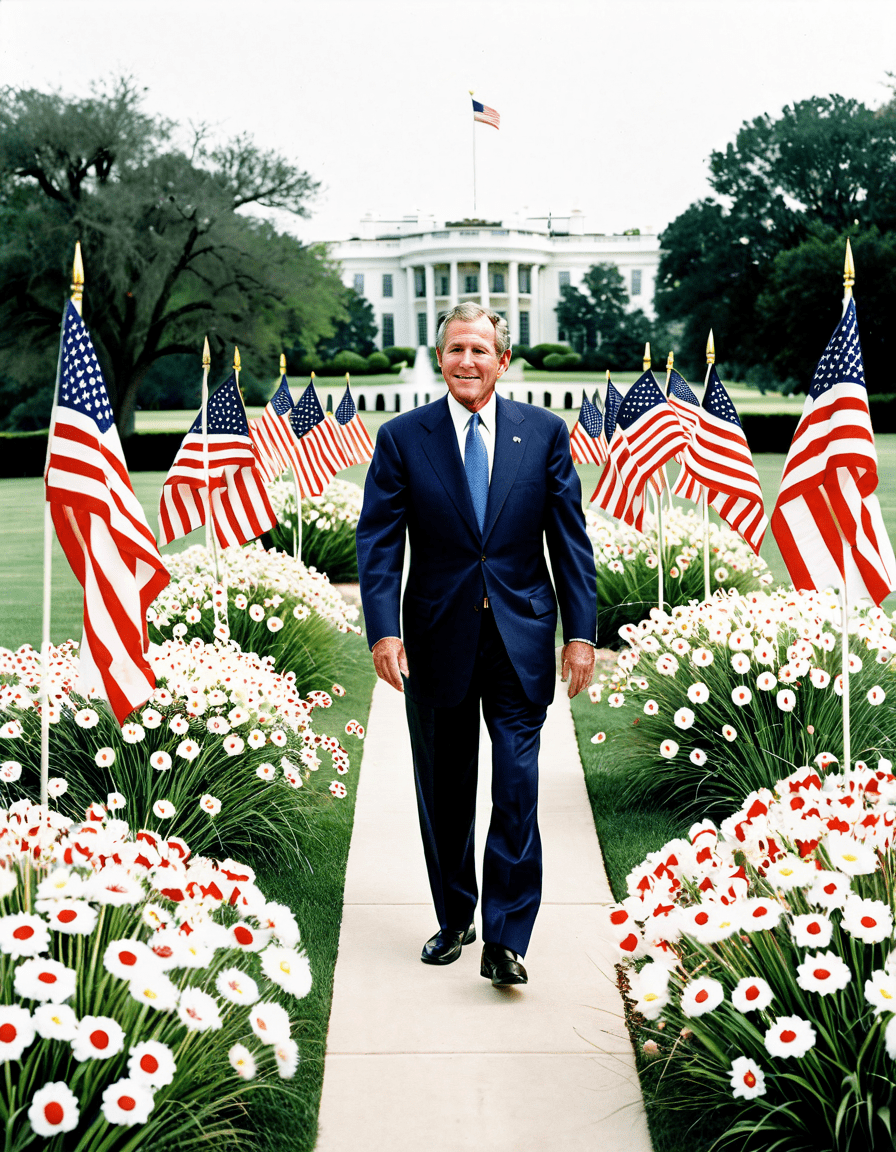
Top 5 Defining Moments of George W. Bush’s Presidency
George W. Bush’s presidency was marked by defining moments that stirred extensive debate and shaped his legacy. Here are five pivotal events:
Balancing Act: George W. Bush’s Domestic Policies
George W. Bush’s domestic policies reflected a blend of ambition and controversy. His “No Child Left Behind” Act intended to improve educational standards by emphasizing accountability. While it aimed at enhancing public education, it faced backlash for encouraging a one-size-fits-all mentality.
Alongside education reform, Bush focused on healthcare, pushing for Medicare prescription drug benefits. This initiative aimed to expand access to essential medications for seniors; however, critics raised alarms about spiraling federal spending and government overreach into personal healthcare choices.
Moreover, his tax cuts aimed to stimulate the economy and give relief to taxpayers, but this created a contentious dialogue about fiscal responsibility. With massive deficits emerging, many began questioning the sustainability of his economic strategy.
George W. Bush’s Foreign Policy: A Controversial Legacy
One of the defining features of George W. Bush’s presidency was his foreign policy, particularly the Bush Doctrine, which endorsed preemptive military strikes and promoted democracy worldwide. His vision aimed at transforming the Middle East was met with skepticism, especially pertaining to the inconsistencies between America’s democratic ideals and the actions taken on the ground.
The wars in Iraq and Afghanistan, sparked by the 9/11 attacks, were seen by many as necessary but also misguided. The goal of fostering democracy raised ethical concerns about intervention and the long-term stability of these regions. Critics noted that the rush to impose democratic systems often led to chaos and further conflict.
Furthermore, Bush’s approach drew attention to the balance of power in international relations. While attempting to strengthen alliances, tensions with countries like Russia and North Korea escalated, leaving a complicated legacy for his successor.
The Human Element: Personal Stories and Perspectives on George W. Bush
To truly appreciate George W. Bush’s leadership, one must consider the anecdotes that illustrate his character. He displayed resilience when navigating national tragedies, notably during 9/11. His commitment to supporting families of fallen soldiers—often seen at memorial services—showed a human side rarely captured in political discourse.
Bush’s relationship with Monica Goodling, a press aide, exemplified moments of personal connection in the midst of a turbulent presidency. Instead of distancing himself during crises, he often reached out to those affected, showing empathy that bolstered his leadership in troubled waters.
Additionally, accounts from members within his administration present a complex tapestry of a leader who could strike deals behind closed doors while also sharing genuine memories with everyday Americans. This blend of warmth and calculated decision-making contributed to the duality of his legacy.
Legacy: How History Will View George W. Bush
As time marches on, the assessment of George W. Bush’s presidency evolves. Historians and scholars debate his effectiveness in crisis management against a backdrop of emerging global challenges. With the passage of time, his decision-making processes during moments of high stress—like the 2008 financial crisis—will be scrutinized further.
Bush’s foreign policies, perceived as flawed in their execution, may reshape perceptions of U.S. interventionism. The long-term ramifications of these decisions will continue to fuel discussions on the balance between security and freedom.
What will historians ultimately conclude about George W. Bush? As with any leader, his legacy is multifaceted, and the complexities of governance he dealt with will undoubtedly resonate for generations to come.
Reflecting on the Legacy of George W. Bush
As we face contemporary global challenges, the presidency of George W. Bush compels us to examine the nature of governance and the meaning of leadership in a democratic society. His experiences remind us that decision-making often occurs under severe pressure, with long-lasting impacts on both domestic and international fronts. Issues like the balance between security and civil liberties, as well as ethical considerations in foreign policy, remain central to modern discussions.
Ultimately, George W. Bush’s duality as a leader—anchored by conviction yet marred by controversy—places him firmly in the annals of American history. His story invites ongoing dialogue about what it truly means to lead, navigate crises, and make decisions that shape the world. The intricacies of his presidency encourage us to reflect deeply on political legacy, resilience, and, above all, the pursuit of progress.
As we look ahead, let’s strive to learn from the past, hoping to create a more informed and united future.
Bush’s commitment to education and healthcare reforms sparked stormy debates, just like the passion found in the latest innovative technologies, offering lessons that can apply across the spectrum, reminding us of the nuanced interplay between influence and responsibility.
George W. Bush: A Legacy of Leadership and Controversy
The Unconventional Path
George W. Bush, the 43rd president of the United States, was quite a character, often blending charm with controversy. Beyond politics, did you know he once appeared as himself in Terminator 3? Talk about a plot twist! It’s fascinating how he was part of such a major pop culture moment, highlighting how figures in politics can intersect with film and entertainment. Speaking of cultural moments, his administration was marked by significant events like the 9/11 attacks, which shaped U.S. foreign policy for years to come.
A Presidential Playlist
Bush often used music to connect with people, and he’s known for his love of country music. One of his favorites was Toby Keith, famous for his patriotic anthems. While the music has resonated with many, there’s a bittersweet twist to the artist’s story that leaves fans curious about What Did Toby keith die From? This underscores how influential the music scene can be, sparking discussions far beyond the notes and lyrics. Interestingly, during his presidency, Bush also embraced a keen interest in sports, famously tossing a baseball during a World Series game, demonstrating his approachable side.
The Unexpected Connections
Bush’s tenure wasn’t without its peculiarities, revealing just how intertwined politics and culture can be. For instance, he once joked about his hidden skills, claiming he’d be a great fit for a murder mystery in a show like “Only Murders in the Building.” While he never starred in any episodes, it points to a lighthearted side most wouldn’t expect. Moreover, his presidency saw events that stirred various reactions, much like how viewers react to different performances in media — take “Get Out” for instance, where social commentary and storytelling collided, much like Bush’s own taxing leadership moments.
A Glimpse into Future Ventures
After his presidency, George W. Bush pivoted to various interests, including painting and writing. His art often features pets, a reminder of simpler times, and can be a catalyst for conversations on creativity post-office. Whether we look at his whimsical paintings or engaging in topics like Antonio Melani fashion choices, it’s clear his life remains an open book. Interestingly enough, his painting style reflects a more personal narrative, shedding light on the man behind the political figure. And as time progresses, fans are eager to see what his legacy will ultimately look like, much like following a season finale for our favorite TV shows, making it an ongoing story worth exploring.