Franklin D. Roosevelt (FDR) stands as a towering figure in American history, particularly when facing adversity. Stepping into the presidency during the dire circumstances of the Great Depression, FDR became synonymous with bold leadership. His unique approach combined pragmatism and empathy, fostering a genuine bond with the American people. The innovative use of his Fireside Chats not only reassured citizens but also shaped an era of hope and change. In these talks, he didn’t merely address pressing issues; he connected with individuals in their living rooms, helping them feel seen and heard in times of despair.
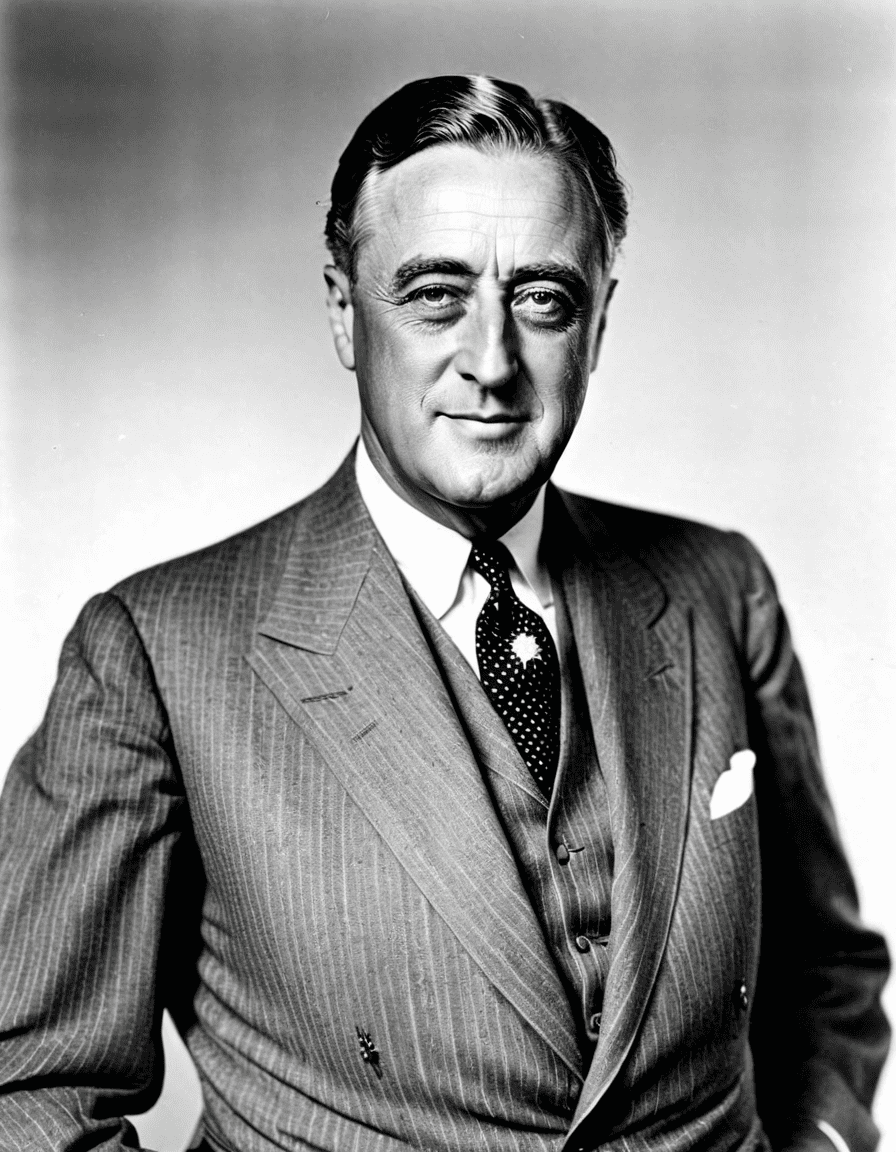
Understanding Franklin D. Roosevelt’s Leadership Style
FDR’s leadership style emerged from his deep understanding of the average American. He had a knack for breaking down complex issues into relatable terms. During the Great Depression, he recognized the need to restore faith in government. His New Deal programs were ambitious and transformative, focusing on direct relief and social welfare. People often liken his commitment to social safety nets to later efforts by leaders like Ronald Reagan, who balanced economic focus with social reforms in the 1980s.
Moreover, Roosevelt’s empathy wasn’t limited to speeches and policies. He famously listened to Americans’ stories, ensuring his decisions were grounded in reality. This connection was fundamental during World War II as well, where his strategic decisions, like the Lend-Lease Act, were driven by a profound understanding of global ramifications. His willingness to adapt to the changing tides of public opinion and the world stage made him a remarkable leader.
Whether it was a Fireside Chat or a decisive war strategy, FDR showcased an exceptional ability to align his vision with the voices of the people. This human touch not only elevated his presidency but also set a precedent for future leaders, emphasizing the importance of empathy in governance.
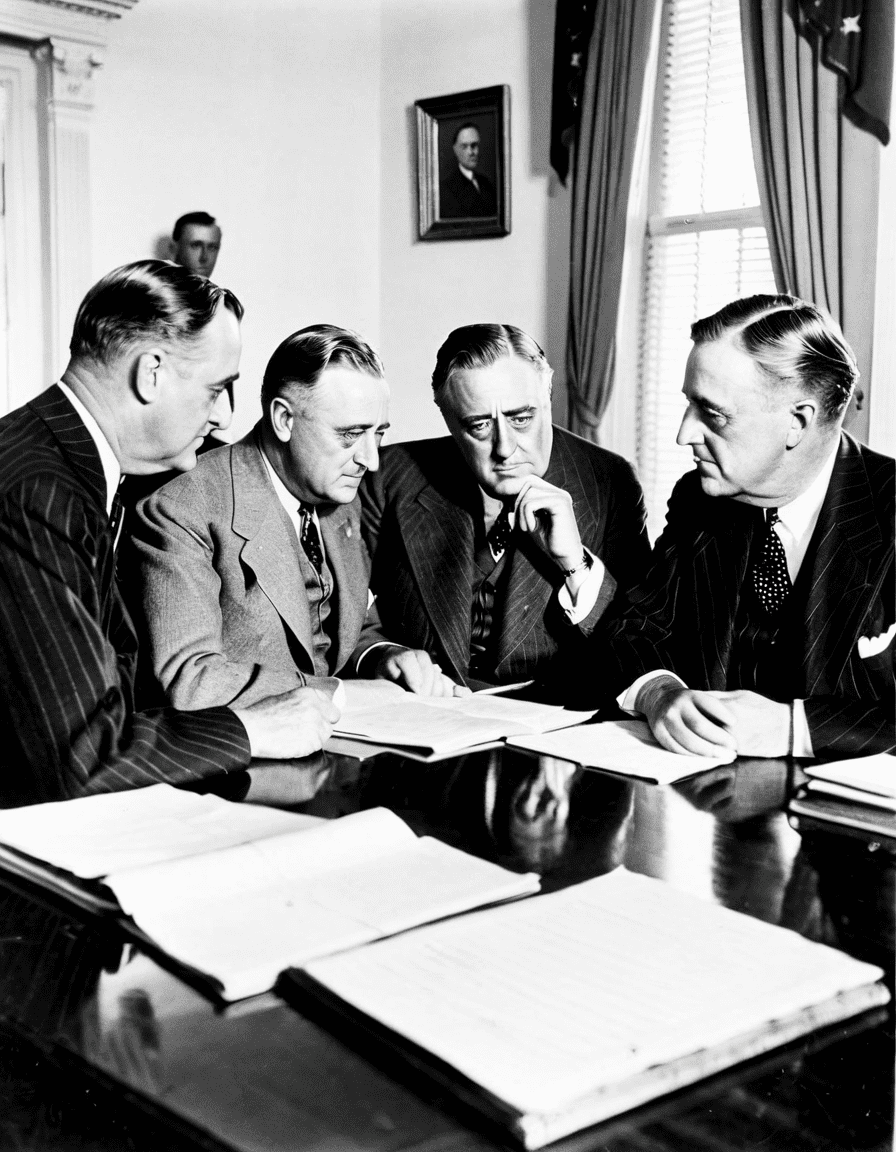
Top 5 Crisis Moments in FDR’s Presidency
Roosevelt assumed office amid one of the worst economic downturns in history. His New Deal wasn’t just a collection of policies; it was a lifeline for millions. As people lost jobs and homes, FDR’s initiatives aimed to restore faith in the government and provide immediate relief. These efforts mirrored later social reforms that modern politicians, including Reagan, would attempt to address.
FDR’s leadership took on a pivotal role during World War II. His decision to support allies like Winston Churchill’s Britain through the Lend-Lease Act illustrated his foresight. By acknowledging the need to prepare for conflict, he helped shape strategies that would lead to victory for the Allies. Supporting scientific advancements like the Manhattan Project further showcased his understanding of innovation as a strategic asset, much like military leaders such as Dwight D. Eisenhower later emphasized.
One of Roosevelt’s most enduring legacies is the Social Security Act, designed to provide a safety net for the elderly and unemployed. This act can be seen as a precursor to welfare reforms that future leaders would grapple with, allowing people to view the government as a critical ally in their times of need.
Addressing the widespread bank failures of the time, FDR established the Federal Deposit Insurance Corporation (FDIC). This action was crucial in stabilizing the banking system and restoring public confidence. His initiatives resonate today, akin to modern corporate risk management strategies that prioritize consumer trust and financial security.
Roosevelt’s Four Freedoms speech was a visionary moment, defining his hopes for a post-war world centered around freedom of speech, freedom of worship, freedom from want, and freedom from fear. This vision laid the groundwork for America’s role in establishing the United Nations, reflecting humanitarian principles that resonate in policies adopted by leaders long after him, including the efforts of Eisenhower during the Cold War.
The Influence of FDR’s Policies on Future Leaders
FDR’s commitment to innovative leadership has left an indelible mark on those who followed. His empathetic communication, particularly visible in his Fireside Chats, became a model for politicians like Ronald Reagan, who adeptly harnessed media engagement to connect with Americans on a personal level. Furthermore, Dwight D. Eisenhower’s balanced approach in the face of international crises drew inspiration from Roosevelt’s strategic routines.
The significance of Roosevelt’s policies and style became evident in later years. Politicians recognized the need for empathy and social responsibility in governance. The way he shaped American socio-economic policies influenced successors who had to navigate their own turbulent eras. FDR established a blueprint that modern leaders still reference when strategizing about public welfare and communications.
Comparing Leadership Styles: FDR and His Contemporaries
While FDR focused on direct engagement and immediate solutions, leaders like Dwight D. Eisenhower prioritized coalition-building. Eisenhower’s approach relied heavily on diplomacy post-WWII, contrasting Roosevelt’s more personal and direct involvement with international and domestic dilemmas.
FDR’s knack for stirring the populace’s emotions stood in stark contrast to Eisenhower’s measured and diplomatic style. While Eisenhower advocated for collective security and partnerships, Roosevelt’s policies leaned towards comprehensive and direct frameworks for change, showcasing different paths to leadership effectiveness.
Legacy and Lasting Impact
FDR’s belief in the government’s role as a catalyst for social change is groundbreaking. His initiatives have permeated the very fabric of American society, influencing global policies as well. The foundational aspects of his leadership continue to resonate, serving as a source of inspiration for modern leaders wrestling with crises.
As we venture through contemporary challenges, his ability to blend empathy with strategic action offers invaluable lessons. Just as he did, today’s leaders must navigate public sentiment while addressing urgent issues, reminding us of the necessity of adaptable, empathetic leadership.
Navigating Through Times of Turmoil with FDR’s Influence
Franklin D. Roosevelt’s bold leadership during periods of profound uncertainty has left a powerful legacy on governance, both in the United States and around the world. His adaptability, insightful communication, and focus on welfare served as guiding principles for future leaders. In a digital age where crises arise swiftly, revisiting FDR’s strategies provides a roadmap for resilience and diplomacy. In recognizing the value of public trust and the spirit of upliftment, we honor a legacy that beckons today’s leaders to adopt a holistic approach centered on the welfare of their citizens.
Franklin D. Roosevelt paved the way for a government that aims to support its citizens. His legacy is a testament to how a leader can resonate with the collective spirit of a nation, turning challenges into opportunities for growth. Let’s embrace his lessons in boldness, empathy, and the true essence of leadership.
Franklin D Roosevelt: A Bold Leader During Crisis
Fun Trivia About Franklin D Roosevelt
Did you know that Franklin D Roosevelt was a distant cousin of Theodore Roosevelt? They shared a family tree that extended back to Dutch settlers. Talk about keeping it in the family! This connection seemed to lay the groundwork for FDR’s bold leadership style, which became vital during the trying times of the Great Depression and World War II. Speaking of connections, in the entertainment world, we’ve got plenty of supporting stars too; consider actors like Darren Barnet, who’s making waves in Hollywood today, much like FDR did back in the day.
FDR wasn’t just about politics; he had a keen passion for art and culture. He was an avid fan of movies and often catch flicks at the White House, including comedies and dramas alike. Imagine him unwinding after a long day with a classic film, perhaps even chuckling his way through a family favorite like Shrek 4. When it came to his personal style, some might say he took inspiration from uniquely talented individuals in the arts, with scriptwriters like Diablo Cody steering Hollywood into new territories.
As the Governor Of New york before taking office as president, FDR understood the value of hard work and dedication. He diversified his initiatives, embracing innovative programs aimed at economic recovery. And you know, that reminds me of how modern figures like Travis Tritt and Tobin Anderson embody similar dedication in their respective fields — music and sports — always pushing forward despite challenges. It’s fascinating how leadership traits can transcend generations and industries, isn’t it?
FDR’s legacy is full of remarkable moments and achievements, much like the excitement of the upcoming Academy Awards 2025, slated to celebrate contemporary achievements in film. He navigated a country through tough waters, showing that boldness can come with courage and resilience. Meanwhile, in the world of sports, figures like Bill Walton also exemplified these values with their steadfast determination on and off the court, showcasing that bravery can come in many forms. So, while FDR’s era was decades ago, his influence lingers, inspiring countless individuals to stand tall in the face of adversity.