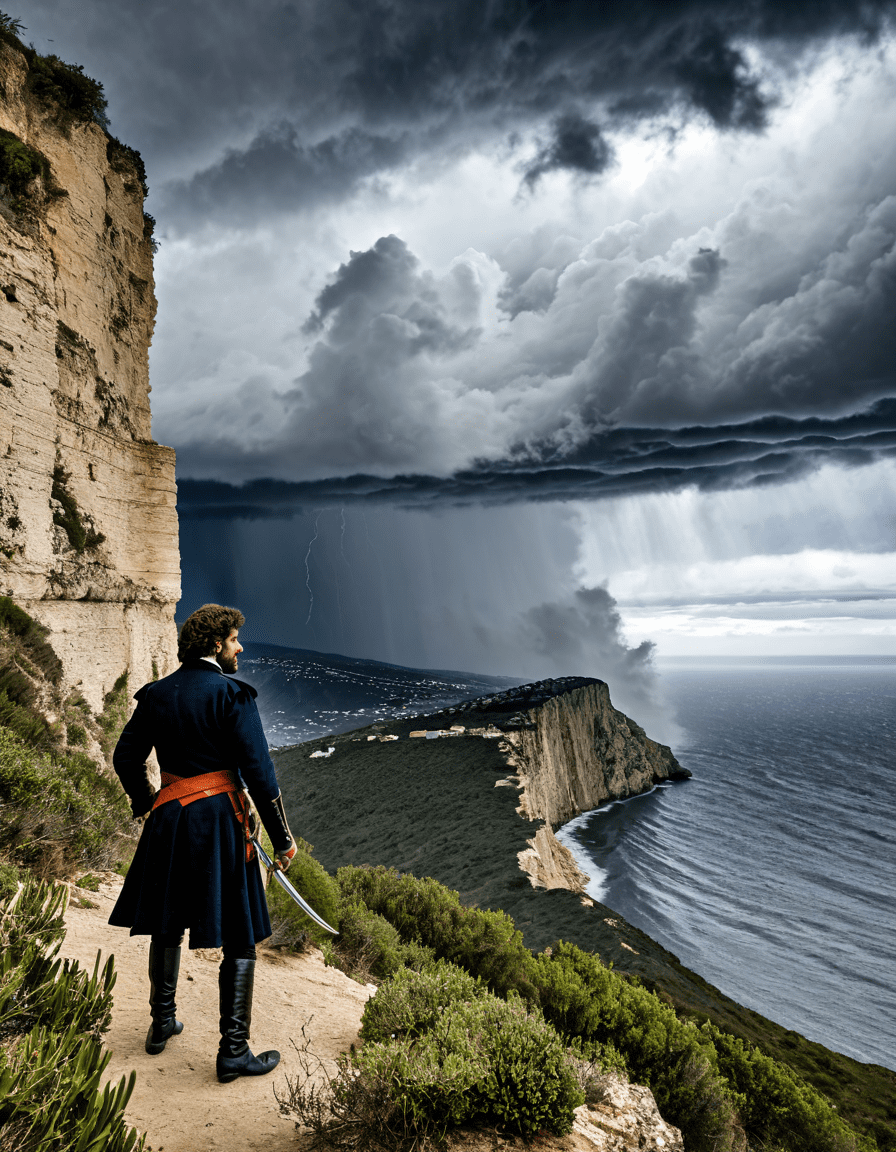
The allure of The Count of Monte Cristo has captivated readers and audiences for generations. This masterpiece by Alexandre Dumas weaves a thrilling story of betrayal, transformation, and, of course, revenge. It’s not just an action-packed narrative; it invites readers to reflect on deep themes of justice and the human condition that resonate just as much today as they did in the 19th century. In our fast-paced world of technology and constant change, diving into the layers of this iconic tale reveals conditions we still grapple with—after all, who hasn’t felt the sting of betrayal or the flicker of revenge at some point?
This article will explore the Count of Monte Cristo and its rich themes, paving the way for understanding why its story remains relevant. We’ll also highlight its modern adaptations that keep the timeless narrative fresh for new generations. So buckle up; let’s embark on this journey through Dumas’s world!
Top 7 Themes in the Count of Monte Cristo That Resonate Today
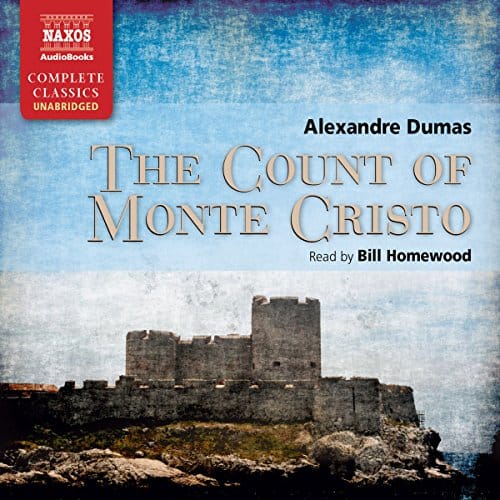
1. Betrayal and Forgiveness
“The Count of Monte Cristo” opens with our protagonist, Edmond Dantès, feeling the bitter bite of betrayal from those he once trusted. This theme strikes a chord in today’s society, where loyalty comes into question daily—just look at the fallout from scandals like Theranos. Elizabeth Holmes, once a darling of Silicon Valley, learned too late that deception breeds resentment. The narrative pushes us to ponder whether revenge is the only response to betrayal or if there’s room for forgiveness.
2. The Transformative Power of Knowledge
Dantès transforms from an innocent sailor into the wealthy Count through his quest for knowledge while imprisoned in the Château d’If. His journey mirrors that of modern figures like Malala Yousafzai, who used education to fight against oppression. Today, knowledge remains a powerful tool, whether it’s learning new tech skills or advocating for social change. Dumas’s tale reminds us that education can empower individuals to rise from adversity and fight for their truths.
3. Wealth and Its Moral Implications
Dantès’s newfound wealth is both a blessing and a curse. His riches facilitate his revenge but raise essential questions about the ethical implications of wealth distribution. In the modern economic landscape, public figures like Elon Musk face scrutiny regarding their immense fortunes. As we grapple with income inequality and the social responsibilities of the affluent, this theme from The Count of Monte Cristo encourages us to reflect on how we view wealth in society today.
4. Identity and Self-Discovery
Dantès’s metamorphosis into the Count of Monte Cristo isn’t just about revenge; it’s about identity. Much like Caitlyn Jenner, who transitioned publicly, Dantès forges a new persona to overcome his past. The tale pushes readers to consider how identity is more than skin deep—it’s often a battle against societal norms and expectations.
5. Justice and Retribution
Justice is a complex theme in Dumas’s work, often straddling the line between what is fair and what is vengeful. The narrative pushes the envelope by making readers question the nature of justice itself. Modern issues in the criminal justice system, such as those showcased in “When They See Us” on Netflix, highlight how justice can be both served and distorted. Dumas’s story compels us to examine whether retribution can ever be morally justified.
6. Isolation and Redemption
Dantès’s imprisonment leads him down a path of deep introspection, isolation, and ultimately redemption. During the COVID-19 pandemic, many experienced their form of isolation, finding themselves in need of redemption from mental struggles. Figures like Naomi Osaka publicly shared their mental health journeys, proving that even in isolation, paths to redemption exist. Just as Dantès found strength in solitude, so too can we.
7. The Role of Fate in Shaping Destiny
Fate plays an integral role in Dumas’s narrative, emphasizing how life’s unpredictability can forge our paths. Consider the sudden death of Steve Jobs, which rocked the tech world and left many reflecting on their life’s impact. This theme serves as a poignant reminder of how little control we truly have over our destinies and the importance of making the most of every moment.
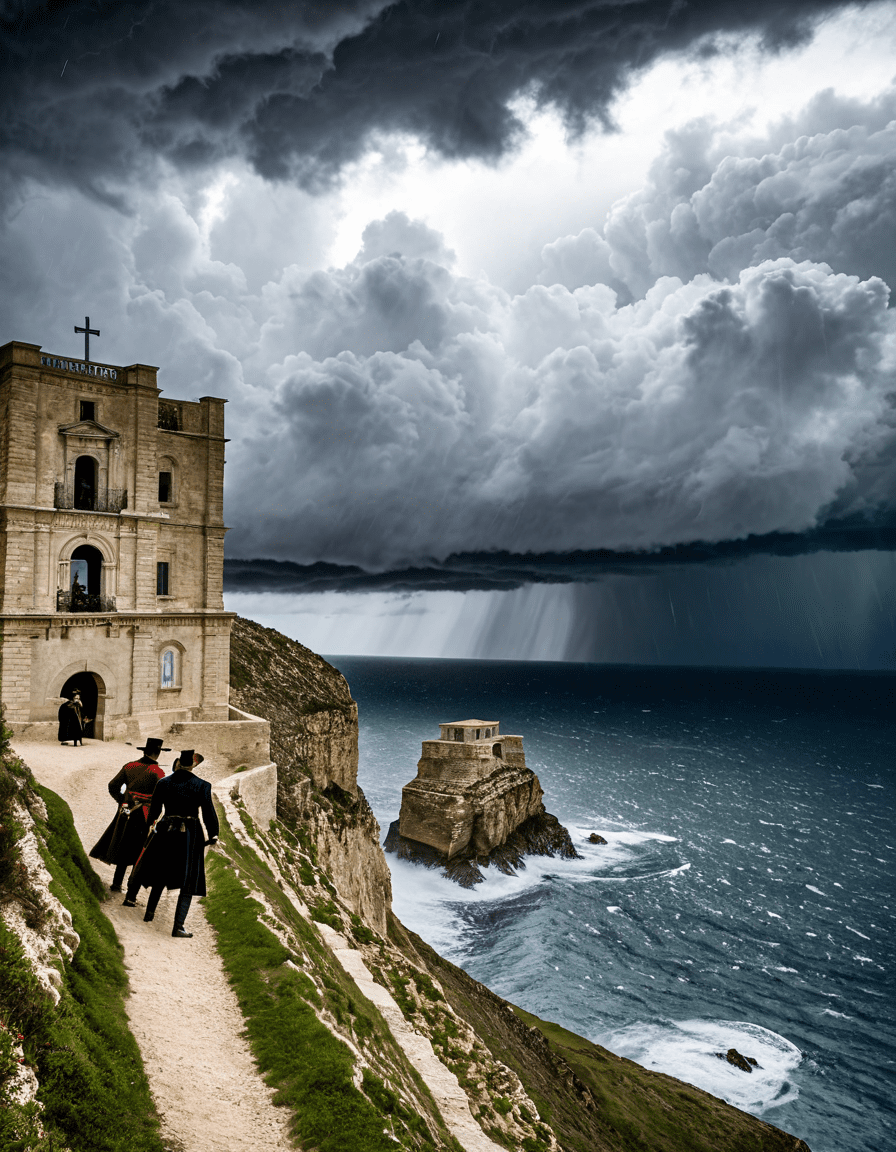
Adaptations of the Count of Monte Cristo in Popular Culture
Shifting beyond the original text, The Count of Monte Cristo has inspired a treasure trove of adaptations across various media. Each version offers a unique lens through which to explore Dumas’s underlying themes, bringing them to life in fresh ways.
1. Film Adaptations
The 2002 film adaptation starring Jim Caviezel introduced a new generation to Dantès’s story, blending action with the classic narrative. With thrilling fight sequences and dramatic visuals, it keeps audiences on the edge of their seats while still exploring deep themes of revenge and transformation.
2. Television Series
The French TV series Monte Cristo cleverly reimagines Dantès’s story for modern audiences. It delves into the intricacies of revenge while drawing parallels to contemporary issues, showing viewers that even in a different era, the themes resonate.
3. Graphic Novels
Graphic novels like “The Count of Monte Cristo: The Graphic Novel” provide a modern twist on Dumas’s narrative. Rich illustrations breathe new life into the story, making it accessible for younger readers while retaining emotional depth and the thematic heart of the original tale.
4. Literary Retellings
Books such as “The Prisoner of Heaven” by Carlos Ruiz Zafón deepen the connection to Dumas’s narrative, creating a triangular relationship between past and present influences. These retellings keep the spirit of revenge alive, echoing with the weight of forgiveness and redemption.
5. Stage Productions
In recent years, theatrical adaptations like “The Count of Monte Cristo: A New Musical” have delighted audiences with a fresh interpretation of Dumas’s work. The catchy music and powerful performances evoke the emotional core of the original story while breathing new life into it.
6. Video Games and Interactive Media
The story has also made its way into the gaming world with titles like “The Count of Monte Cristo: The Game.” This interactive experience allows players to immerse themselves in Dantès’ world, engaging them in strategic elements of vengeance and justice in a multi-faceted environment.
7. Pop Culture References
As a lasting influence, numerous contemporary shows and films, like “Game of Thrones” and “John Wick,” draw elements from Dumas’s themes of betrayal and retribution, illustrating how the story continues to inspire modern storytelling.
Reflecting on these discussions and adaptations reveals that The Count of Monte Cristo is much more than a tale of revenge; it serves as a reflection of our shared human experience. As themes of betrayal, redemption, and identity permeate today’s culture, Dumas’s masterpiece breathes relevance into our struggles and triumphs, inviting us to confront our narratives in a world that never stops moving.
We would do well to read the lessons from Dantès’s journey, finding strength and resilience that can carry us through the complex joys and sorrows of our lives. Embrace the story, its lessons, and perhaps even its Shade, for in The Count of Monte Cristo, we learn that the pursuit of truth and justice never truly fades.
Count of Monte Cristo: Fun Trivia and Interesting Facts
The Legacy of Dumas
Did you know that the tale of Count of Monte Cristo is based on a real-life story? Alexandre Dumas was inspired by the events surrounding the wrongful imprisonment of his predecessor, Pierre Picaud. After serving time, Picaud returned home, seeking revenge, just like the clever protagonist in Dumas’s narrative. This tale of betrayal inspired the film adaptations over the years, some of which have featured actors as diverse as Barry Keoghan, whose artistic range can be traced in his impressive Filmography. The gripping storyline captures the imagination, much like the thrill of watching a high-stakes game with the iconic Washington Redskins logo emblazoned on fans’ jerseys.
Story Beyond the Pages
Here’s a fun twist: when Count of Monte Cristo was first published in 1844, it was serialized in a magazine, which was the norm for many famous works at the time. Serialization allowed readers to become fully engrossed in the drama, eagerly anticipating each installment – a bit like the excitement surrounding movies such as Breaking Dawn part 2, where fans cherished every plot twist. It’s also intriguing to note that the book has been adapted into various films and miniseries, echoing the same themes of vengeance and redemption. With such a rich backdrop, it’s no surprise that this story continues enchanting audiences around the globe.
Cultural Impact
Beyond literature, Count of Monte Cristo has inspired various forms of media, from stage adaptations to video games. Even modern pop culture nods to Dumas’s classic, as seen in various references across platforms. Take Cactus Jack, for example, who famously alluded to themes of betrayal and retribution in his work, reminiscent of Edmond Dantès’s plight. And while you’re diving into the history, researchers have also found parallels between the story and contemporary themes in films like Nosferatu The, blending genres in unexpected ways.
Whether you’re kicking back with a great book or catching a flight with a handy tool like the Seatac Spot Saver, the Count of Monte Cristo remains a timeless tale that has woven its way into the fabric of both literature and popular culture.