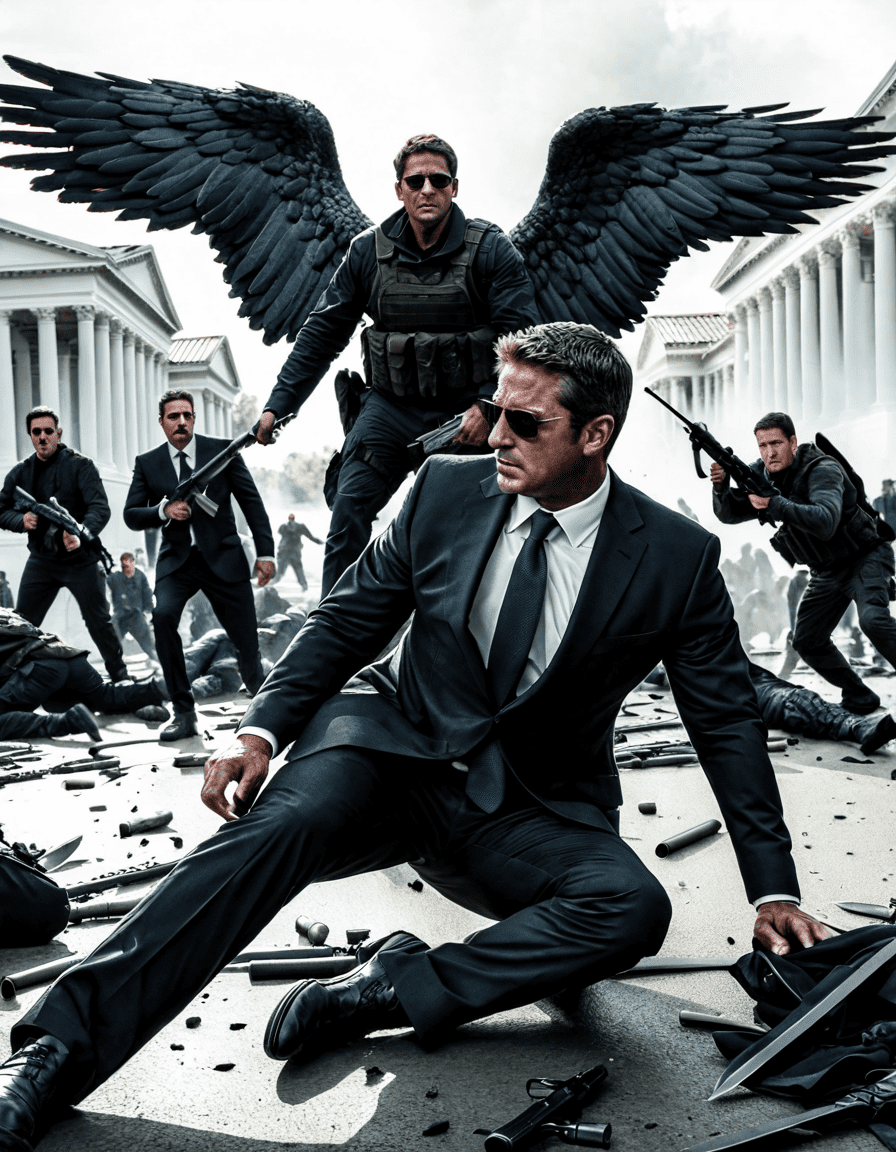
The third installment in the “Has Fallen” series—Angel Has Fallen—is more than just a high-octane action flick; it dives deep into the murky waters of loyalty and betrayal. Released in 2019, this gripping tale tells the story of Mike Banning, who faces tumultuous conflicts that risk everything he holds dear. In a time when our own world seems to revolve around themes of loyalty—be it in politics, friendships, or family ties—Angel Has Fallen becomes even more relevant. Let’s explore the seven pivotal themes that define this film and examine why they continue to resonate with audiences across the globe.

1. The Cost of Loyalty in the Face of Conflict
Loyalty often comes at a price. In Angel Has Fallen, Mike Banning finds himself torn between loyalty to his country and the moral dilemmas that arise during crises. His experiences remind us of characters in classics like Gone with the Wind, where loyalty often falters in the wake of personal beliefs. Banning’s journey sheds light on the sacrifices that people make, raising questions about whether loyalty to one’s country overrides personal ethics.
The film doesn’t shy away from illustrating how loyalty can lead to devastating outcomes. Banning’s commitment not only affects him but also impacts his loved ones and his nation’s security. The cost of loyalty, in this case, is steep, and understanding it can help us navigate our own lives amid adversity.
2. The Duality of Trust: Allies or Betrayers?
Trust is a double-edged sword in Angel Has Fallen. Characters that might seem entirely loyal can quickly flip the script, revealing hidden agendas. This pattern mirrors the stunning plot twists present in Olympus Has Fallen, highlighting a bitter truth: some who are close may harbor treacherous intentions. This resonates powerfully within modern politics. Figures we place our trust in often navigate dual loyalties, blurring lines between true allegiance and self-interest.
In our current socio-political climate rife with betrayal, this theme speaks volumes. Banning’s realization of who he can and cannot trust serves as a reminder of how betrayal can lurk around any corner, forcing viewers to challenge their perceptions of loyalty in their own lives.
3. The Impact of Political Corruption
Watching Angel Has Fallen, one cannot ignore the film’s commentary on political corruption. As Banning battles not just external enemies but also those within, it raises alarms about the hidden dangers posed by unscrupulous leaders. The stark parallels to real-life political scandals serve as a wake-up call; just as in events that have rocked nations, betrayal can come from the very people sworn to protect us.
The film acts as a cautionary tale, illustrating how corruption can irreparably alter the course of national security. The weight of such betrayal raises critical questions for the audience: How do we combat corruption in our own political systems?
4. Sacrifice for the Greater Good: A Hero’s Burden
Mike Banning’s character embodies the essence of sacrifice. Navigating his role—both as a protector and a family man—he constantly faces monumental decisions. His choices echo the sacrifices made by characters like Mel Gibson’s William Wallace in Braveheart, where the notion of sacrifice underscores loyalty amid chaos.
The film asks viewers to consider: What does it mean to sacrifice for the greater good? The burden can weigh heavily, forcing individuals to wrestle with their values and the consequences of their actions. This moral struggle shines a light on the often underappreciated sacrifices made by those in positions of power.
5. Family versus Duty: A Balancing Act
Angel Has Fallen deftly portrays the timeless conflict between family and duty. As Banning puts his life on the line, the film underscores how one’s commitment to protecting family can conflict dramatically with professional obligations. This strain is akin to the intricate family dynamics seen in Gone with the Wind, where personal responsibilities interlace with public duties.
This theme resonates with anyone who has wrestled with familial loyalty against their duty to serve. It highlights the sacrifices made by individuals trying to strike a balance between competing loyalties, reminding us all that these dilemmas are an essential part of the human experience.
6. The Role of Technology in Warfare and Loyalty
Modern warfare is drastically different from what it once was, and Angel Has Fallen expertly navigates this new frontier. With evolving technology like drones and cyber warfare, the battlefield has shifted, complicating the concept of loyalty. Discussions about privacy and ethical warfare are more pressing than ever, drawing parallels to how technology impacts national security.
This depiction prompts critical dialogues about government oversight and personal freedoms. In an age where surveillance and online interactions define much of our lives, the film’s exploration provides food for thought about where loyalty begins and ends.
7. Redemption and Forgiveness: Healing After Betrayal
At its core, Angel Has Fallen delves into the themes of redemption and forgiveness. Following acts of betrayal, the film contemplates whether it’s truly possible to rebuild trust. As Banning confronts his challenges, the narrative encourages viewers to think critically about their own relationships.
The emotional journeys mirror literary legends like Gone with the Wind, showcasing the transformative power of forgiveness. Even in tumultuous times, healing can occur, and it invites audiences to reflect on the steps necessary to mend fractured bonds.
The Lasting Legacy of ‘Angel Has Fallen’
Angel Has Fallen successfully intertwines gripping action with substantial social commentary on loyalty and betrayal, making it a truly compelling film. As we continue to navigate our complexities in society, the lessons depicted in this narrative hold significant weight. By blending action with character depth, this film not only entertains but offers a thoughtful examination of loyalty in an age fraught with betrayal.
As we reflect on the challenges posed by political corruption, the costs of loyalty, and the struggle for redemption, we find that Angel Has Fallen remains deeply relevant. The film urges us to reconnect with genuine values amidst uncertainty, showcasing that, in many ways, our quest for loyalty and truth becomes more vital with each passing day.
For those interested in exploring more about the themes and narratives woven throughout this film, don’t miss out on additional content on movies featuring compelling storytelling and character depth, like The Zone Of Interest and Do N’t Move, or engage with the cultural phenomenon surrounding Love Island Season 10 and delve into diverse filmographies, including Fairuza Balk Movies and Movies With Alicia vikander. For a deeper understanding of the current socio-political narrative, following figures like Joseph Bradehoft and the strong influences of personalities like Landon Dickerson can broaden your insights as you navigate today’s complex landscape, just as we find solace and humor through Big Cat Twitter and the nostalgic remains of the Glee Cast.
Fascinating Trivia About Angel Has Fallen
A Glimpse Behind the Scenes
Did you know that “Angel Has Fallen” is the third installment in the “Fallen” series? Yeah, that’s right! It follows “Olympus Has Fallen” and “London Has Fallen,” adding more layers to the gripping storyline. The film surprisingly skyrocketed to sky-high box office success, raking in over $147 million worldwide. Who would’ve thought Gerard Butler could reignite the magic of action thrillers? The adrenaline-pumping sequences are often choreographed to perfection, with Butler doing many of his own stunts — talk about commitment! If you’re interested in the director’s vision for the film, you can dive into how the action unfolds in https://screenrant.com/angel-has-fallen-inspiration-theme/ alt=”the film’s inspiration for its themes”>this exploration.
The Cast and Their Journey
Let’s not forget the stellar cast! Morgan Freeman, of course, reprises his role as the President, while the fierce aspect of the story delves into loyalty and betrayal among friends. The dynamic between Butler’s character and Freeman adds depth that keeps audiences on edge. Fun fact: the film showcases Washington’s iconic landmarks, with many scenes shot at real government buildings and sites. This level of authenticity lets fans feel as if they’re right in the mix of the action. There’s also a behind-the-scenes look at the powerful themes explored in the series — check it out in https://www.hollywoodreporter.com/movies/movie-features/angel-has-fallen-spotlight-closer-look-movie-1239166/ alt=”a deeper look into the series themes”>this in-depth look.
The Legacy of ‘Angel Has Fallen’
As the plot thickens and unfolds, “Angel Has Fallen” emphasizes the importance of trust and understanding. Did you know that the film was produced by Butler himself? Talk about wearing multiple hats! Plus, many fans appreciate how this trilogy has reinvigorated the action genre in recent years. Its blend of heart-stopping moments and emotional story arcs is a recipe for success! If you’re curious about how the film aligns with real-life presidential security protocols, you’ll find some intriguing insights in https://www.popularmechanics.com/culture/movies/a29201669/security-angel-has-fallen-real-life/ alt=”the real-life inspiration behind the movie’s security elements”>this article. So, buckle up for another thrill ride as “Angel Has Fallen” delivers punches from both action and storytelling perspectives!