Exploring the Evolution of American Horror Stories
American horror stories have undergone a remarkable transformation, evolving from eerie folklore to the pivotal anthology series known as “American Horror Story.” Debuting in 2011, this show quickly captured the attention and imaginations of viewers, making its mark on popular culture. Created by Ryan Murphy and Brad Falchuk, “American Horror Story” serves as a bold narrative canvas that explores the intersection of reality, history, and the supernatural. Each season unveils new themes and chilling tales, highlighting the ever-changing landscape of what horror means in modern society.
The series not only taps into deeply rooted cultural anxieties but also reflects societal issues that resonate widely. It showcases a myriad of characters whose life experiences—often fraught with tragedy, oppression, and mystery—unravel before our eyes. The artistry behind “American Horror Story” lies in its ability to juxtapose real-world horrors with fantastical elements, proving that chilling secrets can take many forms. As we peel back the layers of these engaging tales, it opens the door to understanding the complex narratives underpinning American horror stories.
So, what makes “American Horror Story” resonate with so many? In addition to riveting plotlines, the show employs theatricality, dark humor, and profound social commentary. It anchors itself in vibrant characters, tearing down the facade of normalcy to expose the lurking shadows of our everyday lives. This rich tapestry of horror keeps fans coming back season after season, drawn into the haunting depths of the human experience.
Top 7 Creepiest Themes in American Horror Story Seasons
“American Horror Story” is famed for its unsettling themes that blend reality with supernatural elements. Each of the series’ seasons dives deep into the psychology of fear and societal norms. Let’s take a look at the top seven themes explored throughout the seasons:
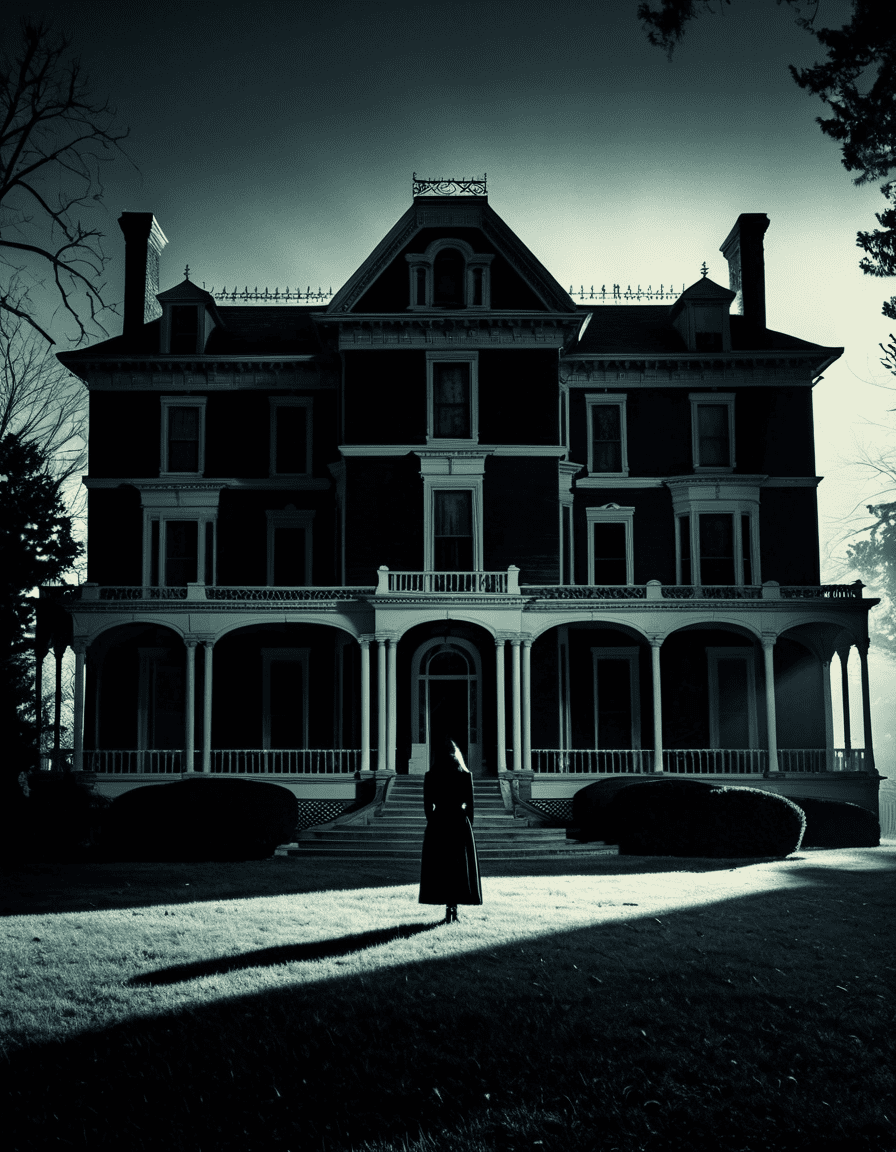
The journey begins with “Murder House,” where the haunted lives of the Mantle family unravel in a home imbued with dark historical secrets. Themes of guilt, infidelity, and the inescapable grip of the past permeate this season. Starring Connie Britton and Dylan McDermott, “Murder House” sets the stage for the entire series, showcasing how trauma can linger hauntingly.
“Asylum,” set in a 1960s mental institution, introduces viewers to the terrifying realities surrounding sanity, institutional abuse, and psychosis. Jessica Lange’s haunting performance alongside Sarah Paulson grounds the narrative in the chilling experiences of the patients. The season’s commentary on mental health raises awareness while evoking an emotional response from viewers.
With “Coven,” the series takes a captivating turn towards witches, blending feminism and power dynamics in contemporary society. Characters such as those portrayed by Kathy Bates and Angela Bassett exemplify the rivalry and camaraderie, embodying the complexities of female empowerment. The incorporation of voodoo magic adds depth, allowing for diverse interpretations of witchcraft and female agency.
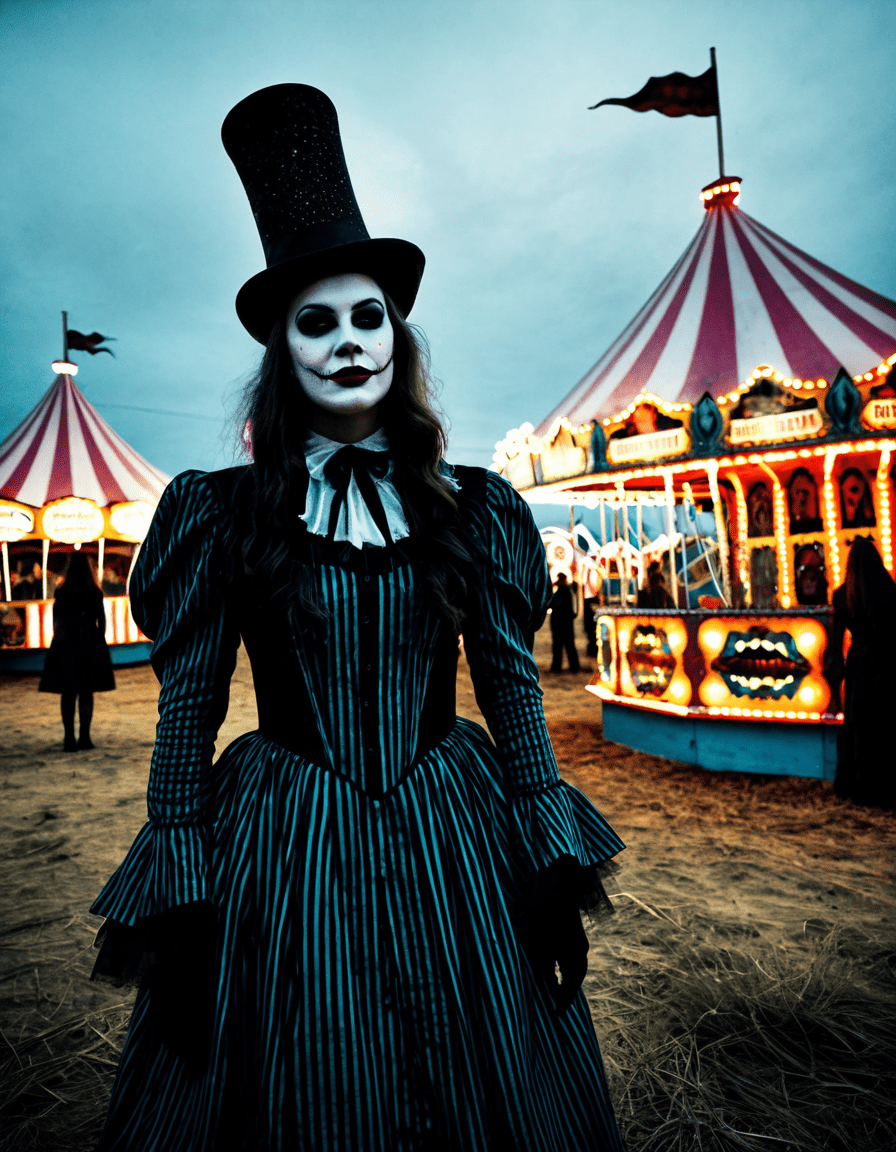
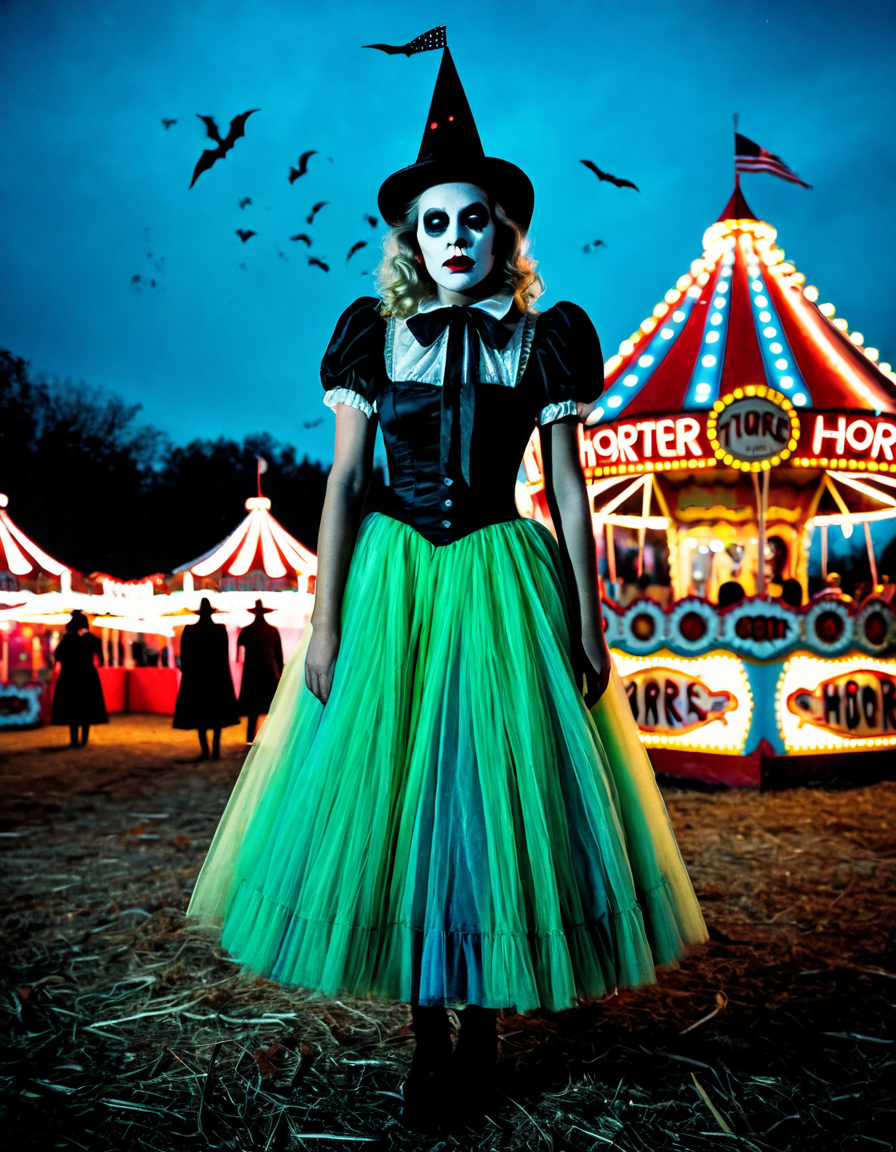
Set in a 1952 carnival environment, “Freak Show” champions the stories of outsiders, diving deep into societal prejudice against those who don’t fit the mold. The tragic tale of Meep highlights the importance of humanity over monstrosity. Jessica Lange’s performance showcases the emotional layers of character struggles, bringing empathy to the forefront of this eerie narrative.
The luxury of the Hotel Cortez contrasts sharply with themes of addiction and decadence, immersing viewers in Lady Gaga’s mesmerizing portrayal of the Countess. This season unravels discussions around immortality and the consequences of fame, offering a critique on self-indulgence. The sinister allure of the hotel serves as a metaphor for societal decay, questioning the price one pays for desires.
“Roanoke” takes a bold meta approach to storytelling through a found footage format, highlighting America’s persistence in ghost narratives. This revolutionary style prompts viewers to examine the blurred lines between fiction and reality. It encourages us to question our beliefs in the supernatural and the stories we choose to tell.
A nod to the slasher films of the 1980s, “1984” revives nostalgia while exposing themes of survival and victimization. With its fresh contemporary twist, this season resonates with fans of classic horror while engaging in meaningful dialogue about modern fears. The combination of humor and horror creates a delightful yet thought-provoking experience.
The Legacy of American Horror Story Cast
The cast of “American Horror Story” plays a crucial role in its enduring success, with many actors returning to embody new, chilling characters from season to season. For instance, Jessica Lange’s performances have become synonymous with the series, as she seamlessly traverses the nuances of sympathy and villainy alike. Her ability to evoke a broad emotional spectrum consistently resonates with viewers, enhancing the show’s depth.
On the flip side, actors like Sarah Paulson have built a reputation for portraying complex characters that challenge societal norms. Her roles illuminate the murky waters of morality, often forcing viewers to confront discomforting truths. The interplay between the American Horror Story cast not only brings narratives to life, but it also elevates the emotional weight of the stories.
Additionally, a recurring ensemble allows for rich character development and continuity throughout the series. Each performance offers a fresh perspective, while subtle references and callbacks create a sense of unity across seasons. This shared universe keeps audiences delighted and engaged, investing them in the multitudes of characters who offer layers of intrigue and horror.
Chilling Connections: The Rocky Horror Picture Show Influence
No discussion of American horror themes is complete without acknowledging the shadow cast by The Rocky Horror Picture Show. While presenting itself as a campy, musical experience, this film dives deeply into societal norms and the dread of conformity. Just like “American Horror Story,” “Rocky Horror” seamlessly interweaves themes of sexuality, identity, and societal expectations, pairing them with horror in striking ways.
The influence of Rocky Horror is palpable in the stylistic choices and character arcs featured in “American Horror Story.” Both works fracture boundaries between genres, allowing for a playful exploration of fear and desire. Moreover, just as Rocky Horror has cultivated a dedicated cult following, American Horror Story has captivated audiences globally, cementing its significance in the annals of pop culture.
In addition to its entertainment value, The Rocky Horror Picture Show offers a unique lens through which to analyze identity and societal acceptance. As characters break barriers and challenge conventions, it compels viewers to reflect on their positions within a conformist society. Both “American Horror Story” and Rocky Horror share an ethos of rebellion and self-assertion, encouraging us to confront the world’s darker truths without reservation.
Analyzing the Cultural Relevance of American Horror Stories
The compelling stories woven through “American Horror Story” shine a spotlight on societal fractures and our collective fears. Themes related to mental health, racial tensions, and sexual identity resonate profoundly, exposing the horror present not only in our imaginations but also among human relations and historical contexts. Each season serves as a lens to examine our reality, using the horror genre as an instrument to confront our uncomfortable truths.
By tackling intricate narratives and challenging societal norms, “American Horror Story” utilizes horror to encourage vital discussions. For instance, using mental health as a backdrop, the show presents the terrifying consequences of neglecting these issues, thereby encouraging a broader conversation around mental wellness. Moreover, it critiques systemic injustices, reminding viewers that genuine horror often resides in our societal structures.
The blend of fear and societal critique found in these American horror stories provides not only entertainment but also a platform for cultural reflection. In navigating these chilling narratives, audiences gain a deeper understanding of how horror can emerge from life’s complexities, thereby enriching both individual and collective narratives.
Crafting the Future of Horror: The Road Ahead
As we look to the future of American horror stories, the ongoing evolution is evident. With new seasons and projects from visionary creators like Ryan Murphy, the narratives will continue to adapt, reflecting shifting cultural anxieties. As technology advances, we can anticipate innovative storytelling methods that may incorporate immersive experiences and interactive narratives, breathing fresh life into the horror genre.
Themes that resonate today may evolve, particularly in light of societal changes and emerging issues. Audiences are increasingly engaged with narratives that resonate with their lived experiences. In this context, American horror stories remain a vital part of cultural discourse, embodying shared fears and hopes within broader societal frameworks.
Through the relentless peeling back of fear and uncertainty, “American Horror Story” provides an intricate tapestry of narrative and commentary. It fuels not just entertainment, but also contemplation about the darker strands of both individual and societal identities. Clearly, horror is destined to remain an essential genre, reflecting our fascination with, and dread of, the unknown while evolving alongside humanity’s journey.
In sum, as American horror stories forge ahead, they will undoubtedly continue to captivate audiences, revealing chilling secrets embedded within the fabric of our collective fears and thwarting expectations with every turn.
By engaging with the essence of horror and navigating deeper themes, “American Horror Stories” offers a profound exploration of fear and identity. Whether through the lens of the supernatural or the examination of our human condition, it effectively draws out our inherent vulnerabilities, making it a captivating subject for exploration and discussion.
American Horror Stories: Unraveling Chilling Secrets
Spine-Chilling Inspirations
Did you know that some of the creepiest moments in American Horror Stories draw from real events? Much of the series is inspired by true crime tales, rattling us right down to the bones. For instance, the episode featuring a notorious murder spree echoes tales that have haunted America for decades. Speaking of haunting tales, if you’ve ever seen City Of God, you know how powerful storytelling can take root in gritty realities, just like the dark fables retold in American Horror Stories.
A Star-Studded Cast
Let’s talk about appearances! One interesting tidbit is that Mamie Gummer, daughter of Meryl Streep, graced the show with her talent. It’s fascinating how the show intertwines fresh faces with seasoned actors, creating an overall thrilling atmosphere. And don’t forget about how the series plays with cultural icons; its links to pop culture are similar to the delightful charm found in projects like Detective Pikachu. That blend of horror with bits of humor keeps viewers on their toes, much like those classic surprises buried within a white elephant gift exchange!
Behind the Scenes
Now, for a little inside scoop: the creators of American Horror Stories are known for their bold ambitions. They often weave intricate plots that catch audiences off guard, akin to the twists in the film Dragon Tattoo. This clever storytelling resonates with fans, keeping the suspense alive. Plus, there’s a layered connection to society’s discussions, reminiscent of significant moments like the Vice President Debate. These connections not only enhance the narrative but reflect our own collective fears and anxieties. And as we dive deeper into vibrant themes, some episodes draw emotional parallels to iconic works such as Neon Genesis evangelion, illustrating the depth that the series often explores.
In the end, American Horror Stories isn’t just about fear; it’s about exploring the darker sides of humanity with creativity and talent. So next time you’re curled up on the couch ready to watch, remember: there’s a lot more than meets the eye! With a dash of whimsy and plenty of chills, it surely delivers a brew of entertainment worth discovering.