Nosferatu: The Revolutionary Figure in Horror Cinema
F.W. Murnau’s Nosferatu (1922) stands as an unparalleled milestone in horror film history, reshaping the landscape of the genre for decades. It’s hard to imagine modern horror without this historically significant work, especially considering its artistic and cultural legacy. Nosferatu, the infamous vampire has inspired filmmakers and audiences alike, leading to an ongoing fascination with the vampire archetype.
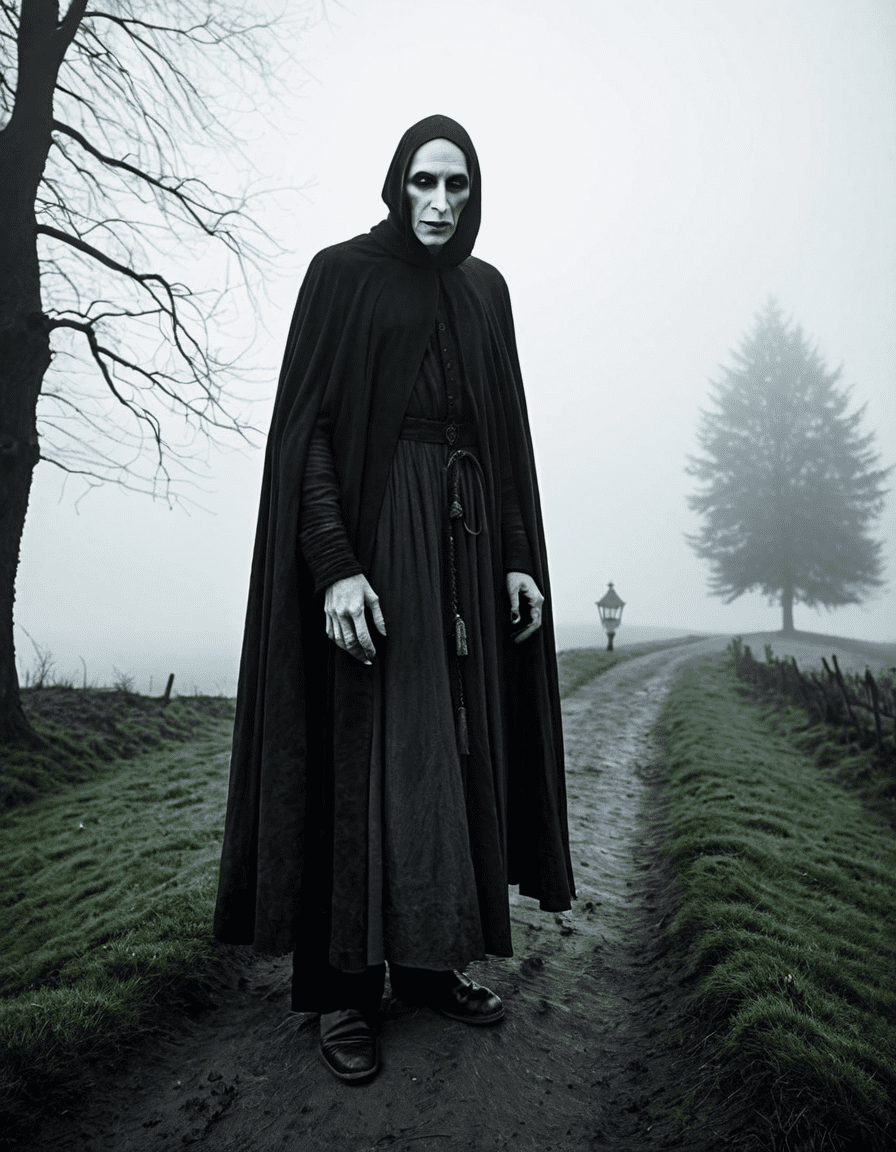
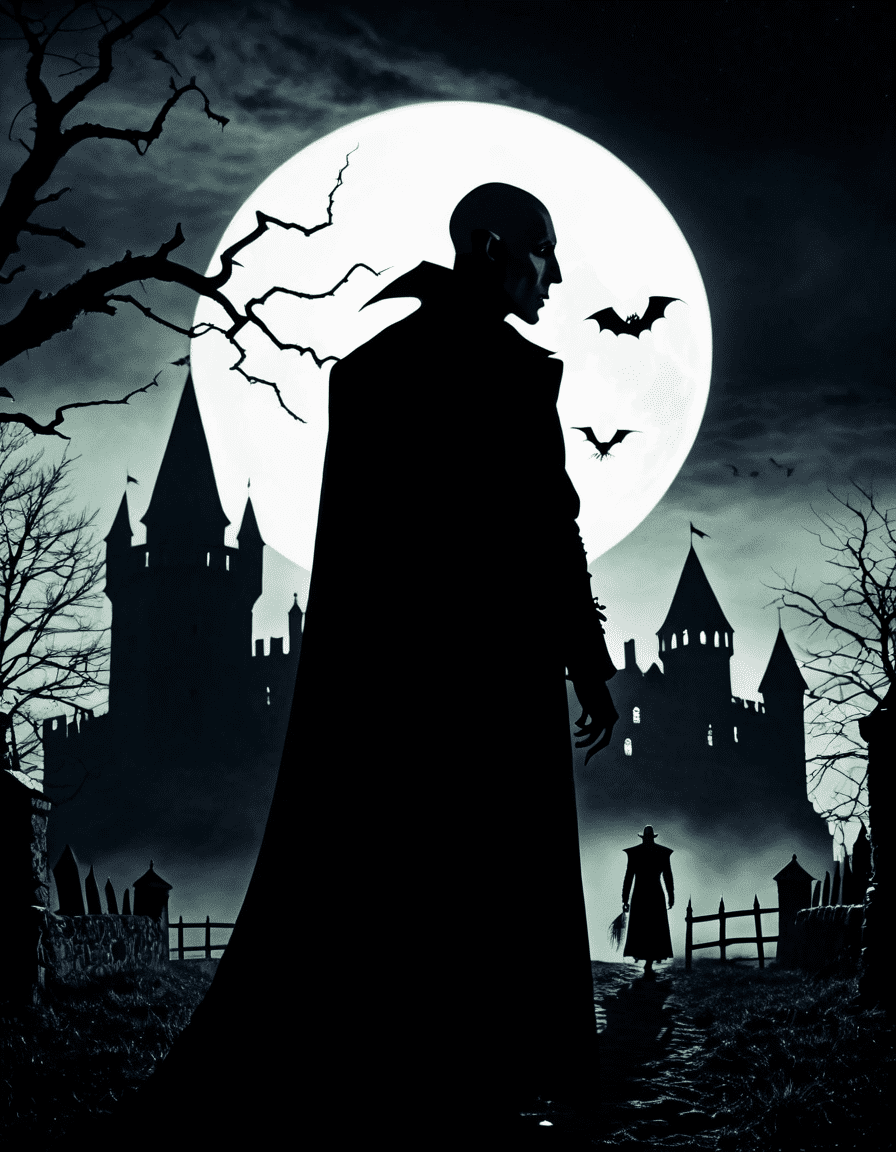
In a world that was gradually shaking off the tremors of World War I, Nosferatu offered a chilling malevolence through Count Orlok, played hauntingly by Max Schreck. This portrayal marked a significant departure from more romanticized images of vampires that came before it, like the suave Count Dracula. Nosferatu was a creature defined by grotesqueness, serving a stark reminder of the villainy lurking beneath the surface—a captivating concept that layered horror with deeper psychological meanings.
As scholars and horror aficionados dissect Nosferatu, it becomes increasingly clear how the film introduced a new aesthetic that echoed societal fears of the time. From the eerie landscapes of Eastern Europe to the unsettling shadows that dance in the background, Murnau painted a world of anxiety, which still resonates in today’s storytelling. Count Orlok isn’t just a figure in cinema; he symbolizes the human psyche’s confrontation with darkness.
7 Ways Nosferatu Changed the Horror Genre
Murnau’s expressionist techniques—like stark lighting and shadow work—crafted a hauntingly atmospheric experience. The stylized sets and unsettling perspectives laid the groundwork for future horror filmmakers like Tim Burton, particularly in Edward Scissorhands, and David Lynch in Eraserhead, who would continue pushing the boundaries of visual storytelling.
Max Schreck’s rendition of Orlok marked a pivotal shift from the allure of Dracula to a being of pure horror. This grotesque representation forged a new path in 1979 when Werner Herzog revisited the essence of Nosferatu in Nosferatu the Vampyre, delving into the monster’s human vulnerabilities.
Murnau’s Nosferatu offered a narrative twist by showcasing a villain without charm, breaking from traditional allure found in vampires. Films like Let the Right One In (2008) took inspiration from this notion, blurring lines between good and evil, and challenging viewers’ moral compasses.
Though a silent film, Nosferatu’s visual storytelling set the stage for soundscapes in horror cinema. Modern films like A Quiet Place (2018) masterfully play with sound design to create tension that harkens back to the unnerving silence found in Nosferatu, punctuated by Orlok’s dreadful movements.
The visual language of Nosferatu—complete with chiaroscuro lighting—has become synonymous with the genre. This aesthetic has been adopted by directors like Ari Aster in Hereditary (2018), grounding modern horror in emotional realism and visual evocation.
The innovative camera angles and techniques utilized by Murnau have lived on in cinema, greatly influencing figures like Alfred Hitchcock in Psycho (1960). Hitchcock and others started to understand how cinematography could psychologically manipulate audiences, enhancing the terror of the tales they told.
Count Orlok provides a lens through which society has examined its fears—like the specter of disease and the chaotic ‘Other’. This cultural resonance continues, inspiring narratives like What We Do in the Shadows (2019), which harness humor and horror from this early characterization.
The Nosferatu Cast and Their Impact on Horror Cinema
The Nosferatu cast played a crucial role in breathing life into Murnau’s chilling vision. Max Schreck’s transformation into Count Orlok helped define the vampire archetype in horror and popular culture, serving as a conduit for the anxieties of the post-World War I era. His haunting portrayal remains an indelible mark in cinematic history.
Alongside Schreck, the film’s emotional core was significantly shaped by Greta Schroder, who portrayed Ellen Hutter, and Georg H. Schnell, who brought Thomas Hutter to life. Each actor navigated their respective roles to explore themes of love, sacrifice, and despair, intricately weaving their performances into the fabric of the horror narrative.
3 Important Cast Contributions
Schreck’s remarkable physicality in this role established a legacy for all vampire portrayals that followed. Now, when we think of iconic vampires, the image of Orlok looms large in the imagination of filmmakers, setting a fearful standard.
Ellen’s tragic role as a victim paved the way for more complex female characters in horror. She shifted perceptions of women in the genre, moving from mere damsels in distress to powerful beings integral to their narratives.
Played by Schnell, Hutter becomes the archetypal ‘everyman’ grappling with the supernatural. The character’s evolution resonates through stories like The Cabin in the Woods (2011), where ordinary citizens confront extraordinary foes, echoing Hutter’s confrontation with Orlok.
Nosferatu: A Permanent Fixture in Horror Anthology
Nosferatu maintains a legacy that’s still felt in today’s cinematic arena. The film’s visual allure and methodological profundity are regularly revisited, making it a cornerstone of horror narratives that span television, films, and graphic novels alike. This isn’t just an early cinematic piece; it mirrors society’s evolving fears and individual anxieties.
Modern artists and filmmakers continually draw inspiration from Nosferatu, weaving its motifs into contemporary storytelling. Countless potentially groundbreaking films benefit from the horror groundwork laid by Murnau. Its ability to strike chords of dread and vulnerability ensures that Nosferatu remains significant—not just as a historical artifact but as a living part of the horror canon.
As we stride into the future of horror storytelling, the influence of Nosferatu does indeed cast a long shadow. It’s a gentle—or perhaps not so gentle—reminder for contemporary creators to delve into the darkness and confront what lurks in both fictional narratives and within the human psyche. So, if you’re a fan of horror, horror films, or simply curious, the legacy of Nosferatu is an emblem of what lies beyond the veil of fear. The fright it instilled, much like breaking bad Gus or any other cultural phenomenon, invites us to continuously explore the terrifying depths of narrative and human nature.
Nosferatu the Iconic Vampire Who Changed Horror Forever
A Cinematic Revolution
Nosferatu the film didn’t just serve as a spooky scare— it transformed the entire horror genre. Released in 1922, this silent classic was based on Bram Stoker’s Dracula, despite the legal battles that led to its creation. Interestingly, the film’s haunting visuals laid the groundwork for future vampire portrayals, influencing countless adaptations, such as the eerie atmosphere in Breaking Dawn part 2. Iconic scenes from Nosferatu inspired filmmakers to embrace suspense and dread, capturing audiences who were hungry for chills. And who knows? It might just be a piece that college Backpacks will carry alongside literary classics like the Count Of Monte cristo!
Behind the Shadows
Count Orlok, played by Max Schreck, remains one of cinema’s most memorable monsters. His uncanny appearance was so compelling that many audiences mistook him for an actual vampire! It wasn’t just his gaunt figure; it was the way he moved and interacted with the world that made him unforgettable. For those fascinated by cinematic craftsmanship, diving into Barry Keoghan’s filmography reveals how modern actors draw inspiration from such unique characters, infusing their performances with a touch of gothic horror. Just imagine how much we’ve evolved since those early days of film—actors nowadays can slip into roles with as much depth as a Cactus Jack or a well-crafted story.
Cultural Impact and Legacy
The influence of Nosferatu the doesn’t stop with film. It’s a celebration of horror that resonates with fans in diverse ways, much like collectors cherish quirky items such as a rainbow dash jar. Its acknowledgment of the vampire archetype carries on in books, art, and even fashion trends today. Just like the shifts we see in college backpacks, which have evolved to reflect current styles and preferences, Nosferatu’s legacy continues adapting to the appetites of the modern audience. As the horror landscape shifts, it’s clear that Nosferatu the will always have a seat at the dark table, reminding everyone that true terror is timeless.