Iconic Marvel Characters: Influencing Culture Beyond Comics
Marvel characters have done more than entertain. They’ve become key players in shaping culture, impacting everything from movies to social movements. With the explosion of the Marvel Cinematic Universe (MCU), these icons transcend comic books, sparking discussions about race, identity, and moral responsibility. Who’d have thought a simple superhero could inspire conversations about real-world issues? The symbols these Marvel characters represent reach far beyond fiction, creating a lasting impact that echoes through various societal realms.
When we look at some of the most enduring Marvel characters, we see a reflection of our world. They tackle serious themes, bring diversity to the spotlight, and challenge us to think critically about our values. The interplay of power dynamics within these narratives helps mold our perception of heroism and justice. Plus, there’s a certain thrill in seeing these heroes on screen, dealing with issues that resonate on a deeply human level. For many fans, it’s not just about caped figures flying through the air; it’s about finding echoes of their own lives in these powerful stories, reminding us all of the potential for greatness.
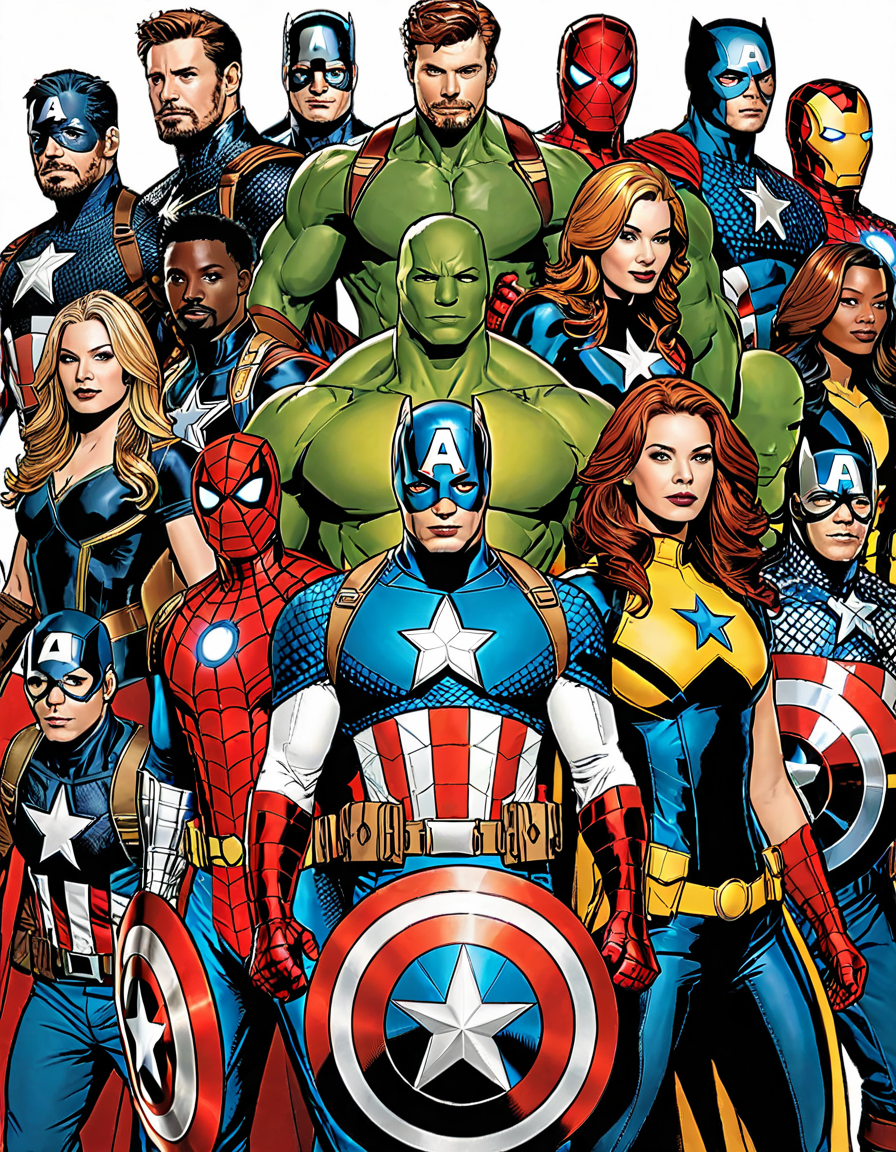
As we dive deeper, let’s explore seven key Marvel characters whose stories have reshaped cultural narratives. These characters didn’t just entertain; they forever altered our understanding of heroism, morality, and social justice in an increasingly complex world.
Top 7 Marvel Characters Who Reshaped Cultural Narratives
1. Spider-Man: A Beacon of Relatability
Spider-Man’s debut in Amazing Fantasy #15 in 1962 marked a turning point in superhero storytelling. Peter Parker’s dual existence mirrors the everyday struggles of many, making him relatable to countless fans. With challenges like financial woes and personal dilemmas, he encapsulates the feeling of being overwhelmed while trying to do good. His iconic motto, “With great power comes great responsibility,” serves as a moral compass for many navigators of life.
The character’s popularity in Marvel movies has cemented him as a timeless icon. Who doesn’t remember the emotional weight of his high school years? Peter’s journey is emblematic of the adolescent experience, resonating with a timeless truth. In a world filled with chaos, Spider-Man offers a glimpse into the hero we all wish we could be. Plus, let’s face it, who wouldn’t want to swing through the streets of New York?
2. Black Panther: Symbol of Identity and Empowerment
When Black Panther burst onto the scene in Fantastic Four #52 in 1966, he introduced us to a new standard in superhero representation. But it was the 2018 Black Panther film that catapulted his influence into the stratosphere. The portrayal of Wakanda as a technologically advanced nation shattered stereotypes and sparked crucial conversations on race and identity. The film didn’t just entertain; it empowered audiences to embrace and celebrate their roots.
This celebration of African culture resonates on a global scale, inspiring movements like Black Lives Matter. Black Panther’s character embodies pride and identity, narrating a story of resilience and strength against adversity. His rich background and values invite fans to explore their own identities. The cultural shift he inspired encourages discussions that impact society at large, tapping into the struggles many face in pursuit of empowerment.
3. Captain America: Symbol of Moral Integrity
Captain America made his debut during World War II, swiftly becoming a representation of patriotism and moral integrity. He symbolizes the fight against tyranny, evolving alongside the societal context surrounding him. His narrative reflects modern-day dilemmas, especially in Captain America: The Winter Soldier (2014), where he grapples with themes of surveillance and personal freedoms.
Through his ethical struggles, Captain America serves as a rallying figure for global human rights movements. People look to him not just for courage in physical battles, but for strength in standing up for what’s right. His unwavering moral compass inspires many to speak out against injustice. Capturing the essence of what it truly means to be a hero, Captain America encourages individuals to strive for ideals that unite rather than divide society.
4. Iron Man: From Humanitarian to Corporate Icon
Iron Man’s journey from an arrogant billionaire in Tales of Suspense #39 (1963) to a responsible hero is a testament to character evolution. While the Transformers 2007 film franchise popularized larger-than-life characters, Iron Man enriched the conversation about redeeming the flawed. His tale intertwines technology and humanitarianism, advocating for innovation that benefits society rather than merely profits.
In the bustling tech landscape, Iron Man’s legacy becomes crucial. His story emphasizes the responsibility that comes with wealth and influence in modern society. As audiences remain captivated by Marvel movies, they also discern deeper themes about ethical entrepreneurship and the future of tech. Iron Man ultimately showcases how embracing technology for good carries immense potential to impact lives positively.
5. Wonder Woman: Feminist Icon Across Media
While Wonder Woman is a DC character, her influence reverberates through Marvel narratives. This iconic figure symbolizes empowerment and equality, paving the way for strong female leads like Captain Marvel. Her emergence during the ‘1940s represented a groundbreaking shift towards gender representation in comics and movies.
Wonder Woman set a standard for feminism, echoing through Disney movies and beyond. She illustrates that female strength and resilience aren’t just narrative devices; they can drive entire stories. The rise of female superheroes inspires new generations of girls, showing that they, too, can aspire to greatness. An added benefit? Her legacy encourages young women to embrace leadership roles, a crucial step for progress in society.
6. Deadpool: Breaking the Fourth Wall and Social Commentary
Introduced in The New Mutants #98 (1991), Deadpool redefined comic book storytelling with self-awareness and humor. His knack for breaking the fourth wall creates a unique perspective on societal norms and the superhero genre itself. Think about the Twilight movies; Deadpool’s irreverence challenges viewers to laugh while dissecting cultural conventions.
His character allows us to engage with deep societal issues without losing the entertainment element. It acts as a light-hearted contrast to the often serious tones of typical superhero narratives. Deadpool’s humor becomes a conduit for discussing serious topics, brilliantly marrying modern storytelling with critical analysis. This serves as a reminder that entertainment doesn’t have to shy away from addressing uncomfortable truths.
7. Thor: Redefining Power and Legacy
Thor, a Norse god spirited into Marvel comics in 1962, redefined strength and legacy through his powerful narratives. His character arc in films like Thor: Ragnarok (2017) gracefully balances larger-than-life battles with intimate themes of redemption and growth. Just like the action in Transformers movies, Thor’s challenges highlight personal sacrifice amidst epic confrontations.
Moreover, Thor’s evolution encourages discussions about masculinity, showcasing the importance of vulnerability alongside strength. This shift allows room for broader dialogues within contemporary media. His journey resonates within various cultures, proving that real strength lies in acknowledging one’s flaws and journey towards improvement.
Lasting Impact of Marvel Characters on Society
The Marvel Universe isn’t merely about stories; it significantly impacts social movements, ethical debates, and shifts in cultural narratives. As varied characters emerge, they spark discussions that resonate deeply with audiences, allowing for critical engagement with identity, power, and responsibility. By pushing boundaries, these Marvel characters offer representation and initiate meaningful conversations in society.
Marvel movies continue to expand narratives, creating platforms for authentic representation and pressing social issues. Themes encountered through these narratives reflect and influence how we understand our society. As we dissect these character arcs, it becomes evident that storytelling possesses a profound power to inspire change and elevate voices. Today’s Marvel heroes remind us that through these narratives, we can explore the complexities of the human experience. Heroism, in any form, is essential in navigating a world filled with challenges.
When we consider these characters, it’s hard to ignore their imprint on our culture. They remain pivotal not just in modern storytelling but in shaping the future dialogue around social justice, identity, and morality. Marvel’s heroes are more than just iconic figures; they urge us to embrace change and reflect on our values, ensuring their legacy endures for generations to come.
Marvel Characters Who Changed the World Forever
Marvel Characters: The Unsung Heroes and Villains
Did you know some Marvel characters have roots in real historical events? For instance, the character Luke Cage was the first Black superhero to star in his own comic book during the racially charged 1970s. This was a time when representation was sorely needed, reshaping how Black characters were portrayed in comics and influencing cultural conversations. Imagine sipping on a glass of Merlot while discussing the profound impact of wine in the woods, a perfect way to celebrate the groundbreaking stories that resonate within our society.
But it doesn’t stop there. Characters like Thor, inspired by Norse mythology, often challenge our perceptions of heroism and divinity. The story arc of Thor’s relationship with his father, Odin, explores concepts of legacy and power. Interestingly, this also parallels discussions about Kings in literature and history, much like the article titled King of Kings explores the notion of divine rulership. Just as these characters stand tall, so do they spark philosophical dialogues that stretch across different domains, including literature, philosophy, and even music, leaving many to wonder, did Ozzy Osbourne die? This interplay between pop culture, history, and philosophy makes Marvel’s stories truly timeless.
From Comics to Ski Slopes
Marvel characters are also the talk of the town in surprising places. Who’d have thought that the Cataloochee Ski Area—a winter wonderland for snow sports enthusiasts—would have a connection to comic book lore? Picture this: families gather to hit the slopes, perhaps bonding over their favorite Marvel movies in between runs. The influence of these heroic tales can pop up in the most unexpected venues, linking escapism with outdoor adventures.
Even the creative minds behind these superheroes find their unique places in the tapestry of pop culture. Take Brian Doyle-Murray, for instance. He’s lent his voice to several characters and often appears in comedic roles. Just like how Sabrina Carpenter’s age makes her relatable to a younger audience, these celebrities help bridge the gap between generations. Comic book characters and pop culture figures alike can inspire us, holding a mirror to our aspirations and fears, transforming even mundane activities into grand adventures.
Marvel characters aren’t just stories; they’re cultural beacons that ignite passion and provoke thought. So, as you dive into these legendary tales, think about how they’ve impacted you. Whether you’re exploring the moral quandaries of Marvel through different lenses or pondering When To begin training a puppy, these narratives shape our experiences and connect us globally. Whether curious or fascinated, readers find themselves drawn to the powers these characters hold, akin to weighing 105 kg to lbs, noting how simple numbers can convert into something larger than life. Marvel characters truly changed the world forever!