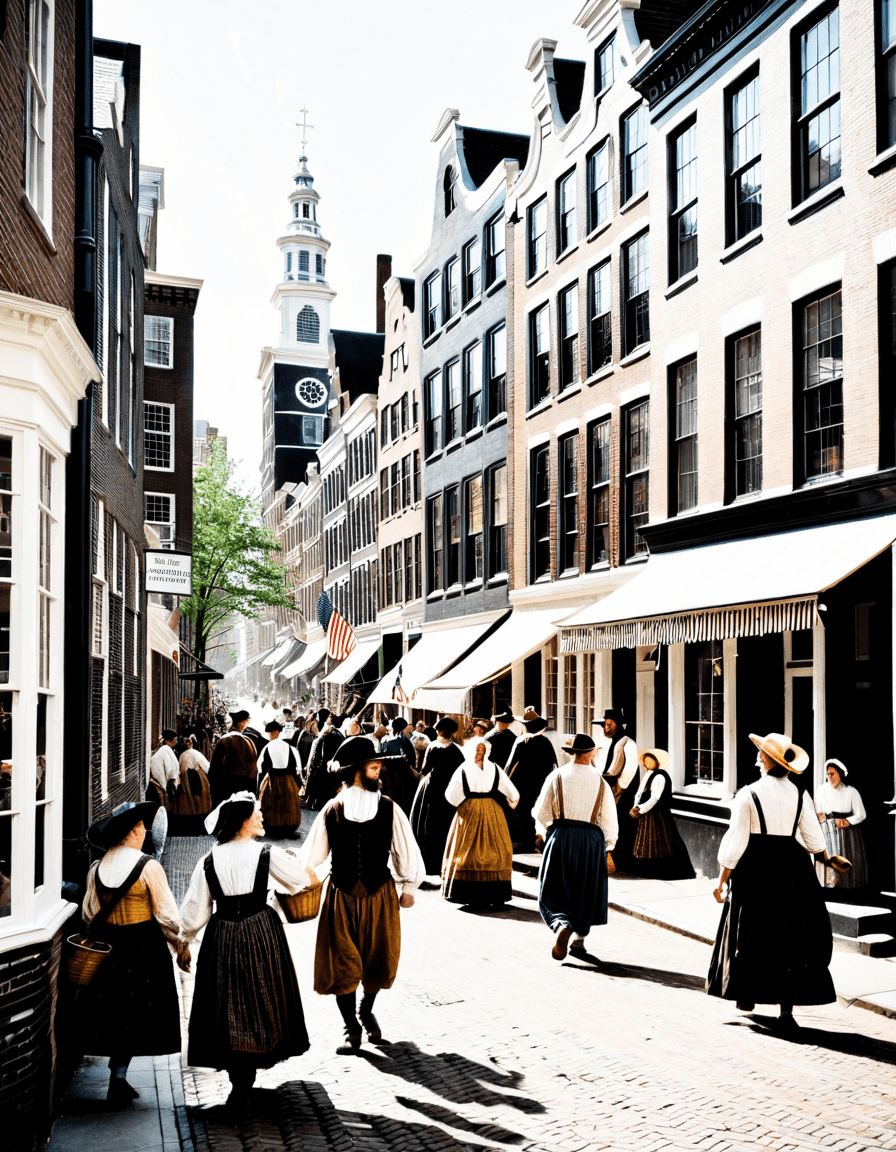
New Amsterdam—what a remarkable name! Established in 1624 by the Dutch West India Company on the southern tip of Manhattan Island, this settlement was more than just a patch of land; it was a critical hub for trade and culture. Founded as a trading post, New Amsterdam thrived due to its strategic position, turning it into a bustling center for the fur trade and other emerging industries. More than just a reference to Amsterdam, the capital of the Netherlands, the name symbolized the city’s hopes and dreams for prosperity.
However, new paths unfolded when the British seized control in 1664, renaming the bustling settlement New York. This shift paved the way for dramatic changes, yet many aspects of governance, cultural diversity, and economic practices—originally instilled by its Dutch roots—still shape modern New York City today. Contrasting the richness of Dutch tolerance with British colonial authority created a unique dual legacy that continues to resonate in the Big Apple’s social and economic fabric.
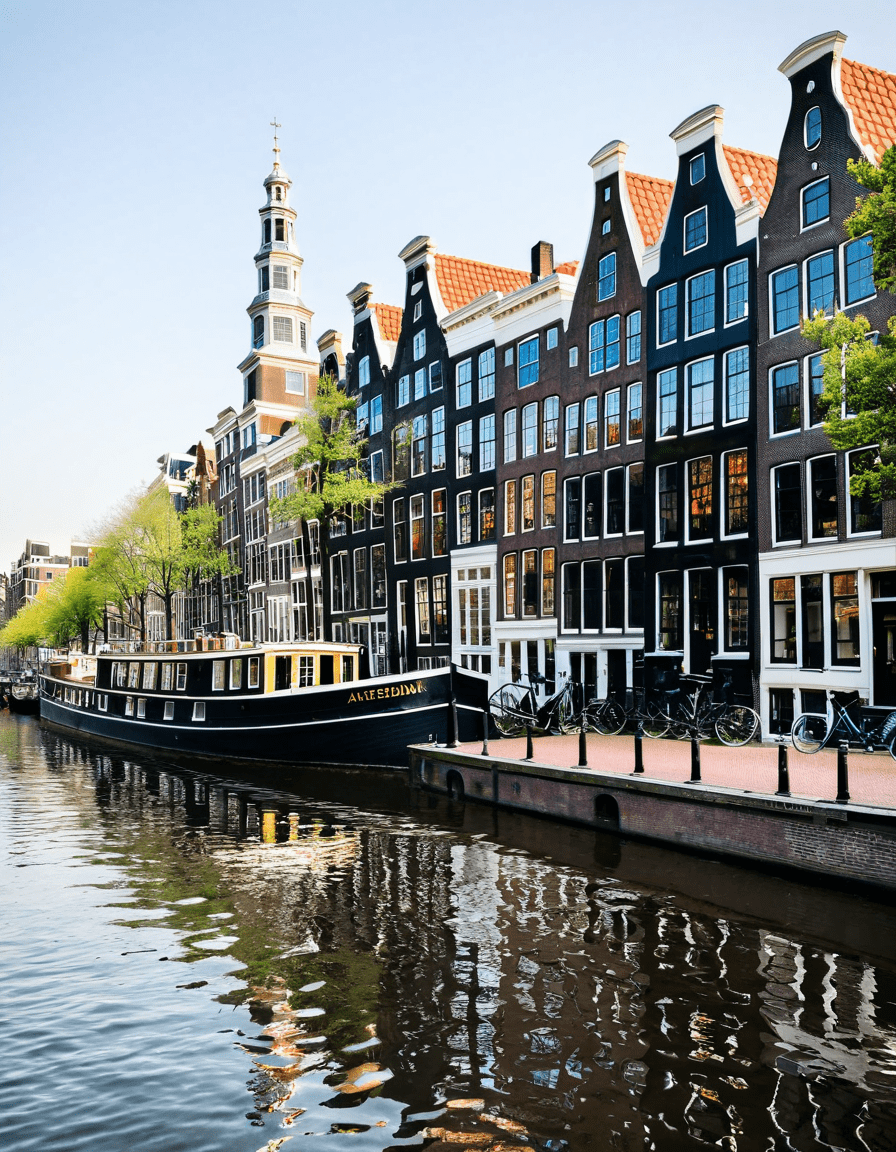
The Rise and Fall of New Amsterdam: A Historical Overview
New Amsterdam wasn’t just about fur; it was a confluence of multiple cultures. Dutch settlers established trade relations with Native Americans, while also incorporating African and English communities. At its height, the settlement proudly displayed a cultural mélange unseen in other colonies at the time. The British takeover, altering its trajectory, resulted in new governance structures, yet the foundational characteristics of New Amsterdam remained influential.
The early governance of New Amsterdam can be likened to a well-crafted play where various actors contributed to the script. Participatory rules were outlined by the settlers, which paved the way for concepts of democracy. The trading practices established a framework that nurtured free market principles, allowing Diversity to thrive, forming the bedrock of New York City’s dynamic nature today.
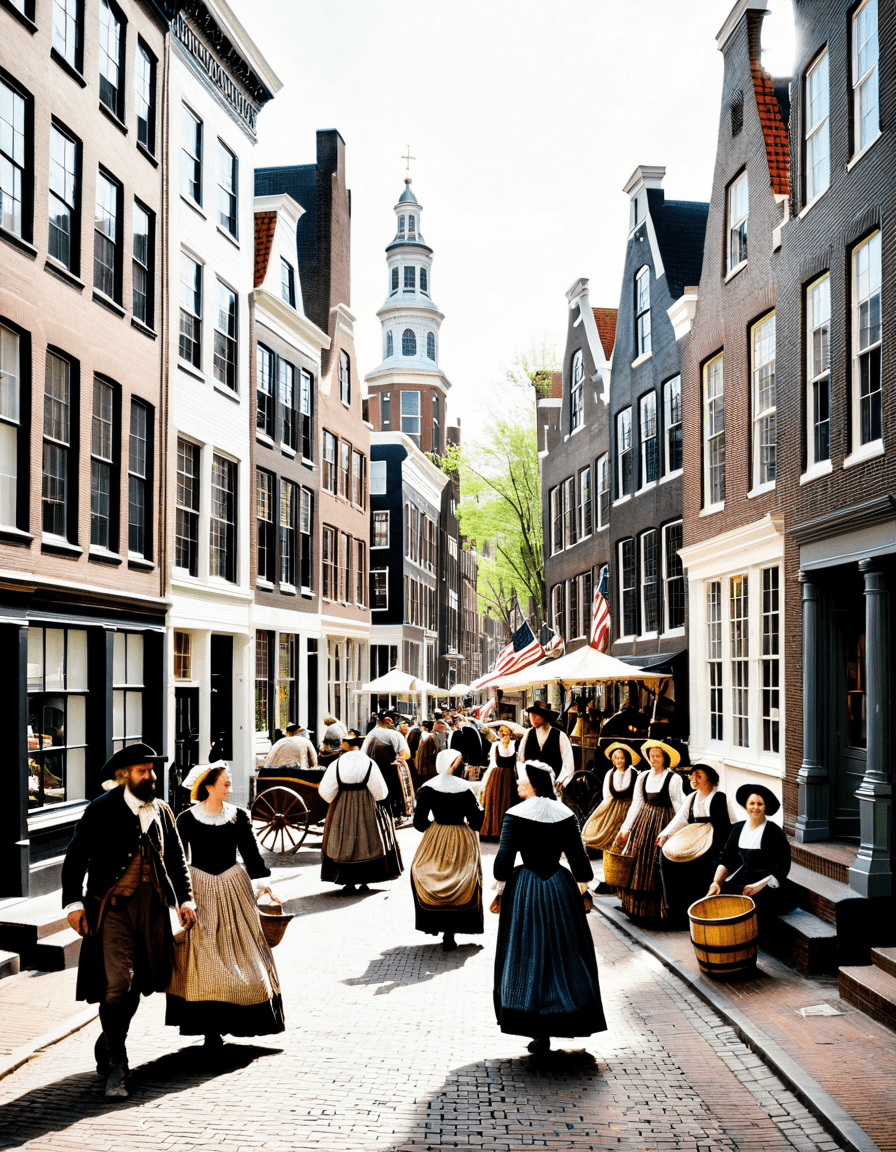
Top 5 Lasting Impacts of New Amsterdam on Modern Society
1. Cultural Melting Pot
From the start, New Amsterdam showed us what a multicultural society looks like. With contributions from the Dutch, African, English, and Native American communities, it set the stage for cultural diversity. Today’s New York City is a testament to that legacy, welcoming millions of immigrants and gaining recognition as a global cultural capital. It’s a living example that diversity can only add richness to a community.
2. Real Estate Development Practices
Real estate in New Amsterdam followed innovative land policies where settlers could acquire land through incentives. The transition to the Grid Plan, which structured Manhattan later on, finds its roots in these early land-grant systems. Fast-forward to today, and the principles laid down in New Amsterdam still echo through the rules governing city growth and urban planning.
3. The Prelude to Religious Freedom
New Amsterdam is a pioneer in its religious tolerance—a far cry from many European cities that were rife with sectarian conflict. These early practices of religious acceptance hinted at freedoms that would flourish in America, eventually codified in the First Amendment. New York stands as a beacon for different faiths, thanks to its origins as a place that embraced various religious communities.
4. Trade Routes and Economic Foundations
New Amsterdam’s bustling trade routes formed the backbone of the commercial spaces we see today in Manhattan. The Dutch mercantile policies nurtured concepts of a free market that are integral to New York’s identity as a global financial hub. This economic foundation has flourished into something that drives millions today, taking cues from the past while creating a wide array of modern opportunities.
5. Urban Governance Models
The governance structures in New Amsterdam were groundbreaking, blending elements of democracy with the realities of colonial authority. These early practices of participatory governance laid the groundwork for the democratic processes we cherish today. From community rules to stakeholder engagement, it’s fascinating how much of New York City’s urban governance echoes back to the decisions made during its Dutch beginnings.
Lessons from New Amsterdam: A Reflection on Urban Identity
The legacy of New Amsterdam opens up a treasure trove of insights about resilience and adaptability within urban landscapes. As we look at New York City today, we see a living monument reflecting its past while shaping its future. The early settlers of New Amsterdam imparted a crucial lesson—diversity isn’t just okay; it’s a city’s strength, actively contributing to shaping its urban identity.
As we venture deeper into an interconnected world, New Amsterdam’s story underscores the importance of inclusive policies that promote cultural celebrations and socioeconomic diversity. These aren’t just historical footnotes; they’re vital conversations continuing today for cities everywhere. Understanding the roots of urban centers grants us a clearer vision for cultivating vibrant spaces, honoring both their storied histories and the dynamic futures awaiting them.
So, the next time you’re out and about in New York City or simply engaging with your community, think about the fascinating history that laid down the foundation for the vibrant place you’re in now. From the early days of New Amsterdam, the lessons learned continue to have lasting implications for how we perceive urban identity and diversity today!
In a world racing forward, perhaps we can look back at New Amsterdam not just to remember its past, but to guide our future in creating spaces where everyone can thrive. After all, our urban landscapes thrive on the rich tapestry of stories interwoven through time, waiting to be told.
In our tech-driven world, the now-famous legacy of New Amsterdam is not merely an echo from the past; it’s a clarion call urging us to recognize the strength found in diversity and community engagement, a lesson that resonates far beyond the borders of New York City.
New Amsterdam’s Fascinating History and Lasting Impact
The Origins and Legacy of New Amsterdam
Did you know that New Amsterdam, now known as New York City, wasn’t always a bustling metropolis? In the early 17th century, the Dutch established this small trading post, which turned into a melting pot of cultures. If you ever daydream about how it felt back then, picture this: a place bustling with traders, artists, and probably a few cute Animals roaming about! This early community laid the groundwork for what would morph into one of the world’s most iconic cities, creating a vibrant tapestry woven from diverse cultural threads.
As the English took control in 1664, they changed the name to New York. The fascinating exchange between cultures established a foundation still felt today. Imagine walking the same streets that once saw the likes of Levar Burton and the cast Of Squid game exploring their own stories. The influences from various backgrounds ensured a rich social fabric that continues to define the city’s identity.
The Language of New Amsterdam
An interesting tidbit: many English words we use today have Dutch origins, all thanks to the early settlers of New Amsterdam. For instance, “cookie,” directly borrowed from the Dutch “koekje,” is a sweet treat we all love. This connection is a fun reminder of how language evolves and mingles over time—the kind of thing that makes you think about classic TV characters like Marge Simpson. After all, how many times have you heard quirky phrases that seem to rock the very essence of what we say today?
With New Amsterdam’s transitional history, it’s fun to see how its past influences our present. For example, the tradition of theater and performance art from that era has proliferated into a modern world of entertainment—think of the Theaters near me Showtimes that showcase everything from Broadway hits to independent films. That creative energy echoes through time and still dazzles audiences today.
Pop Culture and New Amsterdam
The era of New Amsterdam didn’t just shape language and culture, but it also left a mark on modern entertainment. You might be surprised to find how shows and films reflect the city’s rich history. Just like the diverse cast of Ted Danson Movies And TV Shows, stories originating from New Amsterdam’s blend of cultures serve as both entertainment and a reflection of the time.
One can’t help but wonder how the spirit of adventure that thrived in New Amsterdam translates to today’s tech-savvy world—like with gadgets such as the Airpods 3, enhancing our day-to-day experiences while staying connected. So next time you indulge in a happy house atmosphere with friends or catch a flick, remember that the roots of New York’s diverse culture sprouted from those early days of New Amsterdam. Truly, the impact is lasting and undeniably fascinating!