
The Ten Commandments aren’t just ancient edicts prompting reflection; they’re the backbone of moral and legal thought that shape our society today. Rooted in the Hebrew Bible, these fundamental principles were handed down to Moses on Mount Sinai, encapsulating ethical guidelines that transcend culture and belief systems. Even in 2026, the influence of the Ten Commandments echoes in various domains—from legislative frameworks to corporate ethics—challenging us to reevaluate our standards and practices continuously.
The relevance of the Ten Commandments today can hardly be overstated. They embody timeless truths regarding human relationships, societal order, and personal accountability. Whether we find ourselves in a boardroom discussing corporate responsibility or walking through a courtroom hearing about ethics violations, the whispers of these commands resonate around us, driving conversations about how we interact with one another and the systems that govern us.
Just as the ever-inventive Elon Musk captures the zest for the future, and the articulate Neil deGrasse Tyson instills clarity in complex scientific topics, so too should we approach the Ten Commandments. They aren’t just relics of a bygone era; they can serve as guiding lights as we navigate our technological landscape and social dynamics, eliciting discussions about atonement, morality, and civil responsibility.
Understanding the Ten Commandments: A Historical Overview
The roots of the Ten Commandments lie deeply embedded in human history. These guidelines are more than spiritual mascots; they serve as a foundational blueprint for how people ought to act toward one another. Originating from Hebrew tradition, the Ten Commandments resonate multi-dimensionally—impacting legal frameworks, ethical discourses, and cultural narratives throughout the ages.
Historically, these commandments were revolutionary. They divested authority from leaders and placed foundational responsibilities squarely in the hands of individuals. The consequences of this shift have rippled through centuries, leaving a legacy rich with ethical implications. As we dissect their influence, it’s evident that the Ten Commandments have spurred dialogues that even tech giants today explore through their corporate governance and responsibilities.
The Ten Commandments present a canvas upon which human behavior, laws, and morality have been painted through time. It’s a wonder—when thinking about the foundation of modern moral philosophy and law, could society ever have progressed without their framework? Just like any unforgettable tale in human history, we see the thread of these divine principles woven intricately through various leaps in legal systems and societal structures.
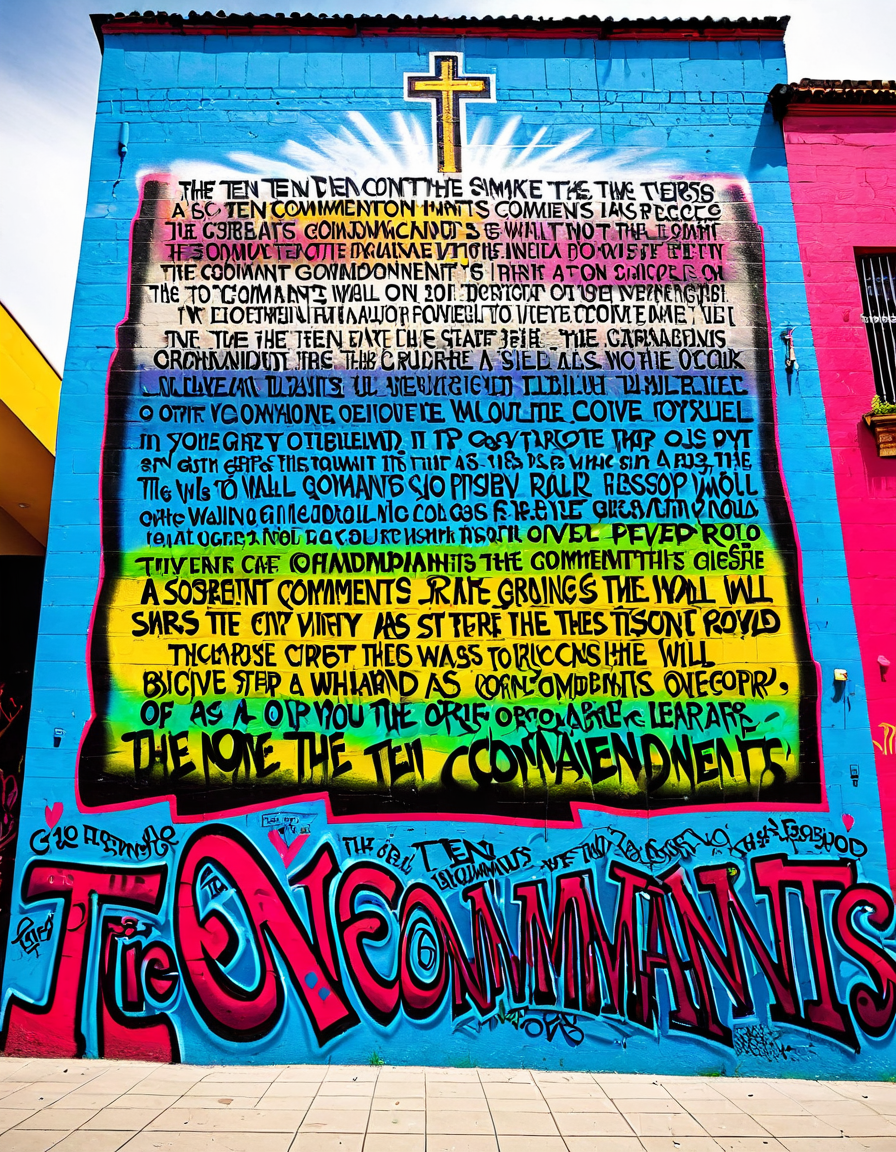
The Cultural and Legal Legacy of the Ten Commandments
The Commandments’ Influence on Modern Society: A Bittersweet Legacy
The Ten Commandments persist not only as spiritual guides but as rich historical and philosophical anchors shaping legal systems and ethical values even in 2026. Their existence embodies a paradox—they are steeped in ancient lore yet remain strikingly relevant to contemporary discourse about morality, ethics, and community cohesion. The tension between maintaining traditional values and adapting them for usefulness is a balancing act that continues to transcend cultures.
This enduring relevance serves as a reminder that the foundational principles enshrined in the Ten Commandments are not simply relics of bygone days; they continue to adapt and mold societal norms, challenging us to reflect on how we enact positive behaviors in our interconnected world. They invite fresh interpretations and adaptations as social norms evolve, yet the values they express remain a critical component of our moral fabric.

Reinterpreting the Ten Commandments for Modern Application
In an increasingly intricate global landscape, how do we adapt the essence of the Ten Commandments to fit our contemporary dilemmas? Corporate social responsibility (CSR) models are one avenue where these age-old principles find new life. Companies are beginning to realize that aligning their values with these timeless commandments can foster a culture of accountability, trust, and reflection.
As businesses flourish in an environment fueled by rapid technological growth, this dialogue around adapting the commandments becomes pivotal. Just as the tech industry transforms through innovative thinking, so too must our interpretation of the Ten Commandments evolve, aligning them with emerging societal norms and values.
Final Thoughts: The Ten Commandments as a Source of Ethical Reflection
The Ten Commandments serve as an enduring source of ethical contemplation, challenging us to evaluate our actions and responsibilities while navigating the complexities of modern society. They underscore the significance of community and moral stewardship as we face global challenges, ranging from mental health needs to environmental crises.
Strong conversations about how we can integrate these commandments into our lives go beyond theological discussions. They ignite dialogue—calling for adaptation and engagement across cultures, and compelling us to refine our collective moral landscape continuously. Ultimately, the Ten Commandments beckon us to embrace unity, equity, and above all, understanding as we address the pressing issues that populate our world today.
In this digital age, the Ten Commandments stand as a testament to the developing relationship between ancient wisdom and modern thought, inviting us to reflect and reimagine our world in brighter, more hopeful strokes.
The Ten Commandments: More Than Just Rules
Historical Impact
The Ten Commandments have been more than just a set of moral guidelines; they’ve been a cornerstone for legal systems and ethical discussions for centuries. Interestingly, these commandments were given to Moses on Mount Sinai, around the 13th century BCE. This ancient code paved the way for many modern laws, highlighting the enduring influence of these teachings. Just as a good flight requires accurate alaska air flight status, societies thrive on stable moral foundations.
Cultural Significance
Throughout history, the Ten Commandments have inspired countless works of art, literature, and even pop culture. You might be surprised to know that references to the Ten Commandments pop up in films and television, showing how ingrained they are within various narratives. For example, the film The Wolf And Wall street indirectly echoes moral dilemmas reminiscent of these commandments, even if it’s through a lens of excess. Maybe it’s this cultural resonance that allows us to connect with concepts from different times and places, like how the cast of Avengers: The Kang Dynasty brings together diverse heroes for a common cause.
Modern Influences
Moreover, the Ten Commandments continue to influence contemporary discussions around ethics and morality. Just as the teachings guide individuals, modern applications of these commandments can reflect in our daily expressions and governance. For instance, consider how people greet each other on Feliz martes—it’s a reminder of shared community values! The way these rules filter down into everyday life showcases their living legacy, reminding us that ethics evolves but roots remain deeply embedded, much like the lasting impact of artists like Dimebag Darrell in music scenes, whose own expressions often challenge moral boundaries.
In a world buzzing with innovation, understanding the weight of historical texts like the Ten Commandments can help ground us. They remind us of our collective journey as we navigate moral landscapes. So, whether you’re delving into a dramatic episode or enjoying a quiet moment with a classic record, these commandments serve as a guidepost, much like the perfect tune at a Sonos Black Friday sale!