Stardust: The Building Blocks of Life and the Universe
Stardust—sounds poetic, doesn’t it? But this term holds a far deeper significance than merely serving as a romantic image of the night sky. In fact, stardust represents the remnants of stars that have exploded, forever altering the cosmic landscape. Following the Big Bang, these stellar remains forged the fundamental elements that make up not just planets and stars but life itself. Every atom in your body, every breath you take, traces back to stardust that once twinkled brightly in the universe.
Astronomers and physicists pour their hearts into unraveling the story of stardust. Through a meticulous examination of cosmic phenomena, they’ve uncovered how stardust plays a crucial role in the creation and evolution of celestial bodies. For instance, scientific explorations show that elements like hydrogen, carbon, and oxygen are synthesized in the cores of stars, only to be launched into space when these stellar giants meet their explosive end. The journey from stardust in the cosmos to a bustling Earth with thriving ecosystems is a tale filled with wonder.
In recent advancements, researchers have created additional pathways toward understanding stardust. They often sift through ancient meteorites—those little time capsules from the dawn of our solar system—to find these grains of cosmic origin. Each grain tells a story, revealing not just the building blocks of life, but also the elemental genesis that led to our planet’s geological structures. Each particle adds to our ever-expanding knowledge of the universe, reminding us that we, too, are connected to the stars.
Top 5 Fascinating Facts About Stardust in Our Cosmic Narrative
Just like the legendary band Steely Dan blended various musical styles, stardust has orchestrated the Earth’s geological tapestry. When ancient asteroids and comets, primarily composed of stardust, struck our planet, they significantly shaped its structure. Studies show that these cosmic fragments contributed essential minerals, providing the necessary nutrients that fuel Earth’s diverse ecosystems. Our planet’s history is indeed a cosmic jam session, orchestrated by the elements born from the stars.
Think of the explosive finale of a classic rock concert—no one expects it to end quietly! In a similar vein, the life cycle of a star concludes in a bang: a supernova. This cataclysm doesn’t just go out with a whimper; it spreads stardust across the universe, offering the basic elements required for forming planets and, ultimately, for life. A recent analysis of ancient meteorites has unearthed stardust grains that serve as direct evidence of this elemental transformation, essentially a cosmic bombshell that reveals the intricate processes leading to the emergence of life.
Just like how Soulja Boy brought a vibrant twist to the music scene, stardust has ignited curiosity and inspiration among today’s scientists and artists alike. The idea that we are made of stardust isn’t just a catchy phrase; it has found its way into various artistic expressions—from literature to visual arts. The cultural phenomenon surrounding stardust bridges science and creativity, reminding us that our narratives are interwoven with the cosmos itself.
There’s something uplifting about the title of Weezer’s album, and it’s particularly resonant when you consider NASA’s Stardust mission. This ambitious project aimed at capturing particles from the comet Wild 2, and bringing them back to Earth reflects our shared curiosity about our origins. Analyzing the data collected is akin to unearthing a treasure trove of primordial materials, reinforcing our understanding that life’s complexities may have simple, cosmic beginnings.
The notion that stardust could be the key to finding life outside Earth offers an exhilarating prospect. By studying celestial objects rich in stardust, scientists are diving headfirst into the search for extraterrestrial life. Initiatives like the Kepler Space Telescope have uncovered numerous exoplanets situated in habitable zones teeming with stardust-derived materials. It’s a cosmic treasure hunt that could one day unveil the existence of other life forms—an exclamation mark in the narrative of our shared universe!
The Cycle of Stardust: A Cosmic Recycling Program
No doubt about it—stardust doesn’t just linger around; it’s part of an iconic cosmic recycling program. After stars burn brightly and meet their end, they provide the raw materials necessary for new stars and planets to form. This never-ending cycle of creation and destruction illustrates the beautiful interconnectedness of the universe. Observations of stellar nurseries show us that new stars are birthed from the remnants of their predecessors, a stunning reminder that nothing we see around us has come from a singular event.
Moreover, this recycling also has broader implications for understanding our planet’s future. As we continuously study stellar processes, we gather insights into the cycles that govern not just our solar system, but others as well. Understanding the rhythms of stardust can lead to groundbreaking discoveries in fields like astrobiology, as it shapes our knowledge of how planets develop life-supporting environments.
This cosmic ballet invites us to appreciate the cyclical nature of everything, including our own existence. Sticking together like a well-rehearsed band, the universe resonates with stories of rebirth, continuity, and evolution. It’s a narrative that beautifully illustrates how from dust, we all emerged—and how, in due time, we will return to it.

The Philosophical Implications of Stardust
When you think about being “made of stardust,” it’s not just a scientific fact; it opens up a treasure chest of philosophical musings. This concept has spurred countless discussions on existence, identity, and our consciousness. Renowned thinkers and writers have explored this stardust connection, suggesting that our very essence links us to stars that shimmered eons ago.
The transient nature of stars parallels human experiences; both flicker brightly before fading away. Such comparisons compel us to reflect on the beautiful yet fleeting nature of existence. The philosophical dialogue surrounding stardust urges us to contemplate our purpose and identity in a vast, interconnected universe.
As we embrace this cosmic lineage, it becomes clear that our story is part of something grander. In a buzzing, bustling life driven by daily stresses, recognizing our connections to the stars can evoke a profound sense of belonging. It’s a thought that echoes into the cosmos, inviting humanity to engage in deeper questions about life’s meaning and our ultimate fate.
A Celestial Legacy: Our Destiny Among the Stars
As we stand on the brink of incredible discoveries in astrophysics and astrobiology, stardust’s significance continues to grow. With ongoing missions focused on cosmic exploration, such as the James Webb Space Telescope, we set out to unravel the universe’s secrets. The narrative of stardust isn’t just a historical account; it remains integral to our shared future and understanding of what lies ahead.
Our relationship with the cosmos is increasingly defined by this exploration. Whether through groundbreaking scientific missions or artistic expressions inspired by celestial phenomena, stardust invites us to redefine how we perceive the universe. It’s not just about gathering knowledge; it’s about embracing a journey that reveals our destiny among the stars.
As we delve deeper into the mysteries of stardust, it serves as a constant reminder of where we come from and where we may be going. This sparkling essence of the universe not only informs our scientific inquiry but ignites our imagination and inspires fresh possibilities. Within these particles lies our story—a cosmic tale that beckons us to explore, connect, and dream as we navigate our extraordinary place among the stars.
Stardust: The Cosmic Fabric of Our Existence
The Crucial Composition of Stardust
Did you know that stardust is more than just poetic imagery? In fact, it’s a fundamental component of all matter, including you! Yep, every atom in your body was forged in the hearts of stars. While that may sound like something out of an epic sci-fi flick, it’s true—just like the dramatic stories told by the band Panic! At The Disco, our very existence is intertwined with the cosmos. Each explosion of a star scatters its remnants across the universe, enriching the clouds of gas from which new stars and planets can emerge. So, in essence, we’re all made from the same celestial ingredients!
Fun Facts About Stardust
Curiously, stardust isn’t just about the stars we watch in the night sky. Some researchers have traced the origins of stardust back billions of years, helping us figure out how old celestial objects are. This kind of cosmic archaeology is similar to piecing together clues from history. For instance, just like following the intriguing case of Pam Hupp makes you ponder deeper narratives, studying stardust unveils the evolution of our solar system. It’s a thrilling chase through time—a journey akin to that taken in the classic tale Journey to the Center of the Earth.
Stardust in Everyday Life
Believe it or not, stardust plays a role in more than just the cosmic story; it finds its way into our modern-day lives too. Elements formed from stardust are used in everything from electronics to our own biology. Just think, the next time you’re catching a game between the Padres and the Washington Nationals, you’re literally surrounded by stardust! It’s these interconnected elements, like De’Aaron Fox threading through a defense, that represent the cosmic connections we often overlook in our day-to-day routine. And let’s not forget that everything from the air we breathe to the very essence of life is forged from the stars—the stardust we’re all composed of is key to understanding the universe and ourselves.
So next time you gaze at the night sky, remember, those sparkling points are more than just starlight; they are beacons of history, life, and, well, you! As Blythe Danner once said,Life is about the journey. And our journey truly began with stardust, weaving together an intricate tapestry of life across time and space.
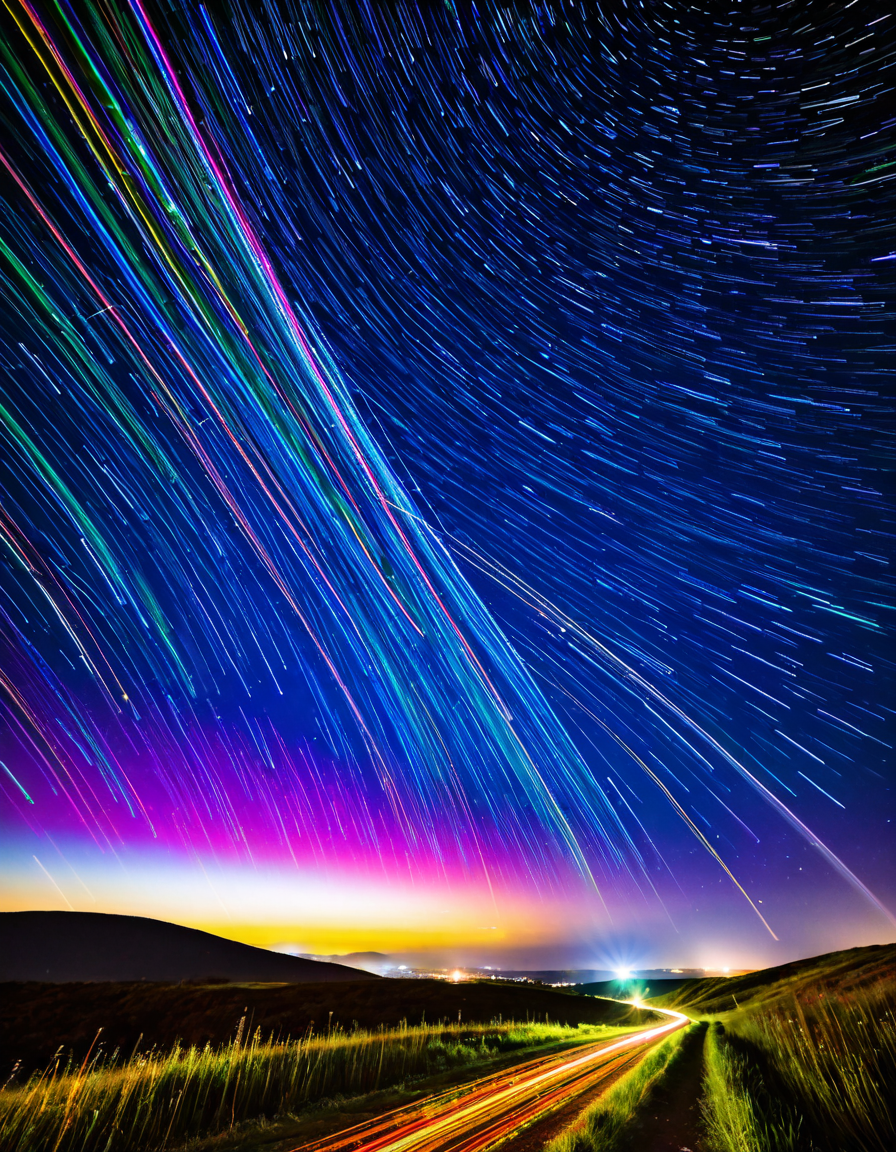
What exactly is Stardust?
Stardust is a fantasy film that mixes romance, adventure, and magic, based on Neil Gaiman’s novel. It tells the story of a young man who ventures into a magical realm to retrieve a fallen star and ends up discovering love and bravery along the way.
What is the literal meaning of Stardust?
The literal meaning of stardust refers to tiny particles that come from stars, but it’s often used poetically to describe something enchanting or otherworldly, embodying the magic of the universe.
Is Stardust worth watching?
Yeah, Stardust is definitely worth a watch if you enjoy whimsical tales with a mix of adventure and romance, plus it’s got some stunning visuals that make it a treat for the eyes.
What does Stardust mean spiritually?
Spiritually, stardust symbolizes the interconnectedness of everything in the universe, suggesting that we’re all part of something greater and that our essence ties back to the stars.
Is it true we are stardust?
It is true that we’re considered stardust, as the elements in our bodies were formed in stars that exploded long ago, making us literally made from the same stuff as the universe.
Why are humans called stardust?
Humans are called stardust because the carbon, nitrogen, oxygen, and other elements in our bodies were forged in stars, meaning our physical makeup has cosmic origins.
What’s another word for stardust?
Another word for stardust could be “cosmic dust” or “star particles,” but it often carries a more poetic meaning than just its scientific definition.
Are we 100% stardust?
We’re not quite 100% stardust, but a huge chunk of our elemental makeup does come from the remnants of stars, linking us to the universe.
What does stardust mean in slang?
In slang, stardust can refer to charm, magic, or an enchanting quality someone has that makes them special or captivating.
Does Stardust still exist?
Stardust, as a film, still exists and continues to be enjoyed by fans of fantasy, with its streaming options readily available on various platforms.
Which Bruce Willis movie is considered his best?
Bruce Willis’s best movie is often considered to be “Die Hard,” a classic action film that has become iconic over the years and showcases his charisma and toughness.
Are trees made of Stardust?
Yes, trees are made of stardust, too! Like all living things, they contain elements that originated from stars, connecting them to the cosmos.
What is dust a metaphor for?
Dust is often a metaphor for something that is insignificant or ephemeral, representing the idea that we all eventually return to the earth and become part of something bigger.
Is Stardust in our DNA?
Yes, stardust can be considered in our DNA since the atoms that make up our genetic material were formed in stars, reflecting our universal roots.
What is the message of Stardust?
The message of Stardust revolves around the power of love, bravery, and the idea that adventure and magic can be found by stepping outside your comfort zone.
What is the meaning of the metaphor stardust?
The metaphor of stardust suggests that there’s something special and magical in every person and experience, reminding us of our cosmic origins.
What is the origin of the word stardust?
The origin of the word stardust comes from combining “star,” referring to celestial bodies, and “dust,” which evokes the idea of tiny particles, capturing both cosmic grandeur and poetic beauty.
What is the message of Stardust?
The message of Stardust emphasizes that love conquers all, and that true courage often comes from a willingness to embrace the unknown and fight for what matters.
What is the ritual of stardust?
The ritual of stardust often involves whimsical activities or ceremonies that celebrate the magical and mystical elements of life, aiming to connect with the universe and our place in it.
What is stardust made up of?
Stardust is made up of the same basic elements found in stars, primarily hydrogen and helium, as well as carbon and nitrogen, which are essential for life.
Are we 100% stardust?
We’re not exactly 100% stardust, but a large part of what makes us is indeed from the elements forged in stars.
Are trees made of stardust?
Trees are fundamentally made of stardust since the organic compounds within them originated in stars, linking them back to the cosmos.
What is the ritual of stardust?
The ritual of stardust typically involves practices that honor the universe or the interconnectedness of life, often inviting a sense of wonder and magic into everyday experiences.