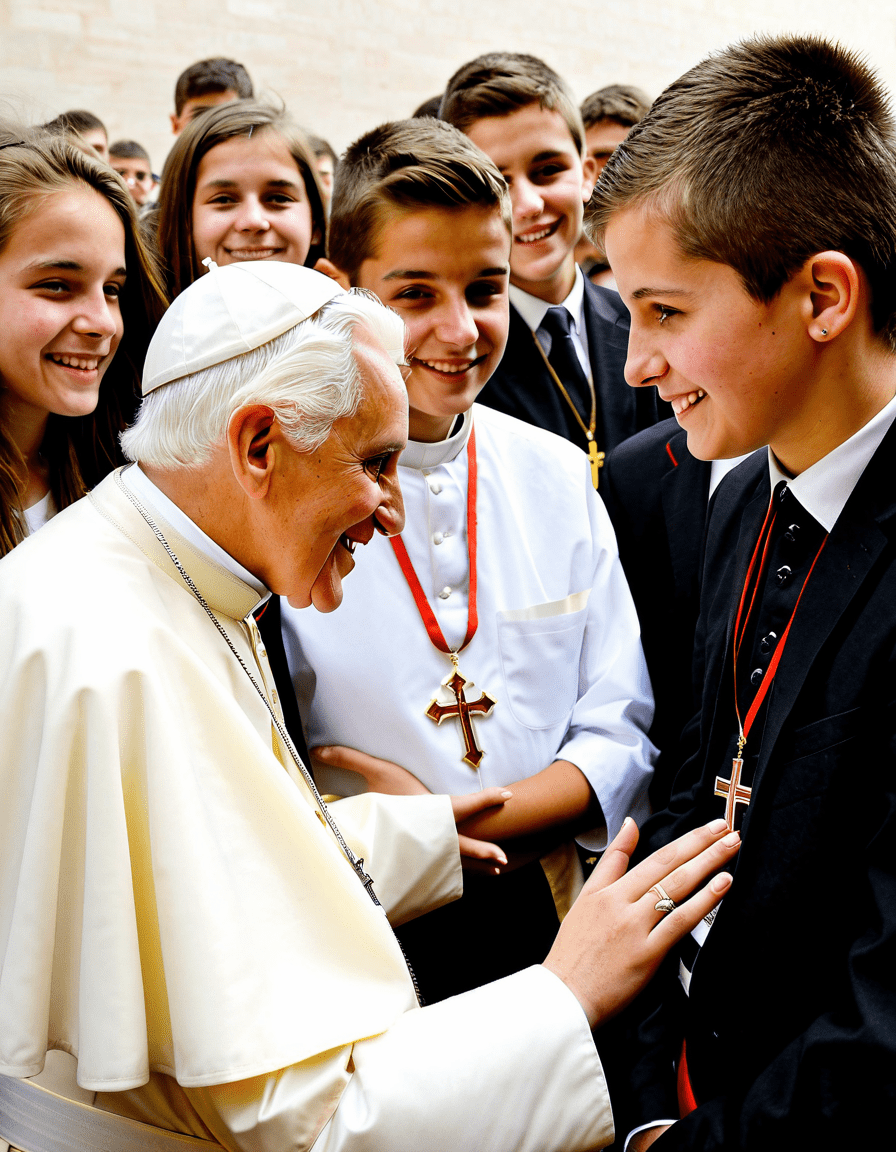
Pope Benedict XVI, born Joseph Ratzinger, stands as a monumental figure in the evolving narrative of the Catholic Church. His papacy, spanning from 2005 to 2013, was marked by a steadfast commitment to intertwining faith and reason. This integration was rooted in his rich academic background as a theologian, allowing him to convey vital philosophical and theological positions that continue to reshape contemporary Catholic thought. As we delve into his legacy, we’ll explore how Pope Benedict XVI’s profound ideas resonate and remain relevant today, creating a dialogue that transcends time.
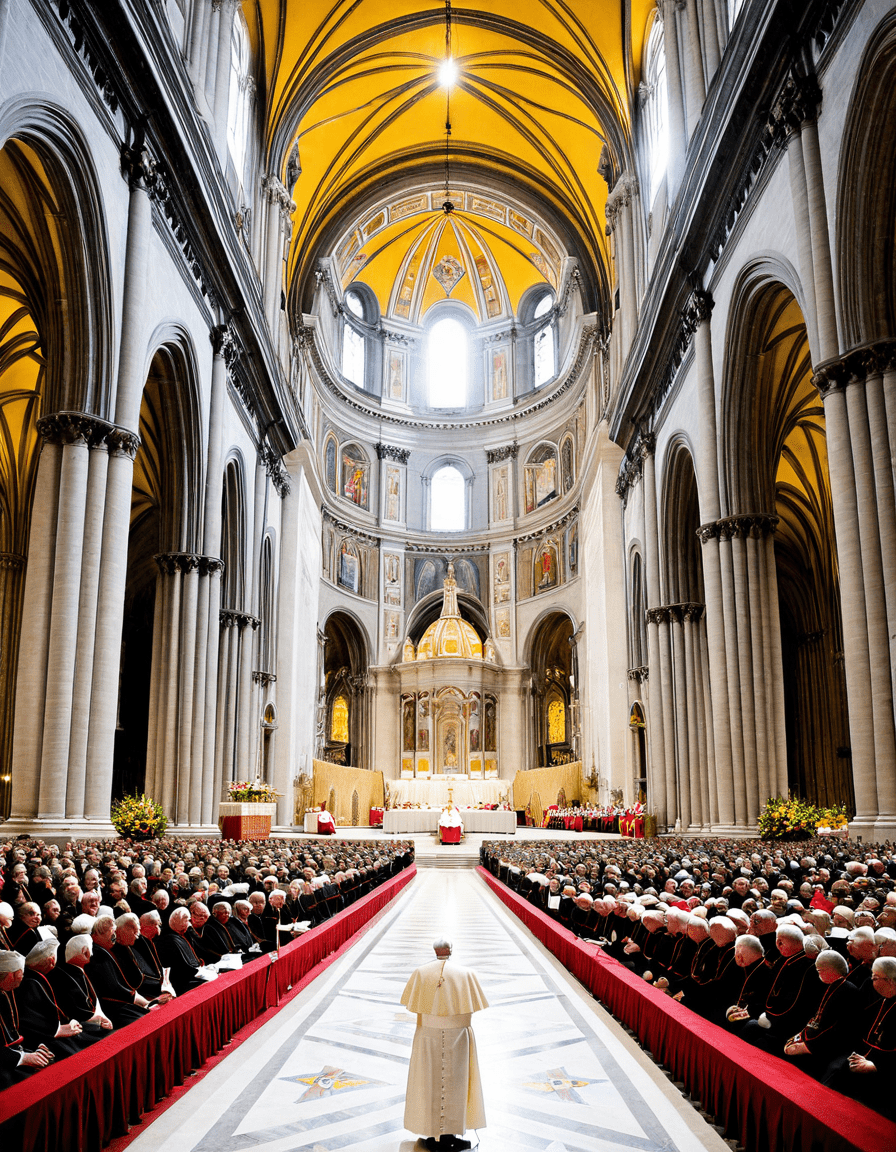
The Intellectual Journey of Pope Benedict XVI
1. The Integration of Faith and Reason
One of the foundational pillars of Pope Benedict XVI’s teachings was the unbreakable connection between faith and reason. Drawing extensively from the works of his predecessor, Pope John Paul II, he warned that a faith lacking rational inquiry often spirals into dogmatism. His provocative address at Regensburg in 2006 challenged both religious and secular audiences to reassess their interpretations of God and reason. Benedict urged that faith should actively engage with the intellectual challenges posed by modernity, promoting a dialogue that drew from various traditions, including secular philosophies.
The implications of this dialogue are profound. By calling for this engagement, Pope Benedict XVI aimed to elevate Catholic discourse, encouraging believers to embrace an intellectually rigorous faith. He wanted the faithful to be equipped with a strong foundation that allows them to navigate the complexities of a rapidly changing world. This teaching is significant not just for Catholics but offers insights for anyone wrestling with their beliefs amidst contemporary challenges.
2. Ecumenism and Interfaith Dialogue
Inheriting a legacy from Pope John Paul II, Pope Benedict XVI approached ecumenism with a distinctive and candid lens. While his predecessor emphasized unity through shared beliefs, Benedict was determined to address fundamental doctrinal differences. His meetings with leaders from various faiths—like the groundbreaking meeting with the Archbishop of Canterbury—highlighted a genuine longing for deeper dialogues rooted in truth rather than mere consensus.
This commitment to sincere engagement was particularly evident in his interactions with the Islamic community. By embracing the complexity of faith, Pope Benedict XVI placed himself at the forefront of interfaith dialogue, asserting that recognizing differences can lead to a more profound understanding of each other’s beliefs. This notion that unity is possible through clarity has implications that extend beyond religious discussions, resonating in various fields striving towards harmonious coexistence amidst diversity.
3. The Emergence of Pope Francis and the Continuity of Legacy
The ascension of Pope Francis marked a new epoch for the Catholic Church. However, the threads connecting his papacy with that of Pope Benedict XVI are undeniable. Bishop Robert Barron articulated that while Francis champions pastoral care and merciful outreach, the robust theological groundwork laid by Benedict continues to inform these themes.
Between the two popes, there exists an intertwining narrative that reveals how the Church can adapt its traditional doctrines in response to contemporary issues. Pope Francis’ more informal style contrasts with Benedict’s rigorous intellectualism, but together, they create a tapestry of discourse on the Church’s role and relevance. This evolution reflects a dynamic Church that honors its past while fearlessly facing the future.
Key Contributions of Pope Benedict XVI to Modern Christianity
Examining the legacy of Pope Benedict XVI, it’s clear that he made significant contributions to how faith coexists with reason in modern Christianity. Here are seven critical areas of impact:
1. Emphasizing the Sacramental Nature of Reality
Encapsulated in encyclicals like Deus Caritas Est, Benedict underscored the sacramental perspective of existence. He conveyed that believers encounter the divine through the material world, urging them to recognize the sacredness in every aspect of life. This sacramental view deepens one’s appreciation for life, bridging the divide between the spiritual and the tangible.
2. Defense of the Faith in a Secular Age
In writings such as Faith and Reason, Pope Benedict XVI encouraged Catholics to staunchly defend their beliefs against prevailing secular ideologies. His words inspire believers to engage intellectually with contemporary culture rather than retreating into isolation. This robust engagement fosters a platform for articulating faith in a credible manner within a skeptical society.
3. Commitment to Human Dignity
Continuing the ethos established by Pope John Paul II, Benedict XVI championed the dignity of the human person throughout his papacy. He spoke earnestly about pressing ethical challenges in bioethics and human rights. His reflections on the sanctity of life provide critical insights for Catholic Social Teaching, especially amidst the increasing ethical dilemmas faced in our modern world.
4. The Role of Beauty in Worship
Pope Benedict XVI possessed a profound understanding of beauty’s role in faith. His appreciation for liturgy and art, notably advocating for traditional forms of Mass, highlighted how beauty elevates spiritual experiences. This emphasis calls believers to recognize beauty as an essential vehicle through which faith is expressed and experienced.
5. The Significance of the Youth
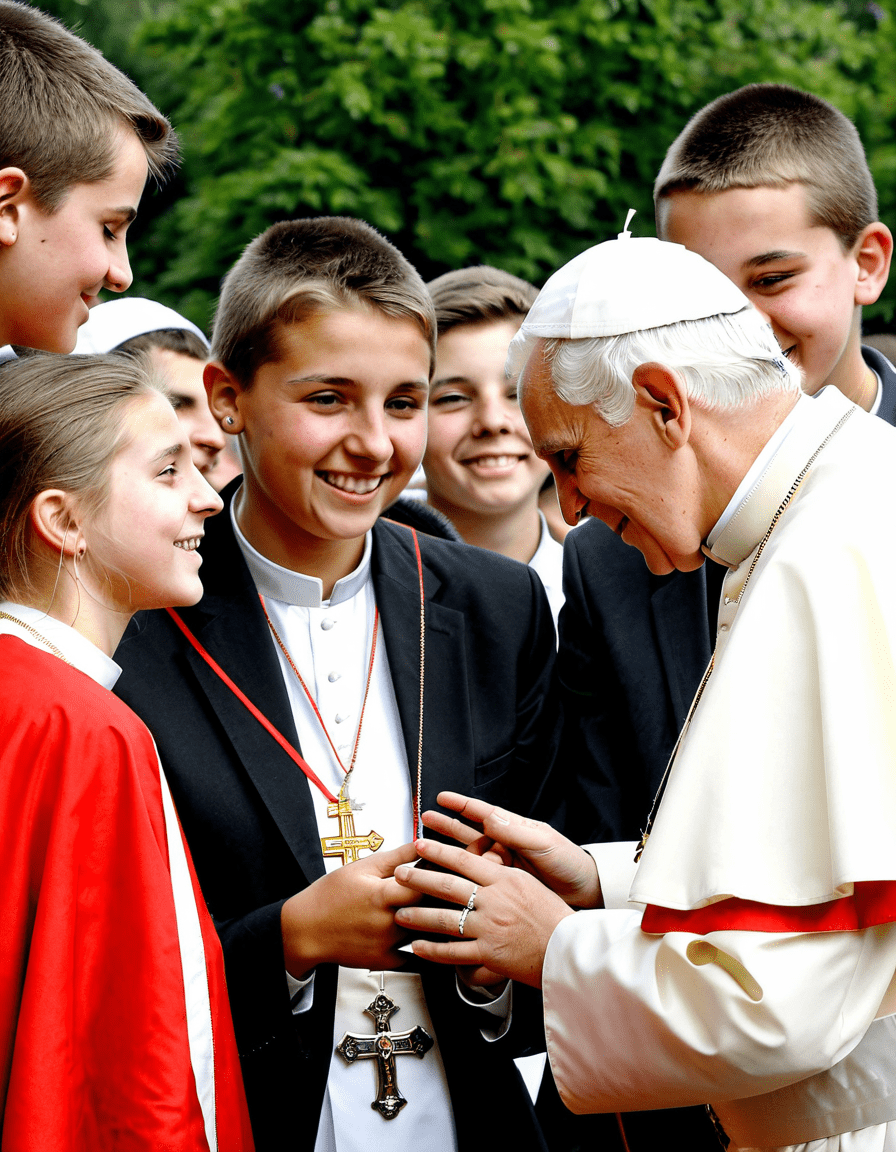
Recognizing the essential role of young people in the Church, Benedict initiated events like World Youth Day. These gatherings encouraged youth to deeply engage in their faith, making it relevant in a contemporary context. This outreach effort acknowledges the importance of nurturing the next generation of believers.
6. The Importance of Tradition
Pope Benedict XVI firmly believed in the continuity of the Church’s tradition amidst modern challenges. He asserted that tradition should guide contemporary practices instead of hindering them. This perspective provides believers with stability and a reminder that their faith is rooted in a history that merits exploration.
7. The Relationship Between Science and Faith
In his pursuit of bridging gaps, Pope Benedict XVI engaged with scientific communities, working to dissolve the stereotype of an adversarial relationship between faith and science. Discussions around topics such as evolution and the Big Bang revealed his vision for a harmonious coexistence, showing that faith can embrace scientific progress without undermining belief.
The Enduring Influence of Pope Benedict XVI
As the Catholic Church navigates the future, the influence of Pope Benedict XVI remains undeniably pertinent. His unwavering commitment to intellectual engagement offers a guiding light for believers grappling with doubts in a secular age. His emphasis on rich conversations and ecumenism serves as a reminder that dialogue about faith must be rooted in a profound understanding of its principles and traditions.
Pope Benedict XVI’s legacy is an invitation to contemporary believers to approach their faith with thoughtful engagement, urging them to reckon with the complexities and challenges posed by modern life. As we reflect on his contributions, it becomes clear that his legacy of faith and reason continues to inform and enrich the discourse within the Church and beyond. In a world that desperately seeks answers, the teachings of this remarkable pope remind us that faith never exists in isolation; it’s a dynamic interplay of beliefs, traditions, and heartfelt inquiry.
Pope Benedict XVI: Bridging Faith and Reason
A Scholar’s Journey
Pope Benedict XVI, born Joseph Ratzinger, wasn’t just a religious leader; he was a brilliant theologian with a deep understanding of faith. After a life steeped in academia, he became one of the youngest bishops in Germany before the age of 40. Interestingly, much like how the choices of today’s investors are influenced by trends—like when Cathie Wood Buys tech stock, showing a shift in market dynamics—Benedict’s theological pursuits reshaped modern Catholicism. His work emphasized a balance between faith and reason, encouraging believers to engage critically with their beliefs.
Emphasis on Dialogue
A hallmark of Pope Benedict XVI’s papacy was his commitment to dialogue—not just within the church but with other faiths and cultures. He understood the butterfly effect well; small changes in attitude could lead to broader acceptance and understanding. This philosophy was evident in his meetings with leaders from various religions and his engagement with contemporary issues. His legacy encourages us to see the importance of connection in fostering peace, much like how the intricate plots of DC Comics often intersect, illustrating the journey of heroes from different backgrounds coming together in a common cause.
Cultural Touchstones
Beyond theology, Benedict’s influence reached into popular culture, occasionally sparking debates about the role of faith in modern media. Films like Licorice Pizza showcase how art interacts with society, reflecting the spiritual questions people grapple with. Just as a character’s decision can alter their fate, so too did Benedict’s teachings make waves across diverse fields, pushing many to consider the moral implications of their actions. His journey illustrates that even leaders navigate their own challenges, akin to the suspense in Dark Winds season 3, where every choice can lead to different outcomes.
Pope Benedict XVI’s legacy reminds us that faith and reason are not separate but intertwined, encouraging deeper reflection amidst the noise of contemporary life. The quest for truth in a world filled with distractions, like figuring out the evening plans through TV guide Listings For tonight, remains timeless. His teachings urge both the faithful and seekers of wisdom to engage thoughtfully with life’s pressing questions—a message that resonates with the importance of finding mental health Solutions in an increasingly troubled society.