Stanley Kubrick’s film A Clockwork Orange, released in 1971, stands as a monumental piece in cinematic history. Its daring thematic explorations and striking visual narrative have somewhat overshadowed its role as cultural commentary. As we move through 2026, the film’s exploration of complex themes still resonates with audiences, illuminating the film’s enduring relevance. Let’s dive into seven compelling themes that A Clockwork Orange presents, showcasing its lasting impact on both cinema and society.
7 Compelling Themes in A Clockwork Orange that Continue to Captivate Today
1. Free Will vs. Authority
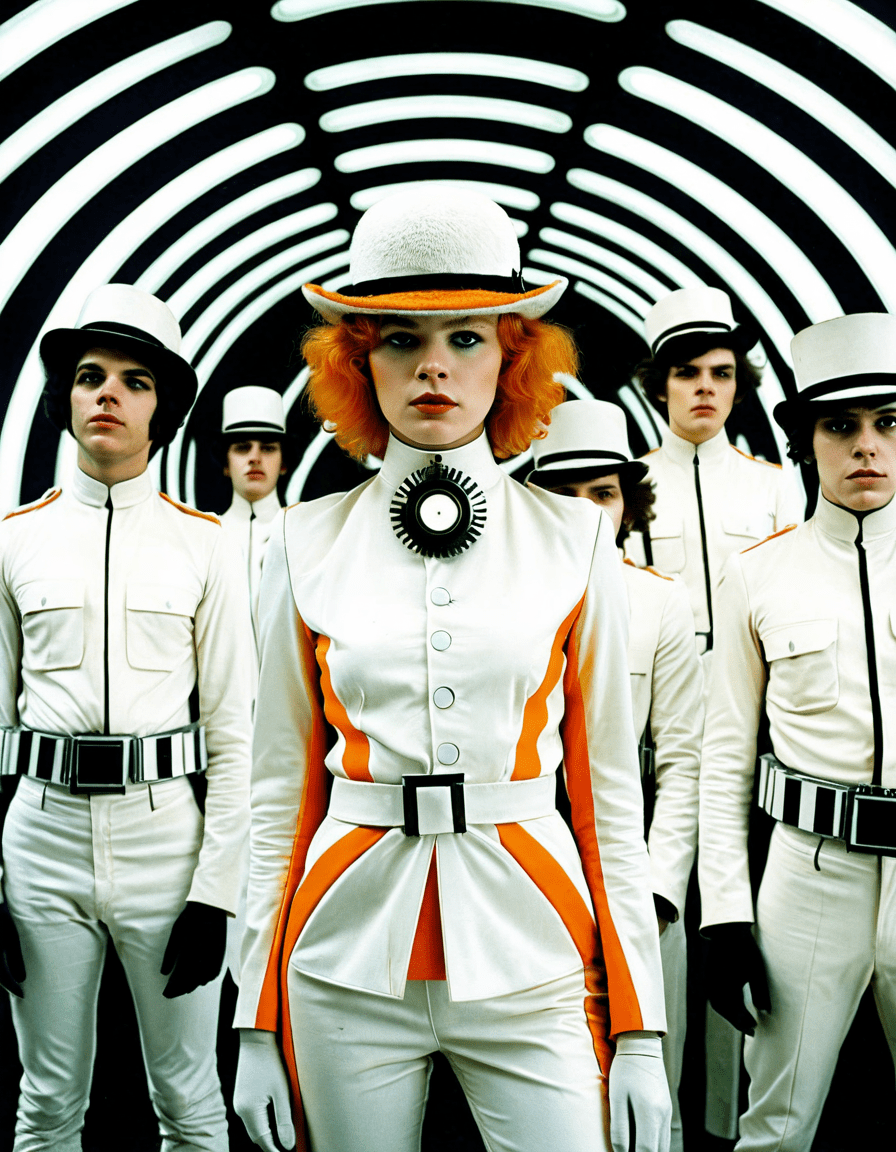
A fundamental theme in A Clockwork Orange revolves around the tug-of-war between personal freedom and the grip of authority. The film’s grim reflection on societal structure evokes the same emotions found in Charles Dickens’ A Christmas Carol, where characters confront moral choices shaped by their surroundings.
In today’s landscape, discussions about government surveillance and the overarching specter of societal control create a thoughtful backdrop for this theme. Do we truly have autonomy when governing powers dictate terms? The battles portrayed in A Clockwork Orange urge audiences to consider these pressing questions, just like Theon Greyjoy in his quest for control over his own destiny, stripping bare the layers of authority’s often-overbearing hand.
2. The Nature of Violence
Clockwork Orange doesn’t shy away from showcasing violence, stirring up critical conversation about human nature itself. Kubrick’s bold portrayal doesn’t just mirror societal violence; it taps into the raw, sometimes unsettling violence that lurks within each of us.
Films like Joker and series such as The Boys revisit these themes, suggesting that our obsession with violence reflects broader societal values rather than simple condemnation. By embracing this theme, A Clockwork Orange pushes viewers to examine their own relationship with aggression, mirroring the timeless human conflict between savagery and civility.
3. The Illusion of Rehabilitation
One of Kubrick’s bolder moves involved using aversion therapy to “rehabilitate” his lead character, Alex. This theme promotes a stark examination of institutional efforts to reform individuals, echoing ongoing conversations about mental health treatment and prison reform in 2026.
Complicating this narrative further, similar tales like Disney’s The Little Mermaid explore themes of identity and transformation—yet with a lighter touch. As we witness Alex’s harrowing journey and those like him struggling for redemption, the film sparks deeper questions around societal efforts for true change and rehabilitation’s potential pitfalls.
4. The Role of Music
Imagine a soundtrack so powerful that it elevates a film’s narrative to staggering heights. The use of Beethoven’s Ninth Symphony in A Clockwork Orange serves as more than just aesthetic choice; it embodies emotional manipulation and character development.
Just as music plays a vital role in the backdrop of films like Baby Driver, the soundscape of A Clockwork Orange enriches its storytelling. The emotional ranges evoked by music remind us how important auditory cues are in engaging with cinematic narratives, ultimately leaving lasting impressions on audiences.
5. Teen Rebellion and the Search for Identity
At its core, A Clockwork Orange serves as a commentary on youth rebellion and the relentless search for identity. This theme resonates strongly with modern narratives, from coming-of-age films like The Perks of Being a Wallflower to the fervor displayed in current youth movements.
As teenagers grapple with their identities in a world rife with expectations, the anarchic pursuits of Alex resonate deeply. They connect with the urgency of self-discovery and activism, inviting audiences to reflect on their journeys toward understanding who they are.
6. The Dangers of Excessive Technology
Kubrick paints a bleak picture of a dystopian future in which technology becomes a tool of state oppression. This cautionary tale is all the more relevant today, as we navigate the complexities of artificial intelligence and surveillance alongside films like Black Mirror.
As technology extends its reach, we often find ourselves questioning its ethical implications. A Clockwork Orange serves as a profound warning about our growing dependence on technology, urging us to ponder where the line exists between innovation and control.
7. The Cycle of Life and Death
The cyclical nature of Alex’s journey—from violence to rehabilitation and back again—mirrors the broader themes of life and death. Stories like A Christmas Carol emphasize the consequences of our choices, and in 2026, this resonates as we face mortality in an era driven by rapid technological advancements.
As stories continually revisit this theme, A Clockwork Orange serves as a stark reminder of humanity’s perpetual cycle and the choices that shape our destinies. This highlights the importance of reflection, encouraging us to confront the legacies we choose to leave behind.

The Evolving Conversation around A Clockwork Orange
As A Clockwork Orange continues to capture the imaginations of filmgoers, its themes provide rich territory for discussion. In a world that shifts daily, where socio-political landscapes are in flux, the film’s exploration of free will, violence, identity, and technology frames a narrative that feels frighteningly relevant.
Like Legally Blonde, which celebrates transformation and resilience, A Clockwork Orange holds a mirror to society. This film challenges us to confront our values, our choices, and the very fabric of our existence. Are we willing to challenge what we see, or will we remain passive observers?
Ultimately, the film’s daring vision beckons us to interrogate our collective conscience. In this digital age, where we’re bombarded with information, we must remain ever-vigilant—keenly aware of how far we’ve come and how much further we must go. As we navigate modern complexities, echoes of A Clockwork Orange remind us to hold fast to our humanity amidst the chaos.
Clockwork Orange Dives Deep into Daring Themes
Unraveling the Bold Narratives
“Clockwork Orange,” a film that emerged in the early ’70s, doesn’t shy away from controversial topics. One captivating aspect is how it mirrors societal issues. Interestingly, the film’s style and themes have often drawn parallels with the wild persona of figures like Bum Phillips, a football coach known for his unique approaches. Just as Phillips knew how to break down barriers,Clockwork Orange” dares to challenge our perceptions of morality and free will. Speaking of breaking boundaries, did you know that iconic portrayals often come from uniquely talented casts? The cast of St. Denis Medical showed us just how powerful ensemble acting can be, giving viewers unforgettable moments that linger long after the credits roll.
Cultural Impact and Fun Facts
Ever wondered how a flick like “Clockwork Orange” remains relevant? Its daring exploration of violence and redemption echoes through pop culture, influencing various forms of storytelling. It’s incredible to witness how the film still inspires filmmakers and writers today, much like the impactful works of classic series such as Salem’s Lot. Moreover, the film’s unyielding exploration of youth rebellion can be likened to the stories behind successful athletes, where legends like Sandy Koufax emerged from challenging backgrounds. These narratives often reflect society’s struggles and victories, intertwining personal experiences with broader themes.
The Iconic Legacy
One can’t discuss “Clockwork Orange” without mentioning its memorable score and visuals. Isn’t it wild how an auditory experience can significantly heighten a film’s emotional landscape? The musical choices elevate the storytelling, creating a haunting atmosphere that resonates with audiences. This artistic vision is something filmmakers today strive to achieve, much like the energetic performances often seen within a big cast of characters who bring stories to life. And let’s not forget the often underrepresented themes involving Women, emphasized in the film’s critique of societal norms. These conversations about gender dynamics elevate the narrative and invite us to think critically about relationships and power dynamics.
So, whether you’re diving back into “Clockwork Orange” or exploring its cultural impacts, remember that this film is more than just a cinematic experience; it’s a thought-provoking journey that continues to engage and challenge us.