Diving into Crime and Punishment by Fyodor Dostoevsky isn’t just about reading a classic novel; it’s about embarking on a dark journey through morality, guilt, and redemption. This iconic tale delves into the very essence of human nature and the complexity of our moral compass. The themes echo through literature, film, and the heart of society itself, demanding that we confront the often uncomfortable questions surrounding what it means to be a sinner and the punishments we face for our misdeeds.
As we peel back the layers of this intricate framework, we see a multitude of characters – each battling their own demons and wrestling with the consequences of their actions. This exploration isn’t just a tale of crime and punishment; it’s about reflecting on our perceptions of justice, guilt, and what it means to truly seek redemption. So buckle up, as we traverse this thought-provoking landscape where morality clashes with real-world dilemmas.
Exploring the Complex Framework of Crime and Punishment
Crime and Punishment sets the stage for a deep dive into the psyche of those who commit sins. It raises the notion of whether anyone is truly above the moral laws that govern society. Raskolnikov, for instance, believes himself justified in his horrific actions, an idea echoed in many contemporary narratives, both fictional and real.
This exploration of morality brings us to the question: how do we define a sinner? What are the repercussions when someone crosses the line? In this complicated tapestry, the journey toward understanding morality leads us to confront not just characters from novels and films, but also figures from history and current events. The eternal struggle—much like that of i wan na eat Your pancreas (a poignant example of confronting mortality)—is ongoing and rife with implications.

The Top 5 Sinners of Morality and Their Consequences
Let’s take a closer look at five pivotal examples of sinners whose journeys illustrate the tangled relationship between morality, crime, and the consequences they face.
Raskolnikov embodies the archetypal sinner in Dostoevsky’s narrative. He commits murder under the delusion of being superior to the moral constraints that bind the rest of humanity. His internal struggle and descent into madness showcase the heavy toll of crossing moral boundaries. Raskolnikov’s confession and subsequent guilt illustrate the powerful idea of internal punishment, a theme that resonates throughout literature and real life.
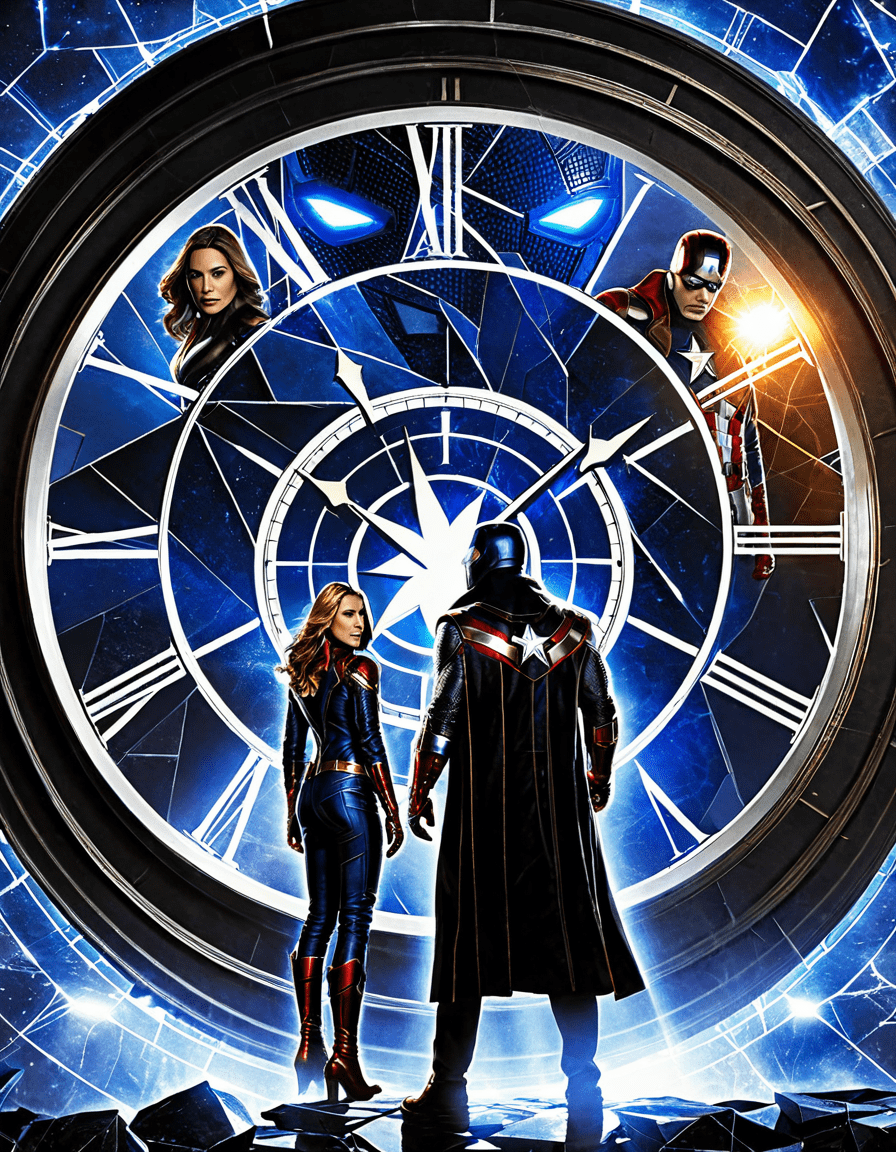
On a more cosmic scale, Thanos—played masterfully by Josh Brolin—believes he’s a savior of the universe. His belief that wiping out half the population is a necessary evil to curb suffering reveals a twisted morality. The Avengers cast him as a villain, yet his perspective complicates matters, positing him as a sinner acting for a greater cause. This dichotomy shows how societal labels can distort our understanding of morality, much like how Komi Can’t Communicate characters navigate their own social norms and expectations.
Dante’s exploration of sinners in the Inferno stands as a testament to the moral parameters of souls condemned to eternal punishment. Each punishment fits the sin, from the gluttons to the wrathful, illustrating a meticulous system of cosmic justice that transcends cultural boundaries. Dante’s work forces readers to confront their own perceptions of sin and the retribution that follows, much like how societal views on justice evolve over time.
Walter White’s journey from a humble high school teacher to a drug overlord highlights the transformation of a “normal” man into a sinner. His motivations are initially sympathetic, but as he becomes entrenched in crime, ambition consumes him. This series illustrates the idea that punishments can often be self-inflicted, leading Walter to experience considerable loss and moral decay, echoing themes of eternal damnation found in literature.
Frank Castle—known as The Punisher—operates in a gray area, exacting revenge on criminals who slip through the justice system. While he believes in punishing those who wronged him, his violent methods challenge the very notion of justice. He becomes a complex figure, oscillating between heroism and villainy, eliciting questions about the nature of morality and whether true justice can ever be served without crossing ethical lines.
The Role of Morality in the Evaluation of Crime and Punishment
Understanding morality isn’t just about the sins of individuals; it’s also about delving into broader societal constructs that shape our view of justice. Factors like race and class inequality can skew perceptions of who is deemed a sinner and who is fit for redemption. Movements such as Black Lives Matter illustrate how the consequences of crime and punishment can differ drastically based on these dynamics, drawing parallels to Raskolnikov’s own fate when he grapples with societal judgments.
Contemporary narratives continue to echo the sentiments of Crime and Punishment. Just as Dante’s depictions resonate today, so too do current events, where injustices rooted in systemic bias amplify societal fears. The pattern of how different cultures interpret sins reveals everything from legal repercussions to social ostracism. This inquiry doesn’t just end with examining literature but extends into real-world implications, necessitating continuous dialogue about justice and morality.
Incendiary Themes in Literary and Real-World Contexts
In literature, incendiary themes can ignite conversations around morality and justice, often mirroring the moral quandaries that societies face today. The stories and conflicts reflect deep fears, exposing the fabric of socio-political landscapes, like Mike And Molly—a comedic portrayal that often tackles serious themes about relationships and societal expectations.
In a world rife with complexity, it becomes apparent that the paths to redemption are rarely clear-cut. Characters, both fictional and real, illustrate the dualities of sinner versus traitor, leading us to question the fairness of punishments dictated by society. The lines between right and wrong blur, highlighting a human journey laden with difficulties, much like the efforts made by figures such as Chloe Cherry, who navigate their identities against societal judgments.

Reflections on the Nature of Punishment: Eternals, Traitors, and Redemption
As we meander through the dark labyrinth of crime and punishment, we come to reveal the various forms that punishment can take. These range from societal shunning to legal consequences, and even to the internal battles fought by those deemed sinners. The difference between traitors and sinners invites scrutiny, especially as public and private judgments converge.
This ever-evolving tapestry of narratives invites readers to ask crucial questions about morality: Is punishment absolute? Or does it fluctuate with the tenor of personal experience? Much like exploring the phenomena surrounding a phoenix and a black hole, the concepts of justice and morality can be both illuminating and utterly confounding in their intricacies.
Ultimately, this examination of crime and punishment paints a rich picture of humanity’s struggle against its darker impulses. While sins might be universal, the moral benchmarks that direct punishments often differ across cultures and time periods. This exploration fosters a continual dialogue surrounding human nature, compassion, and the overarching quest for justice, encouraging each of us to reflect on our positions in this complicated moral landscape.
With narratives spanning from ancient literature to contemporary discourse, the intertwining themes of crime and punishment reach far beyond mere storytelling. They resonate within us all, pushing the envelope on how we understand right, wrong, and everything in between—a poignant reminder that our journey through morality is anything but straightforward.
Crime and Punishment: Unraveling Its Dark Journey Through Morality
The Intriguing Layers of Morality in Crime and Punishment
Did you know that crime and punishment have been themes explored not just in literature, but also in various forms of entertainment? Take a minute to think about characters we may relate to or hate; they shape our views of what’s just or unjust. For instance, the morally ambiguous characters in “Komi Can’t Communicate” add depth to everyday dilemmas, showing us that even the most relatable people deal with shades of gray. This complexity can also be seen in pop culture, like Tamsin Egertons roles, where her characters often face their own moral tribulations.
Interesting trivia: The term “brooding hero” often comes to life in shows and films, echoing Dostoevsky’s characters. It’s fascinating to see how modern-day narratives evoke emotions similar to those stirred by classic literature. And speaking of interesting interpretations, “Phoenix: A Black Hole” brings mystery by merging science with moral quandaries, inviting audiences to ponder the weight of their decisions—similar to the existential debates in crime and punishment.
The Impact of Cultural Portrayals
Now, shifting gears to how crime and punishment are depicted in sports and other arenas, the Dallas Cowboys cheerleaders have become icons of cultural representation. Their discipline is comparable to the moral training faced by Dostoevsky’s characters as they wrestle with guilt and redemption. Just like a juggernaut, these themes push through time, making us think about our own decisions and the consequent judgments we may face.
On a lighter note, did you know that in literature, the metaphor of a worm can symbolize both treachery and the inescapable consequences of betrayal? This duality hits home in crime and punishment, where minor offenses can lead to catastrophic downfalls. Connecting this allegory back to our everyday lives, it’s intriguing to see how moral choices, however small, ripple through our actions, much like the ripples produced in a pond by a tossed stone.
As we close this exploration, it’s clear that crime and punishment is more than just a literary theme; it’s a mirror reflecting societal beliefs and personal struggles. The twisty paths of morality resonate not just in iconic characters, but through our own choices every day. So next time you read or watch a story punctuated by crime, think about how far it stretches into the realm of morality—and how each decision shapes our world.