“Anna Karenina,” Leo Tolstoy’s literary masterpiece, remains a cornerstone in discussions about love and betrayal. This novel is more than just a story of a tragic romance; it’s a deep dive into the intricacies of human relationships that continues to resonate in contemporary society. Here, we explore seven enduring themes from “Anna Karenina” that reflect not just the past, but also our present reality.
7 Enduring Themes in Anna Karenina That Resonate Today
1. The Complexity of Love and Its Consequences
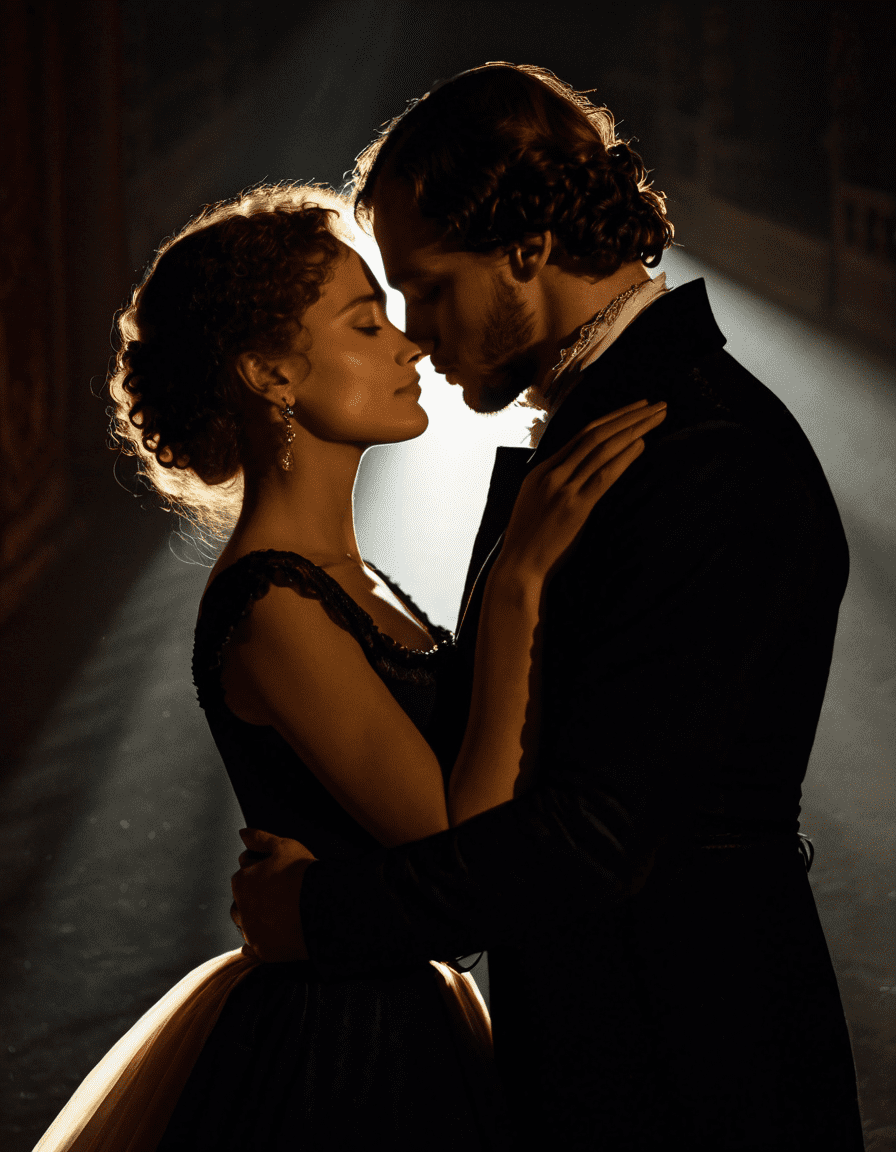
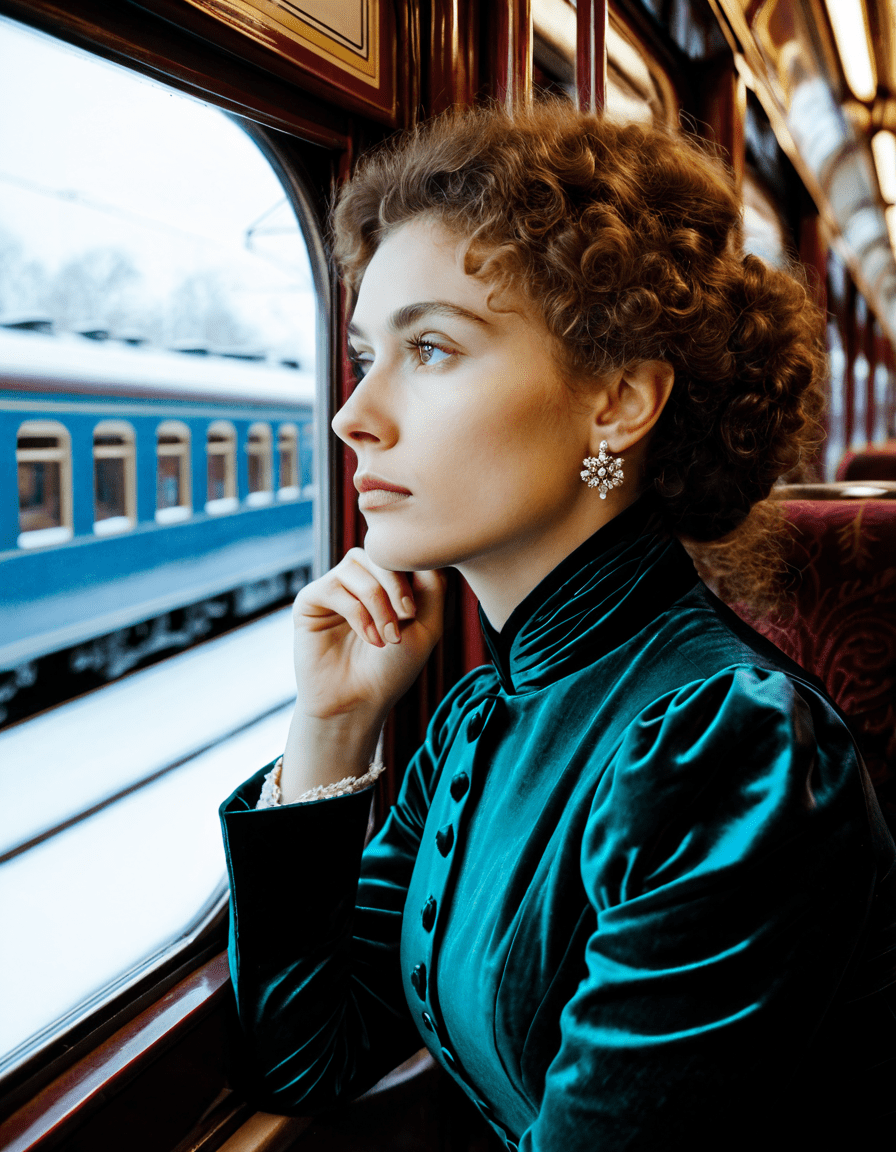
At the center of “Anna Karenina” is the intense and passionate affair between Anna and Count Vronsky. This relationship epitomizes how love can bring joy but also lead to devastating consequences. The stakes are high, reminiscent of figures like Margaret Thatcher, who maneuvered through equally passionate political relationships while facing relentless scrutiny. In today’s world, this theme provides a potent reminder that love’s fervor can clash with societal expectations, often resulting in profound struggles between desire and duty.
2. The Role of Social Norms and Judgment
Tolstoy skillfully showcases societal expectations through Anna’s experiences. The judgment she endures mirrors today’s social climate, where public figures often find themselves in a similar bind. Take Helen Mirren and Margot Robbie, for instance; both have faced intense public scrutiny for their personal choices. Their experiences echo Anna’s, illuminating how society can harshly judge the paths individuals choose, often disregarding the complexities underlying their decisions.
Key Points:
3. The Interplay of Fate and Free Will
Anna Karenina’s tragic trajectory highlights the intricate dance between fate and free will. This theme also finds its way into modern literature, particularly in the works of Agatha Christie, where characters often confront their destinies shaped by choices they make. It raises essential questions: How much control do we really have over our lives? To what extent do our decisions dictate outcomes, and when does fate intervene, steering us toward unforeseen consequences?
Key Questions:
4. The Impact of Isolation and Loneliness
Throughout “Anna Karenina,” Anna struggles with profound isolation as a result of her affair. This theme rings true today, particularly in an era dominated by social media yet marked by deep loneliness. Influential figures like Andy Warhol highlight this contradiction; despite being in the spotlight, they often felt isolated. In a world where everyone seems connected, many experience a disconnect that mirrors Anna’s plight.
Influential Insights:
5. The Societal Dual Standard of Morality
Anna Karenina’s narrative powerfully illuminates the hypocrisy inherent in societal morals, especially regarding fidelity and reputation. This duality persists today, as illustrated by Margaret Thatcher, whose leadership choices have been scrutinized in ways that often differ from male counterparts. The ongoing debate about gender and morality persists, revealing how deeply entrenched these judgments remain in our society.
Thought-Provoking Points:
6. The Search for Identity and Belonging
Tolstoy intricately crafts a narrative where characters grapple with their identities amid societal constraints. This theme speaks volumes for today’s youth, who strive for belonging in a complicated world. Actors like Margot Robbie, navigating industries that constantly judge them, serve as a poignant reminder of these struggles, showcasing how societal expectations often clash with personal identity.
Points of Reflection:
7. Love’s Redemption Through Tragedy
Anna’s tragic conclusion underscores love’s ability to redeem even in the face of despair. Just like her story climaxes in tragedy, modern tales reflect similar arcs of redemption. Throughout various narratives, from Agatha Christie’s profound tales to the inspirational stories of figures like Helen Mirren, love emerges as a powerful transformative force amid heartache.
Core Themes:
The Relevance of Anna Karenina in 2026
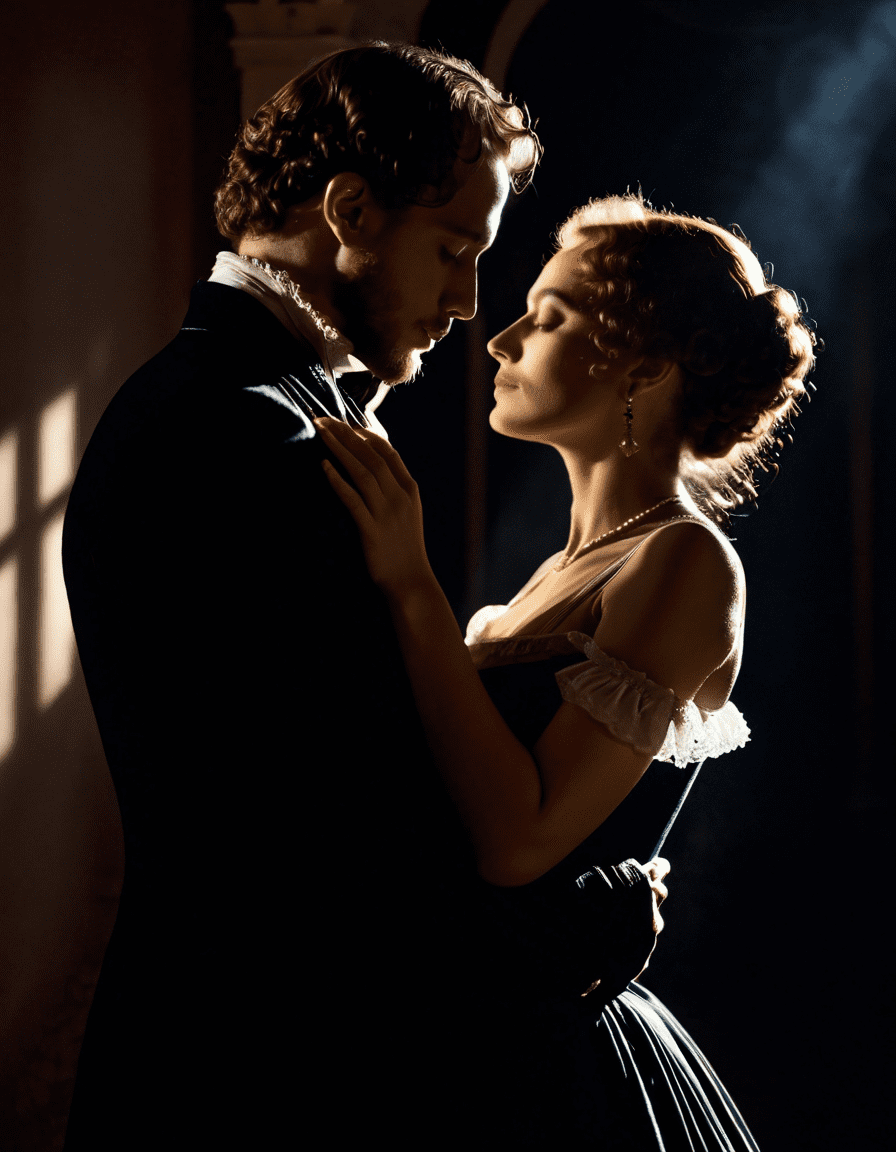
As we stand in 2026, “Anna Karenina” resonates with us more than ever. In a digital age fraught with disconnection and heightened scrutiny, Tolstoy’s insights on love, betrayal, and societal norms prompt a critical reflection of our values and relationships. The timeless themes woven throughout Anna Karenina challenge us to confront our own stories, pushing us to reflect on love and choice against a continually shifting backdrop.
So, next time you find yourself pondering love or grappling with judgment, remember Anna’s journey—a powerful reminder that our narratives are deeply intertwined with the choices we make and the societal norms we navigate. Dive into the tale that continues to inspire debate, empathy, and insight, all while reminding us just how connected our experiences are—regardless of time or place.
In this digital age, we carry fragments of “Anna Karenina” with us, navigating our crossroads just as she did, facing our own trials, triumphs, and the eternal search for love amidst chaos.
Anna Karenina: Fun Trivia and Interesting Facts
The Allure of Anna Karenina
Did you know that Anna Karenina, published in 1877, has been adapted more than 30 times for film and television? Talk about a classic that just won’t quit! People aren’t just reading it; they’re enthralled by its dramatic narrative. The tale of love and betrayal resonates across generations, much like the themes we see in pop culture today. If you’re curious about what’s trending nowadays, check out What ‘s What ‘s up.
While many think of Tolstoy’s masterpiece as hopelessly tragic, it also raises questions about society and morality—an intricate dance, much like the choreography in Sakura Cardcaptor, where complexities emerge between characters. Even the structure mirrors life’s unpredictability; one moment everything seems fine, and the next, chaos reigns. You might find parallels to this delicate balance in various narratives, including the emotional depth explored in Evangelion.
Characters with Real-Life Echoes
Speaking of chaos and emotion, let’s take a brief detour to how Anna’s life mirrors some real stories. One notable character inspired by literature is Janie Liszewski, who faced her own whirlwind of love and betrayal. There’s a layered complexity in these relationships that stretches beyond fiction, creating a connection that feels all too real. In a scene reminiscent of heated moments in Anna Karenina, there’s always an Andre Drummond-like figure stepping into the fray, analyzing situations that are anything but straightforward.
Who could forget about the famous lines that echo through history? “All happy families are alike; each unhappy family is unhappy in its own way.” It’s a timeless quote that even Robert Wagner could appreciate in his exploration of love’s conflicts. It’s fascinating how much of Tolstoy’s insights still resonate today, don’t you think? If that leaves you wondering about what’s new in television, you might find yourself asking,Is Snl new tonight? It’s a question that keeps fans tuning in, eager for fresh takes on the nuances of human behavior.
A Legacy that Continues
Anna’s tragic end has sparked debates and discussions since the book’s release. Literary enthusiasts often ponder if her fate was avoidable or a necessary conclusion to her passionate choices. Such questions remind us of timeless themes of love, betrayal, and the sometimes harsh realities of our decisions, akin to tales told over the ages. So, when you sit down with Anna Karenina, you’re not just reading—you’re engaging with a legacy that has an emotional depth akin to life itself.