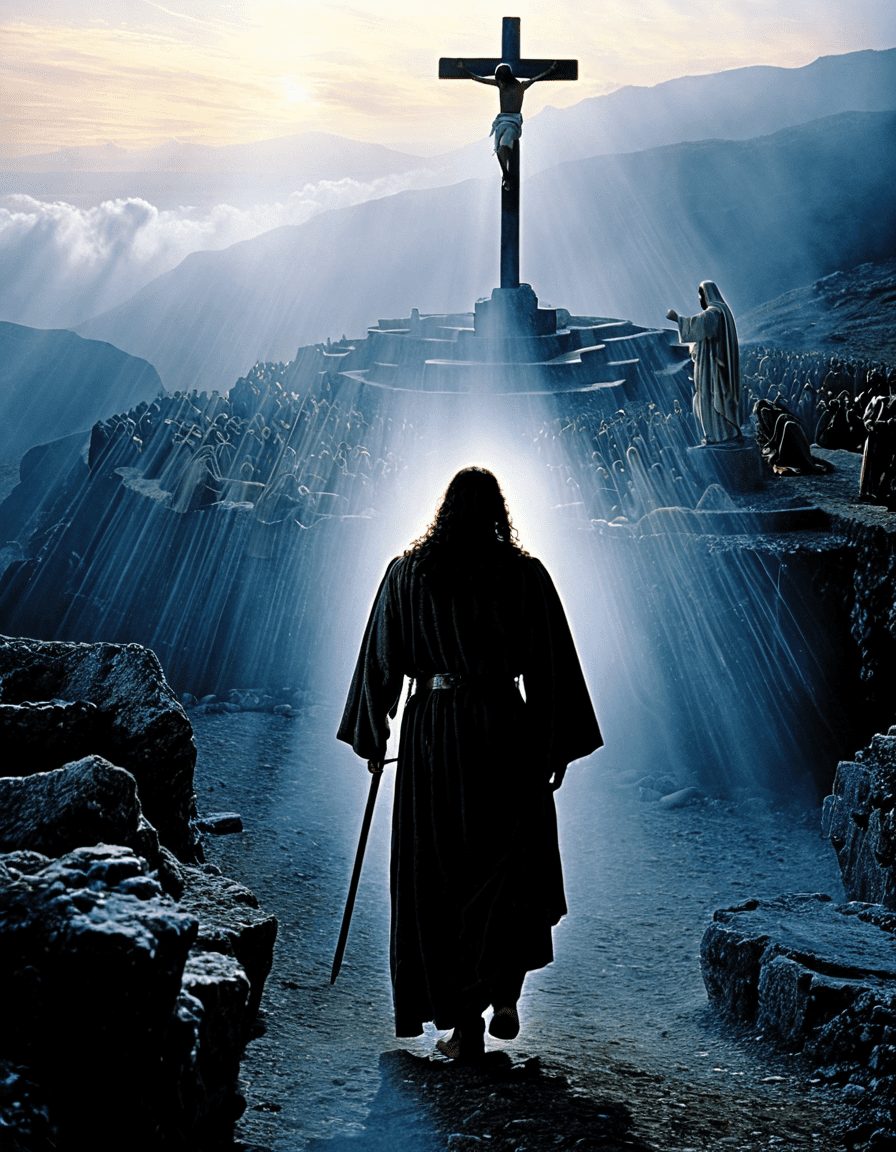
“The Passion of the Christ” isn’t just a film; it’s a phenomenon that continues to resonate more than two decades after its release. Directed by Mel Gibson in 2004, this intense portrayal of Jesus Christ’s final hours captivated audiences worldwide. With its emotional depth and stark realism, the film transcends cultural boundaries, igniting discussions about spirituality, faith, and suffering. Through its evocative storytelling, “The Passion of the Christ” reflects the timeless themes of sacrifice, redemption, and human devotion, making it a pivotal cultural artifact.
The Cultural Impact of The Passion of the Christ
Since its debut, “The Passion of the Christ” has stirred countless emotions and discussions across various cultures. Its graphic depiction of violence and the profound human experience of suffering not only raised eyebrows but also prompted deeper reflections on faith among its viewers. Through personal stories shared by audiences, the film became a catalyst for conversations about the inherent struggles of belief in a modern world often overshadowed by division.
The film’s powerful imagery and narrative structure draw audiences into an emotional experience like no other. Whether one is a devout believer or just an intrigued observer, watching “The Passion of the Christ” acts as a universal invitation to reflect on the core values of humanity. As we navigate our own lives, grappling with personal sacrifices, the film’s themes remain relevant, touching hearts and sparking profound dialogue.
Moreover, the movie’s impact extends beyond the screen. It opened up channels of communication about faith in increasingly secular societies. In a time when discussions about morality and belief can feel polarizing, “The Passion of the Christ” has become a bridge, connecting different viewpoints while emphasizing the importance of understanding and compassion.

Top 5 Compelling Themes in The Passion of the Christ
1. Sacrifice and Redemption
At the film’s center lies the powerful theme of sacrifice, epitomized through Christ’s selflessness. The visual narrative brings forth powerful character arcs, particularly through Mary’s emotional journey, highlighting the cost of devotion. Her heartbreak serves as a poignant reminder of the personal price paid for love and faith.
2. The Duality of Faith and Doubt
Characters frequently grapple with faith and doubt, reflecting the complex nature of belief. These internal battles resonate with audiences, as they often echo our own spiritual journeys. It’s a relatable reminder that doubt does not negate faith; rather, it enhances our understanding of it.
3. The Power of Forgiveness
Forgiveness stands as a cornerstone of Christ’s message throughout the film. This theme is showcased in moments where Christ’s teachings challenge societal norms that promote retribution. It encourages viewers to think deeply about the true essence of mercy and our ability to forgive.
4. Historical and Cultural Context
Gibson’s film deftly intertwines first-century Jerusalem’s sociopolitical backdrop with the passion narrative. Understanding this context enriches the viewer’s experience, showcasing how political pressure and cultural expectations influenced pivotal moments in the story. This historical depth makes our devotion to the narrative even more profound.
5. Visual and Emotional Storytelling
The film’s compelling cinematography, paired with John Debney’s haunting score, creates a lasting emotional impact. Its intense visuals evoke visceral reactions, guiding audiences through the poignant arc of pain and despair to reach a place of hope and renewal.
The Artistic Techniques That Enhance the Passion of the Christ
One of the standout features of “The Passion of the Christ” is its innovative artistic techniques that enhance emotional connection. The filmmakers employed various strategies that contribute to its enduring allure:
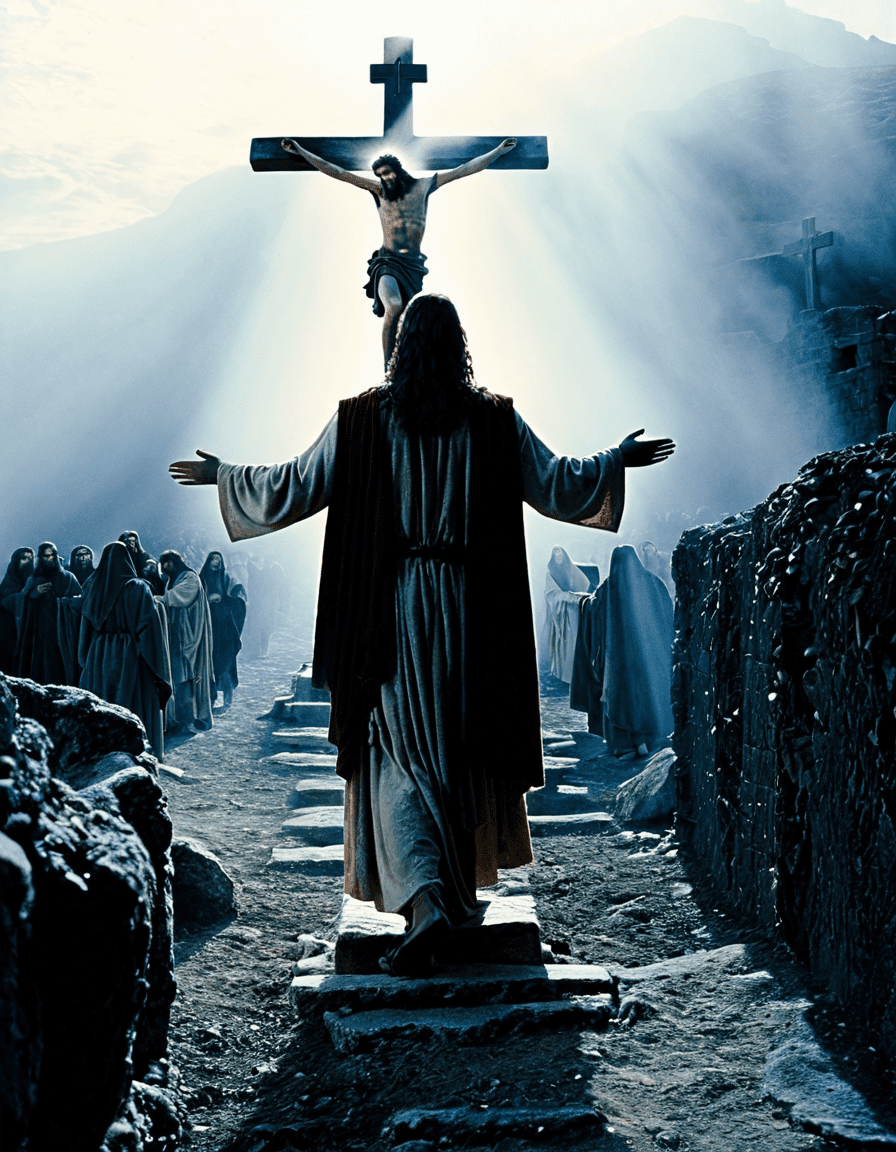
The Ongoing Relevance of The Passion of the Christ
Now, as we approach 2026, “The Passion of the Christ” remains a relevant topic in conversations surrounding faith and love. Themes from the film reverberate throughout society, reminding us of our collective desire for understanding amidst a backdrop of division. The anticipated sequel, “The Resurrection,” brings excitement, as audiences are eager to see how Gibson deepens this exploration of hope and renewal.
In a world where misunderstandings breed conflict, the film serves as an anchor, emphasizing the importance of love and forgiveness in our communities. Its messages resonate in various discussions concerning morality, a reflection that remains timely as societies grapple with uncertainty.
Perspectives from Scholars and Critics on The Passion of the Christ
Scholarly perspectives on “The Passion of the Christ” emphasize its role as a vehicle for Christian evangelism. Richard Shenk argues that the film challenges audiences to confront their beliefs, consulting narratives historically significant in Christianity. Meanwhile, film critic Roger Ebert noted that while the film’s violence is striking and, perhaps, troubling, it ultimately conveys a profound theological message.
Such varied viewpoints spotlight the movie’s ability to provoke debate, inviting audiences to engage with its themes on numerous levels. This constant discussion reinforces its status as a notable cultural artifact, showcasing the movie’s impact across generations.
Wrapping Up the Impact of The Passion of the Christ
“The Passion of the Christ” stands as a testament to film’s power in exploring intricate themes of faith, sacrifice, and devotion. Continual reflection on the film prompts audiences to challenge their perceptions while driving conversations about what belief truly means. It captivates hearts and minds, ensuring its place in cinematic history as an enduring exploration of the human condition grounded in faith.
Ultimately, whether revisiting the movie’s intense imagery or pondering its deeper implications, “The Passion of the Christ” invites all viewers on an emotional and spiritual journey that refuses to fade with time. Its relevance in today’s divided world serves as a reminder: love, forgiveness, and sacrifice transcend generations, echoing sentiments that remain at the core of our shared humanity.
The Passion of the Christ: Captivating Devotion
A Cinematic Phenomenon
Did you know that “The Passion of the Christ” is not just a film but a cultural touchstone that has sparked discussions about faith and filmmaking techniques? Directed by Mel Gibson, its raw emotional power captured the attention of audiences worldwide—much like how Gregory Pecks performances captivated hearts in classics like “To Kill a Mockingbird. Interestingly, Gibson faced criticism and scrutiny, yet he persisted, believing in the project’s significance. Similar to Harry Trumans stubborn determination in political decisions, the film broke box office records and remains relevant in today’s discussions about religious narratives in cinema.
Behind the Scenes
Here’s a quirky tidbit: the production faced serious challenges, including a commitment to authenticity. The filmmakers used Aramaic, the language spoken by Jesus, to give it a semblance of truth. This dedication is reminiscent of the creativity in shows like “Phineas and Ferb,” where attention to detail makes every episode enjoyable. Plus, if you’re curious about the film’s release, it was initially met with mixed reviews—akin to how music like Morrisseys can provoke strong reactions, whether love or criticism. Nevertheless, it garnered acclaim and established a strong fanbase over the years, showing that sometimes, the most polarizing works hold a special place in the hearts of audiences.
Impact and Legacy
The film’s legacy stretches beyond the confines of its runtime. The heart-wrenching visuals and acting led to deep reflections about spirituality, similar to how the Golden Girls tackled significant life lessons wrapped in humor. Yet, the influence doesn’t stop there; it has inspired numerous discussions—including unexpected topics like menstruation crustacean—a completely different kind of drama! Interestingly, Jack Osbourne seemed to echo some sentiments about faith when discussing personal struggles, further showing how these themes resonate across various cultural spectrums.The Passion of the Christ” reminds us how art can reflect life in beautiful yet poignant ways, resonating long after the credits roll.
So, whether you’re examining personal beliefs or just contemplating the artistry involved, “The Passion of the Christ” stands as a testament to the transformative power of storytelling. And remember, amidst the extensive discussions surrounding its content, embracing diverse perspectives—just like those shared by Vanessa Williams—is essential to fostering understanding in this multifaceted world.