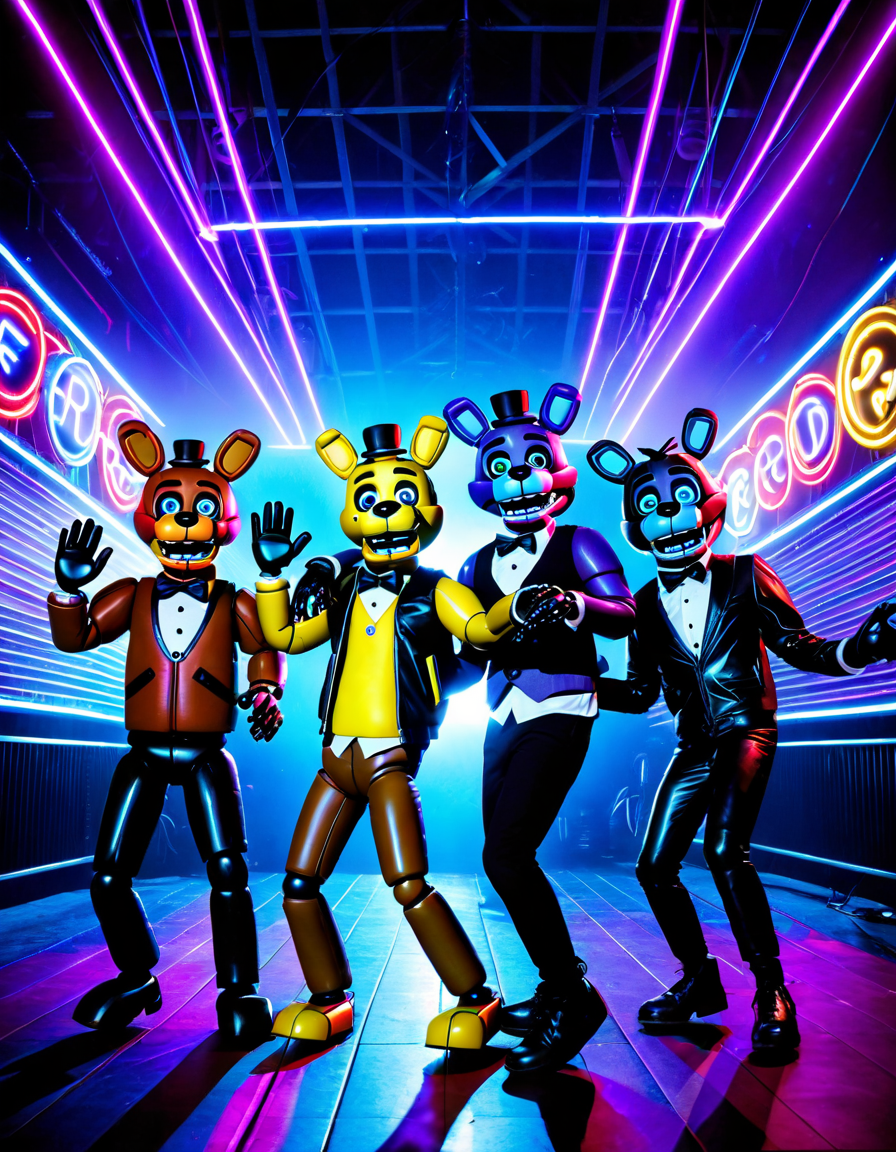
Five Nights at Freddy’s 2, lovingly referred to as FNAF 2, has solidified its place in gaming history as a cultural phenomenon. Launched in 2014 by indie game developer Scott Cawthon, this sequel expanded upon the original game’s lore and gameplay mechanics, effectively marrying nostalgia with sheer dread. Players are plunged into the nightmarish world of Freddy Fazbear’s Pizza, where they are tasked with monitoring a horde of animatronics that wander the restaurant after hours. The game not only stirs feelings of fear but also prompts introspection about the anxieties it evokes. Over the years, FNAF 2 has become a cornerstone of gaming culture, influencing countless other titles and capturing the imaginations of millions.
Cawthon’s brilliance lies in the gameplay mechanics that enhance the sense of dread. Unlike its predecessor, FNAF 2 introduces new characters like Toy Freddy and Mangle, reshaping the landscape of fear in a nostalgic yet horrifying way. The game’s unique combination of photographic surveillance and a cast of increasingly sinister animatronics creates an immersive atmosphere that keeps players gripping their controllers long into the night. This section will explore the psychological implications of fear in gaming, including how players navigate their real-life emotions of dread while engaged in the simulated horrors of FNAF 2.
## Five Nights at Freddy’s 2: Fearsome Animatronics Await
When you dive into FNAF 2, the fearsome animatronics are not just characters; they’re embodiments of psychological dread. Here are the top five animatronics that haunt players’ dreams:
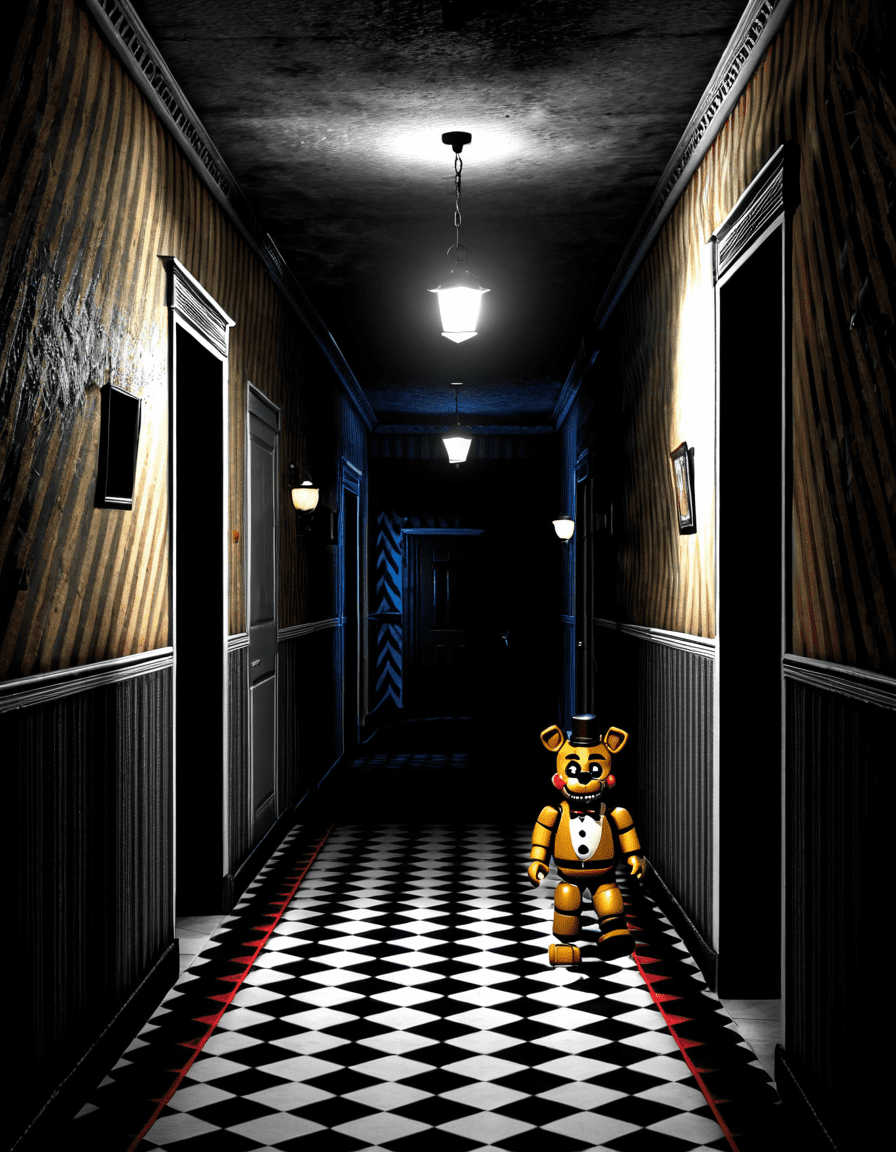
The Five Nights at Freddy’s Movie: Crossing Genres with Horror
With excitement building around the upcoming Five Nights at Freddy’s movie, the challenge lies in translating the game’s tense atmosphere to the big screen. The film’s creative team faces the daunting task of not just replicating the fear and nostalgia of FNAF 2, but also pioneering new storytelling avenues. Casting choices have already sparked conversation among fans, setting the stage for an adaptation that hopes to resonate with both die-hard followers and newcomers alike.
It’s crucial that the cinematic interpretation honors the original materials, including nods to iconic animatronics and gameplay elements that made FNAF 2 so memorable. The film must bridge the gap between nostalgia and modern cinematic techniques to captivate viewers, lest it fall into the trope of poorly adapted video game movies. Regardless of the direction the filmmakers choose, the anticipation remains palpable, echoing through forums and fan sites filled with speculations and theories.
In a sense, the movie adaption serves as another layer of engagement for the FNAF community. With discussions abounding on platforms like Rate Your Movies, fans are eager to see how the film will shape the narrative landscape of Freddy Fazbear’s domain. The interplay between film and game fosters a richer experience, infiltrating both mediums with the terrifying allure that defines FNAF.
The Lasting Impact of Five Nights at Freddy’s on Horror Games
Five Nights at Freddy’s 2 has redefined the boundaries of horror gaming, paving the way for indie developers to explore the depths of psychological terror. The game’s simple premise—using a camera to monitor nightmarish animatronics—profoundly influenced subsequent titles, infusing innovation in gameplay design. Many developers who cite FNAF 2 as an inspiration include the creators of popular games like Among Us and Dead by Daylight, who have also embraced the unique terror that arises from the fear of the unknown.
The psychological elements present in FNAF 2—including suspense and anxiety—have become a benchmark for horror games. By creating a singular experience where players confront continuous threats from characters like Withered Freddy and Mangle, the game has cultivated a fertile ground for horror narratives. These mechanics induce adrenaline rushes and a dance with dread as players navigate the dark realms of the game.
As the horror genre continues to evolve, FNAF 2 remains a touchstone shared across developer communities. The game’s methods, both simple and complex, push the boundaries of fear and make it a crucial reference for any aspiring game designer. The echoes of its influence can be traced through various titles, solidifying its place in the annals of horror gaming history.
Embracing Fear: The Psychology Behind Five Nights at Freddy’s
Why do players keep returning to FNAF 2, despite its gut-wrenching scares? A closer look at the psychology of fear provides the answers. The game serves as a conduit for individuals to confront their anxieties through the safety of pixelated horrors. This delicate balance is what keeps players glued to their screens, eager to tackle their fears head-on.
Engaging with fear can be therapeutic; it taps into the exposure therapy model, helping players confront their deepest insecurities. By immersing themselves in the chilling world of animatronics, players cultivate resilience and empowerment against their own fears. Community forums play a vital role here, as players share experiences and strategies, building a supportive environment that transforms anxiety into camaraderie.
This culture around FNAF fosters a sense of community, as gamers rally together to face challenges. The psychological thrill of navigating the fearsome landscapes of Five Nights at Freddy’s ignites discussions and friendships.
In summary, Five Nights at Freddy’s 2 encapsulates a thrilling blend of nostalgia, fear, and interactive storytelling. Its rich legacy continues to resonate, evolving through adaptations like films and influencing future gaming titles. While the fearsome animatronics patiently await, the haunting allure of the FNAF saga promises to linger for generations to come, solidifying its foundational role in the horror genre and gaming culture.
Five Nights at Freddys 2: Fearsome Animatronics Await
Behind the Screams
Did you know that “Five Nights at Freddy’s 2” is a prequel to the original game? This thrilling sequel introduces players to a new set of nightmarish animatronics, including the mischievous Mangle and the ghastly Puppet. The game cleverly ramps up the tension with varied gameplay mechanics that keep fans on their toes. Interestingly, the franchise has managed to maintain its cult following, akin to the surprises you’d find in a classic like Steel Magnolias, as emotions and unraveling backstories intertwine beautifully.
The lore of Five Nights at Freddy’s 2 dives deeper than just fearing those jump scares. Millions have fallen into the rabbit hole of fan theories online, leading to discussions as animated as the chatter around viral stars like Tana Mongeau. Just like fans dissect the scenes of Jaws Cast, enthusiasts of FNAF analyze every pixel for clues about the haunted history of Freddy Fazbear’s Pizza. The passion exhibits how dedicated the gaming community is when it comes to unpacking narratives and experiences.
Unconventional Surprises
One of the quirky trivia bits about Five Nights at Freddy’s 2 is how it has inspired countless spinoffs and merchandise, making everything from T-shirts to nail Designs For short Nails a popular pick among fans. With such a massive following, it’s no wonder the game frequently shows up on platforms like Rateyourmovies for players to share their ratings and thoughts. It’s a testament to how deep this franchise runs; the connection fans have to it feels as true as the camaraderie found in rodeo legends like Lane Frost.
When players engage with Five Nights at Freddy’s 2, they aren’t just playing a game; they’re immersing themselves in a chilling narrative that echoes events seen in the likes of artists like Omar Apollo. The haunting designs of animatronics lead players through a maze of suspense and dread, topped with a layer of nostalgia for classic horror tropes. Just like an Amazon sale offers a treasure trove of unexpected finds, navigating the eerie setting of Freddy’s reveals countless surprises and secrets waiting to be uncovered. Ultimately, FNAF 2 is as much about the experience as it is about the scares, showcasing how exciting the world of horror can be.