Understanding the Ghost in the Shell Phenomenon
The term “ghost in the shell,” which hails from the Japanese manga and anime, sparks profound inquiry into consciousness, identity, and what makes us human—in a world increasingly interlinked with technology. The original work by Masamune Shirow poses questions that echo in today’s discussions around artificial intelligence and cybernetics. By exploring a fictional universe that bleeds into reality, we challenge and expand our understanding of humanity.
In “Ghost in the Shell,” cyborg characters highlight the overlap between human emotion and machine logic. It’s not just sci-fi; it’s a lens through which we examine our own lives. As technology continues to infiltrate our existence, we must ask ourselves how much of our essence can be replicated or replaced. This notion of a “ghost” in a machine resonates, compelling us to dissect our realities and beliefs.
As we delve deeper into AI advancements—such as OpenAI’s ChatGPT or Neuralink’s ambitions—it’s evident that these themes are more than theoretical. They manifest in ethical dilemmas that are fast become pressing issues in our modern landscape, urging us to engage with the core essence of existence.

Top 5 Cybernetic Philosophies in ‘Ghost in the Shell’
At the core of “Ghost in the Shell” lies the age-old question reminiscent of Descartes: how does the mind connect with the body? This series blurs the lines between human consciousness and machine intelligence, allowing us to ponder whether our minds are tied to our organic forms or can thrive independently. Think about it; if a computer can simulate human emotion, is there truly a difference?
Enter Major Motoko Kusanagi—a cyborg who possesses a human brain—provoking significant inquiries into self-identity. What defines us? Is it our memories, physical presence, or the experience continuity of consciousness? This dilemma isn’t merely fiction; it mirrors our current digital identity crises, especially in an age where social media and virtual reality shape our self-perception. It’s a bit like the mischief and chaos of the “cat in the hat” cast—identity can be fluid.
“Ghost in the Shell” sends a clear message: technology shapes our society just as much as we create it. The way advanced machines dictate personal and collective lives is a valid concern in our tech-oriented culture today. As we heavily rely on devices, how does this impact our autonomy in decision-making and interpersonal relationships? As we embrace AI, we must also acknowledge its influence—much like in the burgeoning popularity of shows such as the Guardians Of The Galaxy 3.
The moral labyrinth surrounding the creation of sentient machines is front and center in “Ghost in the Shell.” The existence of AI like Sophia from Hanson Robotics nudges us to reevaluate ethical standards: should sentient machines have rights? How do we innovate responsibly while staying true to moral commitments? The stakes are high, and as these conversations grow, individuals like Elon Musk profoundly influence the trajectory of AI ethics.
Characters in “Ghost in the Shell” frequently grapple with existential crises. These reflections resonate with historical narratives, like that found in “Lady and the Tramp,” where love and belonging supersede mere existence. Just as these characters look for meaning, so do we in our technology-drenched world. Digital connections can’t replace human ones, and they never will—relationships matter.
Blending Fiction and Reality: The Impact of ‘Ghost in the Shell’ on Tech Culture
The interplay between “Ghost in the Shell” and actual technological developments is intriguing. For instance, consider the strides being made by companies like Neuralink. Founded by Elon Musk, this venture aspires to fuse human cognition with machine intelligence, raising questions about our very definition of humanity. The philosophical implications are monumental, akin to the innovation debates surrounding the “Cat in the Hat” cast—how much chaos can we bear before it challenges our human essence?
Fictional powerhouses affect tech culture profoundly. The vivid technologies envisioned in Shirow’s work encourage a new generation of developers and philosophers to think differently about innovation’s trajectory. From the realm of virtual reality to the integration of AI into our everyday lives, the groundwork laid by works like “Ghost in the Shell” pushes us toward an exciting yet morally questionable future.
Just as the Amazing World Of Gumball reflects whimsical but significant life lessons,Ghost in the Shell” provides a serious lens into the ethical frameworks necessary for future tech advancements. It fosters dialogue about what it means to blend human capabilities with advanced cybernetics.
A Comparative Look: ‘Cat in the Hat’ Cast vs. Cybernetic Characters
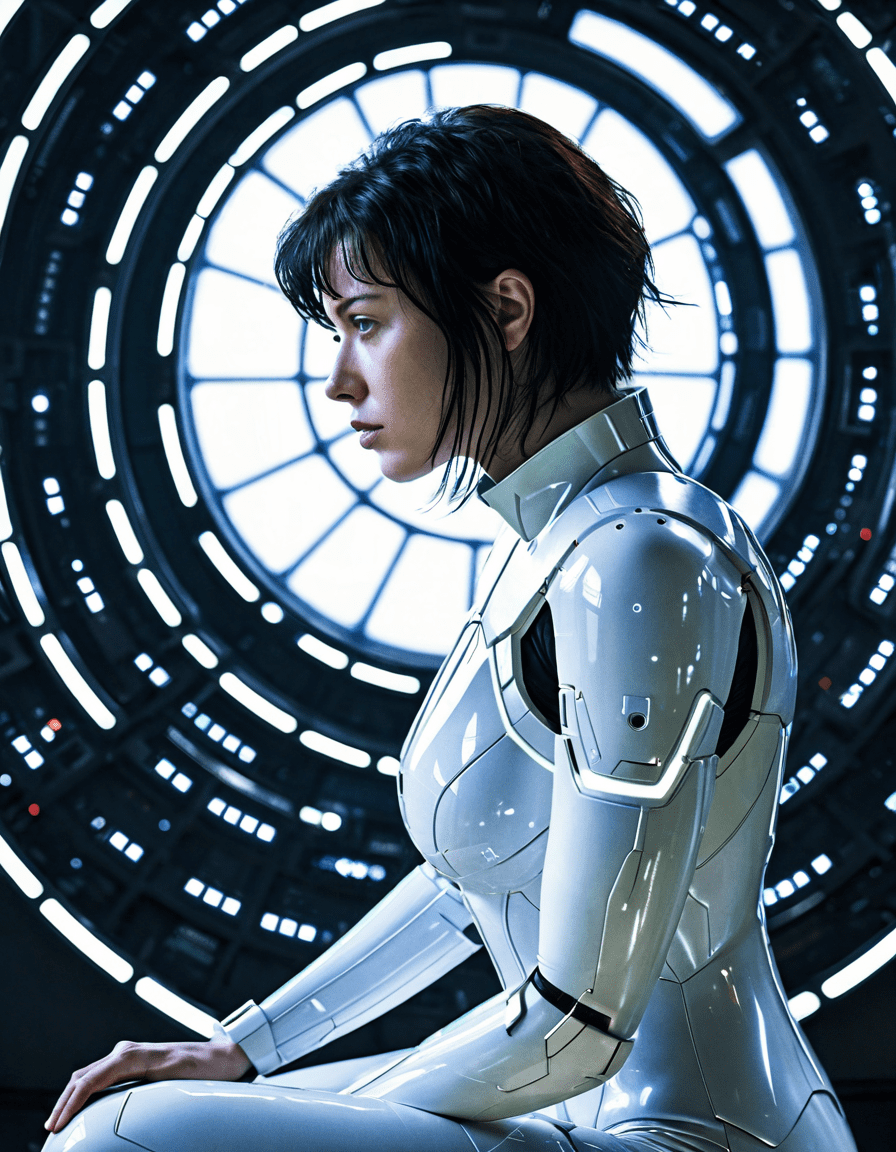
A whimsical comparison between the “Cat in the Hat” cast and the characters in “Ghost in the Shell” opens up fascinating conversations about identity. Where the Cat embodies joy and spontaneity, Major Motoko represents introspection and existential struggle. Both narratives explore the essence of identity but from entirely different angles—one light-hearted, the other deeply contemplative.
In both stories, characters symbolize different facets of humanity—chaos versus ordered existential inquiry. The Cat’s frivolity offers a stark contrast to the deep philosophical dilemmas faced by cyborgs. While the Cat dances around the house bringing laughter, Major Kusanagi traipses through a landscape of moral complexity, urging us to face our own spectrum of existence.
In a world teetering on the edge of fantastic advancements, we find ourselves at a crossroads between humor and introspection, playfulness and revelation. This duality makes both tales essential in understanding human nature in its fullest contexts.
The Future of Cybernetics: Potential Directions Inspired by ‘Ghost in the Shell’
As we cast our gaze to the future, the trajectory suggested by the questions posed in “Ghost in the Shell” is undeniable. The rapid growth of quantum computing, advanced neural interfaces, and genetic engineering ignites considerable discourse on shifting definitions of what it means to be human. We can only anticipate how fields like bioethics will evolve to accommodate the advancements ahead.
Thinking about the rapid rise of AI technology, we know innovation won’t come without its moral complexities. As systems evolve, so must our guidelines to navigate these labyrinths and harmonize progress with ethics. We’re at a pivotal moment—our ability to adapt is essential.
Emerging technologies promise that society will continue to redefine humanity. It’s vital we strive to maintain balance as we grapple with these advancements. As more tech becomes integrated with our biology, the question remains: how much of our humanity can we retain?
Beyond Technology: The Philosophical Implications of ‘Ghost in the Shell’
“Ghost in the Shell” serves as a powerful catalyst for ongoing discussions about the essence of consciousness and identity amidst rapid technological progress. This narrative urges us to reevaluate our understanding of humanity across various lenses—psychology, philosophy, ethics, and technology.
As we leap into 2026, technology continues to transform daily life. The themes promulgated by Shirow’s work remain important. They challenge us to invite dialogue that encourages ethical considerations while riding the wave of advancement.
In summary, engaging with “Ghost in the Shell” isn’t just a journey into cybernetic fiction; it’s a crucial conversation regarding our shifting identity. As we explore what it means to exist in this cybernetic society, embracing the discourse is imperative. This engagement will arm us with the insights necessary to thrive amidst progress, an essential focus as we forge forward into uncharted territories.
As we examine our paths, remember that every leap into technology is also a leap into the intricate patterns of our essence. From the frivolity of the “Cat in the Hat” to the somber weight of philosophical inquiry in “Ghost in the Shell,” our journey through existence remains a quest for meaning that transcends mere binary codes or heartbeats against silicon.
Embrace the dialogue. The future is ripe with possibilities, and our humanity depends on engaging thoughtfully with what’s next.
Ghost in the Shell: Fun Trivia and Interesting Facts
Cybernetic Inspirations and Cultural Impact
“Ghost in the Shell” isn’t just a popular anime and manga; it’s a cultural touchstone that has influenced everything from sci-fi cinema to philosophy. This pioneering series has sparked discussions about consciousness and identity, much like the themes explored in Jordan Peele’s movies, where questions about the human experience often arise amid thrilling narratives. Did you know the series was inspired by various facets of technology and philosophy? The creators pulled from the philosophy of dualism, echoing themes of human and machine that still resonate in contemporary media, much like the existential undertones of the Catch Me If You Can movie. It’s fascinating how stories urge us to ponder the very essence of being—whether human or otherwise.
Iconic Moments and Character Designs
The characters in “Ghost in the Shell” are a standout feature, with designs that resonate with audiences and inspire countless cosplays, similar to how the cast of the Fallout 2025 TV series reflects popular culture through their unique portrayals. Each protagonist contains a complex backstory that deepens the narrative—making them memorable and relatable. Perhaps you might not realize that Major Motoko Kusanagi’s character design has been influenced by a multitude of sources, which includes the same era’s pop icon style that you’d find in the timeless fashion of Cartier rings. Think about that the next time you’re mesmerized by her cybernetic appeal!
Evolution of Themes in Adaptations
“Ghost in the Shell” has evolved through various adaptations—each offering a different take on the original narrative. The live-action film adaptation brought new audiences and stirred debates similar to those sparked by the classic character of Tarzan. Every iteration maintains the key themes of consciousness and identity, compelling viewers to consider what makes us human in a tech-saturated society. If that sounds relatable, consider how innovations like Temu Curls can shift personal styles and self-perception, exemplifying how our identity can change with our surroundings. The conversations these adaptations ignite keep “Ghost in the Shell” relevant, serving as a continual invitation to explore our own definitions of humanity in an increasingly digital age.