Stephen King’s “It Chapter Two” dives deep into the terrifying psyche of its villain, Pennywise, played immaculately by Bill Skarsgård. This isn’t just a horror movie filled with jump scares; it’s a psychological exploration of human fears and the trauma we face as we transition into adulthood. The film’s unique approach to storytelling sheds light on not only the monstrous clown but also the deep-seated fears each character harbors. Throughout “It Chapter Two,” we’ve got a narrative that reads more like a masterclass in horror than just a conventional scary flick.
The Evolution of Pennywise: A Deeper Look into His Character
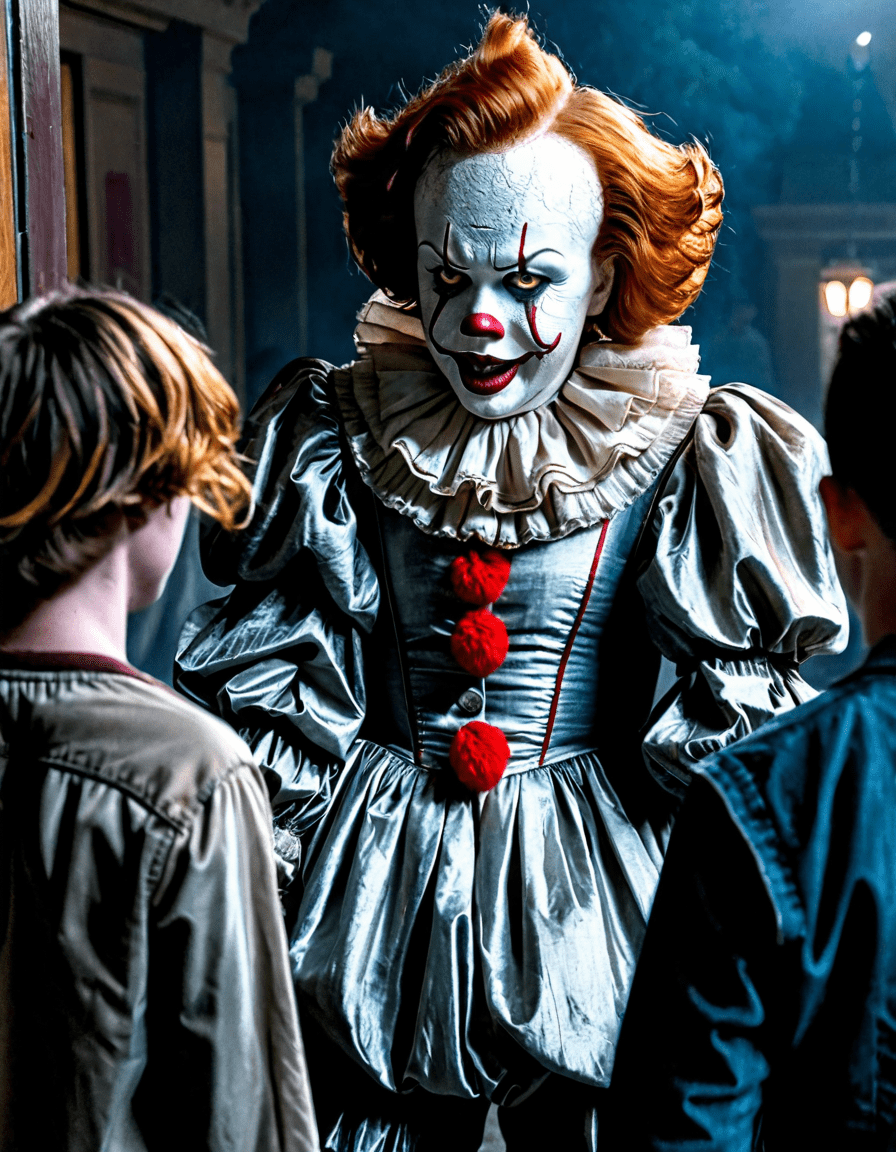
Pennywise is no ordinary horror villain; he has morphed over the years from the pages of King’s novel into a chilling figure in pop culture. In “It Chapter Two,” he symbolizes more than just an evil entity. He embodies the collective fears of a town haunted by its past. Interestingly, Pennywise thrives on individual phobias—he shifts and shapes himself based on the internal struggles of the characters.
Bill Skarsgård’s portrayal enhances this evolution, giving life to a character that sees beyond the surface of conventional horror tropes. The grotesque nature of Pennywise reveals societal fears such as trust and innocence, which are often shattered in real life. The character’s evolution serves as an eerie reminder that our fears, if left unaddressed, can manifest into something terrifying and monstrous.

Beyond the Surface: The Cultural Commentary of It Chapter Two
“It Chapter Two” goes further than chills and thrills; it’s a commentary on adult life and the baggage we carry from childhood. Each member of the Losers’ Club faces their own personal demons, making their journey relatable to anyone who’s grappled with the scars of youth. Much like the ensemble in “Nine Perfect Strangers,” these individuals come together, revealing shared traumas that draw audiences in.
The film digs deep into how survival mechanisms can transform in adulthood. It’s reminiscent of “A Quiet Place Day One,” where fear becomes a driving force for survival, emphasizing the struggles each character must endure against both external monsters and internal emotional battles. This layered narrative doesn’t simply entertain; it challenges viewers to reflect on their own fears and traumas, promoting a richer understanding of the human condition.
Pennywise Unmasked: The Symbolism Behind the Clown
The symbolism of Pennywise cannot be overstated. He represents the destruction of innocence and the distrust in the seemingly benign, particularly through the image of a clown—an archetype that typically brings joy, not fear. The transition from joy to horror highlights how quickly childish innocence can be lost.
Director Andy Muschietti’s vision captures this poignantly. Just as “A Quiet Place Day One” utilises sound to ramp up tension, “It Chapter Two” employs horrifying laughter and unsettling visuals to echo the loss of childhood innocence. For many, the film reflects their fears of adulthood—how dreams can morph into nightmares. By examining the subversion of the clown symbol, we unlock the deeper reasons why Pennywise evokes such visceral terror.
The Dreadful Influence of Childhood Trauma: Pennywise as a Reflection of Fear
Pennywise is more than just a boogeyman; he embodies childhood trauma that haunts his victims into adulthood. Each member of the Losers’ Club carries their own scars, and through them, Pennywise manifests their worst fears. His existence serves as a mirror, revealing how unresolved trauma can warp into something monstrous.
This concept is akin to the characters in “John Wick Chapter 1,” driven by loss and vengeance. The Losers’ Club faces a battle not just against Pennywise, but against their own histories. Their confrontations prompt audiences to ponder the weight of their own experiences. Childhood fears, if left unchecked, can loom indefinitely, as Pennywise chillingly illustrates.
The Cast of It Chapter Two: Bringing Pennywise to Life
A significant aspect of “It Chapter Two” is its ensemble cast, featuring talents like Jessica Chastain, James McAvoy, and Bill Hader. Their performances enrich the narrative, blending nostalgia with horror seamlessly. The chemistry among the cast members adds layers to character interactions, allowing viewers to connect deeply with their journeys.
This dynamic mirrors the family themes presented in “A Quiet Place Day One,” showcasing how closely knit relationships become fragile during crises. The cast’s ability to shift between playful banter and terrifying confrontations enhances the emotional stakes of the film. Their dedication brings an authenticity that resonates with anyone who’s struggled to confront their past, making “It Chapter Two” more than just a horror film—it’s a poignant exploration of shared human experiences.
The Role of Nostalgia in Horror: How It Chapter Two Taps into Collective Memories
“It Chapter Two” masterfully captures nostalgia—evoking memories of simpler times, tinged with the harsh realities of adulthood. The film draws on collective experiences that many of us can relate to, intertwining past joy with present fears. This tactic reminds viewers of the transformation from the carefree innocence of childhood to the burdens of adulthood.
The film’s flashbacks to childhood moments strikingly contrast with adult fears, paralleling themes found in “Nine Perfect Strangers.” It challenges audiences to confront their memories while grappling with unacknowledged angst. As older viewers recognize their younger selves in the characters, “It Chapter Two” becomes more than entertainment; it’s a vehicle for introspection.
The Lasting Legacy of Pennywise: Why He Endures in Pop Culture
The character of Pennywise has etched himself into the fabric of pop culture, transcending the boundaries of horror. His significance endures beyond the release of “It Chapter Two,” symbolizing universal fears of loss and vulnerability. This continuous relevance speaks to the collective human experience, affording Pennywise a spot alongside iconic figures like Samuel L. Jackson, whose impressive career mirrors the multifaceted nature of fear in various narratives.
Additionally, Pennywise embodies themes that resonate with audiences, making him a recurring character in references across media. His legacy illustrates underlying societal anxieties that swirl around issues of trauma, childhood innocence, and the nature of trust—fears that will continue to provoke thought long after the credits roll. Through these themes, Pennywise’s chilling story highlights critical truths about ourselves and the monsters that dwell within.
Wrapping Up the Horrors of It Chapter Two
By delving into the depths of Pennywise, “It Chapter Two” evolves from a standard horror film into a compelling exploration of trauma and the complexities of adult life. Understanding Pennywise as a multifaceted character unveils shared human experiences that intertwine fear and nostalgia, bridging the gap between our childhood and adult selves. Ultimately, “It Chapter Two” isn’t just a source of fright; it holds a mirror to society’s collective psyche, a thought-provoking narrative that compels us to confront the darkness inside and around us.
In conclusion, the insights offered by “It Chapter Two” enrich our understanding of fear, reminding us that acknowledging our traumas is essential for growth. By unraveling the legacy of Pennywise, the film cultivates a dialogue about childhood fears, shared memories, and the strength found in unity, making it a timeless piece worthy of discussion for years to come.
It Chapter Two: Shocking Truths You Must Know
Pennywise’s Evolution and Origins
Did you know that Pennywise, the terrifying clown from It Chapter Two, wasn’t always the nightmarish figure audiences see today? In the original It miniseries, Tim Curry’s portrayal set the bar high, but Bill Skarsgård took it to a whole new level. The character’s design in this sequel draws heavily on modern CGI, allowing for some truly chilling moments that would make even the bravest moviegoer squirm. Fans craving more horror can find Movies watch To keep the adrenaline pumping.
Speaking of fear, Pennywise’s portrayal incorporates various fears and cultural references, threading them through the movie like the stitches on a gingerbread man. Fun fact: when the Derry kids face their fears, many times they battle their personal demons, which makes their struggles relatable. This multifaceted approach sets It Chapter Two apart, making it not just about a monster, but about the journey of overcoming trauma and darkness that children face as they grow up.
Behind the Scenes of Creation
In rehearsal, the cast reportedly had to bond over some wild moments, similar to a game show cast like the one from girl Haunts boy cast. They shared eerie tales and even had friendly competitions about who could hold back laughter while Skarsgård delivered his lines. This camaraderie translated onto the screen, adding to the movie’s believable friendships.
Now, let’s talk about the odd but fascinating facts surrounding Pennywise. Did you know that the filmmakers used real-life spiders and haunted locations throughout It Chapter Two to create an authentic experience? It’s like the eerie ambiance crafted at places such as Steamworks chicago, where you might feel a lingering presence of something otherworldly. This thoughtfulness in drawing from real fear elevates the film’s impact.
The Art of Terror and Imagination
Moreover, Pennywise’s character can draw comparisons to iconic figures throughout pop culture. For instance, Samuel L. Jackson once jokingly mentioned how he’d challenge Pennywise in a battle of wits. It’s a fun reminder of how iconic horror can often cross paths with beloved celebrities. The film doesn’t shy away from using nostalgia as a tool; rather, it whispers sweetly in horror’s ear, preparing its audience for a scare.
The legacy of It Chapter Two continues to thrive because of its influence across genres, much like how Bonnie Raitts music resonates deeply with fans. There’s a special fascination in finding connections between fear and creativity; just like how a bearded vulture might navigate treacherous heights, these storytellers are soaring to new creative peaks. This duality of the dark and light is what makes the tale of Pennywise unforgettable.