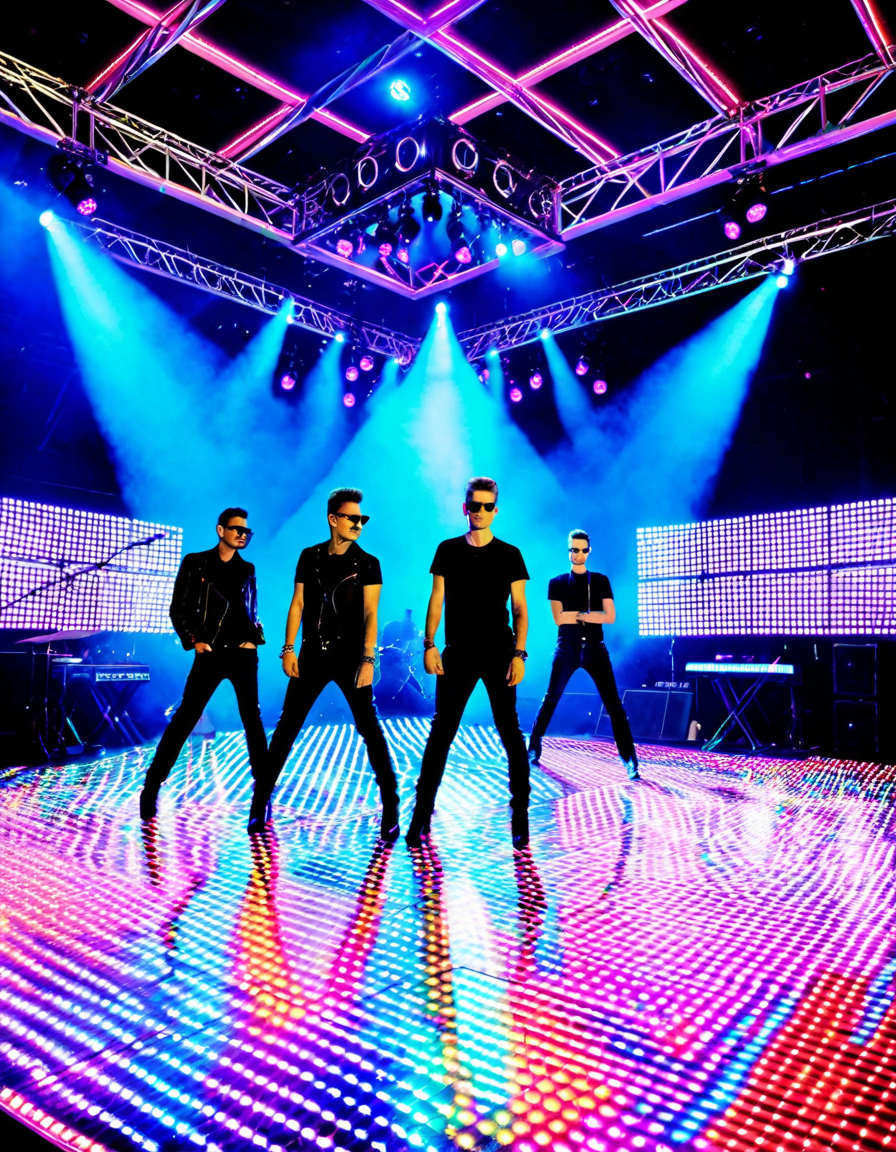
In the pantheon of electronic music, few bands hold the distinction and influence of Depeche Mode. Since their formation in 1980, they’ve not only defined the synth-pop genre but shaped the sound of alternative and electronic music as we know it today. Their music is a rich tapestry of emotion, blending themes of dystopia, euphoria, and innovative production techniques. Dive into the legendary sound of Depeche Mode, and you’ll discover an exploration of dark and light that resonates deeply with listeners around the globe.
Top 7 Tracks That Define Depeche Mode’s Legacy
This infectious track from their debut album, Speak & Spell, is an emblem of their early sound and the synth-pop genre. With a catchy melody and exuberant energy, it represents the euphoric beginnings of what would become a musical revolution.
Featured in their critically acclaimed album Violator, this track balances a haunting melody with poignant lyrics. It captures themes of isolation and longing, evoking a sense of both dystopia and beauty that transcends generations.
Melding gospel elements with electronic music, this iconic single underscores Depeche Mode’s artistic evolution. Its narrative about reaching out in desperation resonates with the human experience set against a serene yet dystopian backdrop.
This track explores darker undertones, pulsating beats, and themes of reliance and companionship. The narrative reflects a complex emotional landscape, resonating with the fusion of desire and desperation that often accompanies relationships.
With its powerful vocals, “I Feel You” dives into the thematic exploration of connection and reliance. The song illustrates Depeche Mode’s profound ability to blend euphoria and despair, seamlessly navigating the highs and lows of human experience.
This track combines introspection with a call for empathy, challenging listeners to understand another’s perspective. The electronic soundscape envelops the listener, drawing them into a narrative of feeling lost amid a somber reality.
“Strangelove” features a seductive sound intertwined with lyrics that dig deep into love’s complexities. The song effectively captures the dual nature of love as both uplifting and burdensome, echoing the challenges of human connection.

The Dystopian Undertones in Depeche Mode’s Music
Dystopia ain’t just a theme for Depeche Mode; it’s practically threaded into the fabric of their music. Tracks like “Black Celebration” and “The Things You Said” paint vivid images of emotional struggles and social anxieties. Through their poignant lyrics and atmospheric soundscapes, Depeche Mode channels feelings of alienation and discontent, providing not just entertainment but a critique of society that feels refreshing yet unsettling.
Listeners find themselves reflecting on their own lives through the lens of these dystopian narratives. This aesthetic results in songs that resonate on multiple levels, prompting introspection while inviting listeners to dance. Themes of disconnection in a hyper-connected world unfold, making their music deeply relevant amid a landscape of continuous change.
Moreover, Depeche Mode’s moments of despair give way to hope, revealing a spectrum of human emotion that is both unsettling and essential. Their artistry doesn’t just linger in the realm of entertainment; it offers a mirror to societal issues, reflecting both individual and collective experiences.
The Euphoria of Connection in Their Sound
Despite the darker themes, an undeniable thread of euphoria courses through Depeche Mode’s music. The contrast between joy and sorrow becomes apparent in songs like “I Feel You” and “Never Let Me Down Again,” which articulate connection’s beauty amid despair. Their synth-driven soundscapes evoke expansive yet intimate feelings, drawing listeners into shared experiences that resonate on a personal level.
What truly sets them apart is their knack for crafting songs that feel universally relatable. You can find the highs and lows of relationships, the thrill of love, and the pain of separation all swirling together in an exhilarating mix. Each note beckons listeners deeper into a world where darkness coexists with light, making the listening experience nothing short of addictive.
As Depeche Mode explores these concepts, one can’t help but feel a profound connection with their narratives. They embody the very definition of euphoria through music, as listeners find solace in knowing others share similar struggles. This connection has cemented their place not just in music, but in the hearts and minds of fans worldwide.
The Influence of Labels: From Elektra to Global Stardom
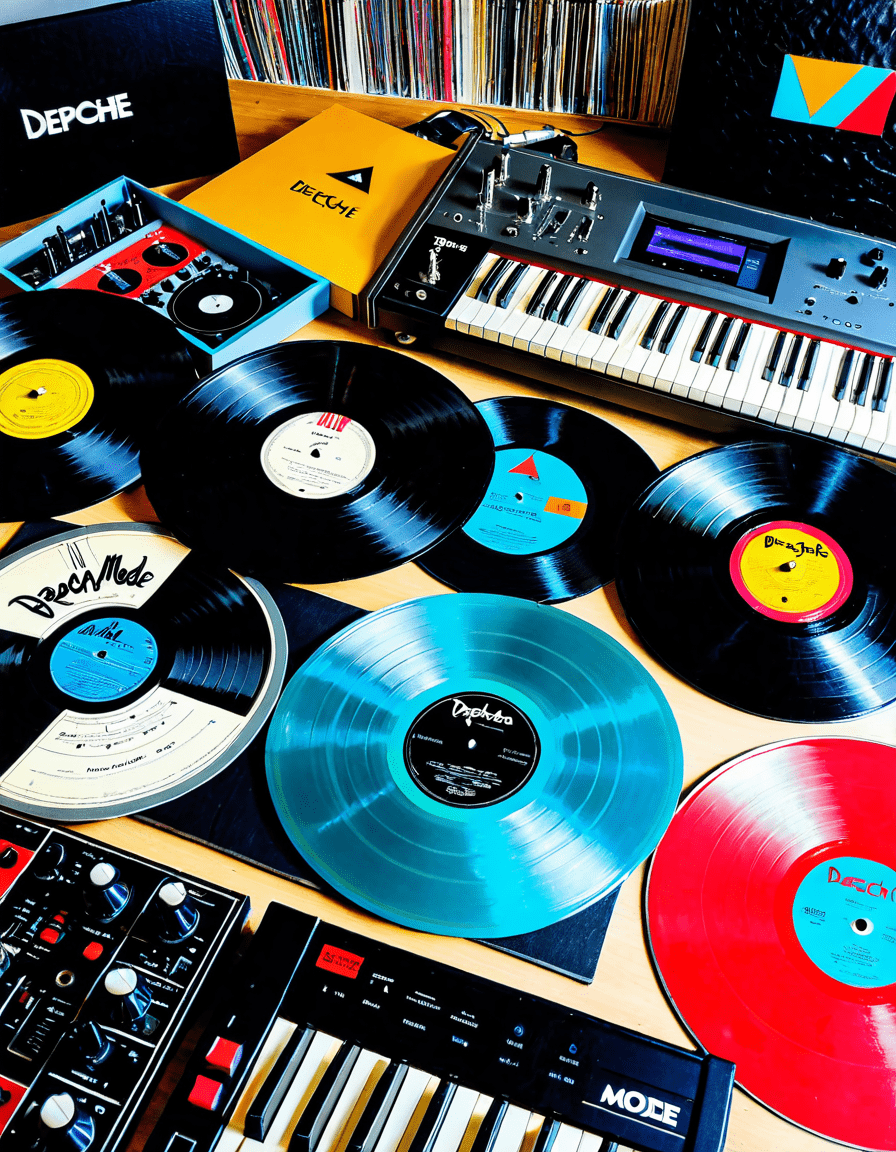
Depeche Mode’s journey through the music industry is a fascinating narrative deep with lessons. Initially signing with Mute Records, they struck gold, achieving international success that would set the stage for future collaborations, such as with Elektra for broader distribution in the United States. Their ability to navigate the complex world of record label politics without sacrificing creativity showcases impressive musical and business savvy.
Challenges from labels weren’t just hurdles; they fueled creative expression and personal growth. As Depeche Mode’s sound evolved, so too did their relationship with record labels, reflecting a broader trend in music where artists seek control over their work in a landscape often dominated by corporate interests.
Community building became integral to their success. Fans didn’t just relate to the music; they formed a bond with the band as Depeche Mode pushed against the confines of commercial expectations. The lessons drawn from Depeche Mode’s interactions with labels remain salient today, emphasizing the importance of artistic integrity in an industry frequently focused on profit.
The Shift to Modern Themes: Deja Vu or Evolution?
Today, as Depeche Mode continues to craft compelling music, their exploration of contemporary themes evokes both nostalgia and a sense of déjà vu. Album releases like Spirit resonate with audiences grappling with familiar societal issues, weaving historical contexts with modern relevance. The haunting soundscapes speak to a new generation while reinforcing old fans’ connections, beckoning listeners both new and old into a journey of shared experiences.
Over the years, themes of existential dread and personal struggle permeate their works, mirroring societal sentiments prevalent across the globe. Their exploration of human connection, often fraught with difficulties, feels as relevant now as it did decades ago. Each song serves as a reminder that while times change, our core struggles remain the same.
Moreover, the band has embraced modernity without losing sight of their past. Their willingness to adapt and grow while maintaining the essence of what makes Depeche Mode beloved illustrates an evolution that resonates with shifting cultural landscapes. Fans often grapple with memories tied to the music while navigating the present’s complexities.
Embracing the Future of Synth-Pop
Depeche Mode’s lasting legacy is not just in their music but in their role as architects of synth-pop. Despite the passage of time, they remain influential pillars for emerging bands and artists today. Their ability to blend profound emotional depth with infectious rhythms keeps them at the forefront of the electronic music revolution.
As new musicians draw inspiration from their iconic sound, the essence of Depeche Mode continues to echo in today’s music landscape. The analog synths and unique vocal styles may evolve, but the core themes of love, connection, and existential questioning seem forever relevant.
Reflecting on their impact unveils a duality that encompasses both dystopian themes and euphoric connections. Depeche Mode’s songs remind fans of the intricate tapestry of human emotions, capturing the human experience with incredible finesse. As we move through 2026, their pioneering spirit in electronic music remains as potent as ever, continuing to inspire a new wave of creative endeavors.
Depeche Mode: Fun Facts and Trivia About the Synth-Pop Legends
The Genesis of Synth-Pop Vibes
Did you know Depeche Mode originally formed in 1980 in Basildon, England? Comprising school friends, this iconic group quickly became pioneers of the synth-pop genre. Their name comes from a French phrase meaning “fast fashion,” but their music certainly endures far beyond fleeting trends. Speaking of enduring talent, you might want to check out The devil all The time, which showcases how art can leave a long-lasting impact on our lives, just like Depeche Mode’s signature sound.
Chart-Topping Tunes and Interesting Influences
When we dive into Depeche Mode’s chart-toppers, it’s hard not to notice their knack for catchy melodies. Tracks like “Enjoy the Silence” and “Personal Jesus” transformed the music scene and still play at parties today. It’s no surprise these sounds resonate with modern artists; much like how Kendrick Lamar’s wife, who supports his artistic endeavors, influences his perspective on music and creativity. So, whether it’s Depeche Mode or Kendrick, the ties between artists across genres are fascinating!
The Legacy Continues
Fast forward to today, and Depeche Mode’s influence remains palpable, ranging from electronic music to pop sensations worldwide. They have more careers that intertwine with other pop culture phenomena. Take Neil cicierega, for example; this YouTube mash-up mastermind is inspired by the same nostalgic synth vibes that Depeche Mode perfected. For those who enjoy a good journey, you might consider a trip to Leavenworth, Washington, where the arts thrive, or perhaps check out Elle Fanning Movies And TV Shows that channel that creative spirit. In any case, Depeche Mode continues to weave their innovative sound into the very fabric of pop culture, making their legacy as dynamic as ever.
Thus, whether through dance floors or quiet evenings, Depeche Mode’s music remains a timeless treat. And who wouldn’t want to stroll down musical memory lane while listening to an electrifying synth tune? Just like the classic I Would walk 500 Miles echoes the human experience, Depeche Mode’s tracks resonate on every level, marking them as synth-pop’s formidable giants.