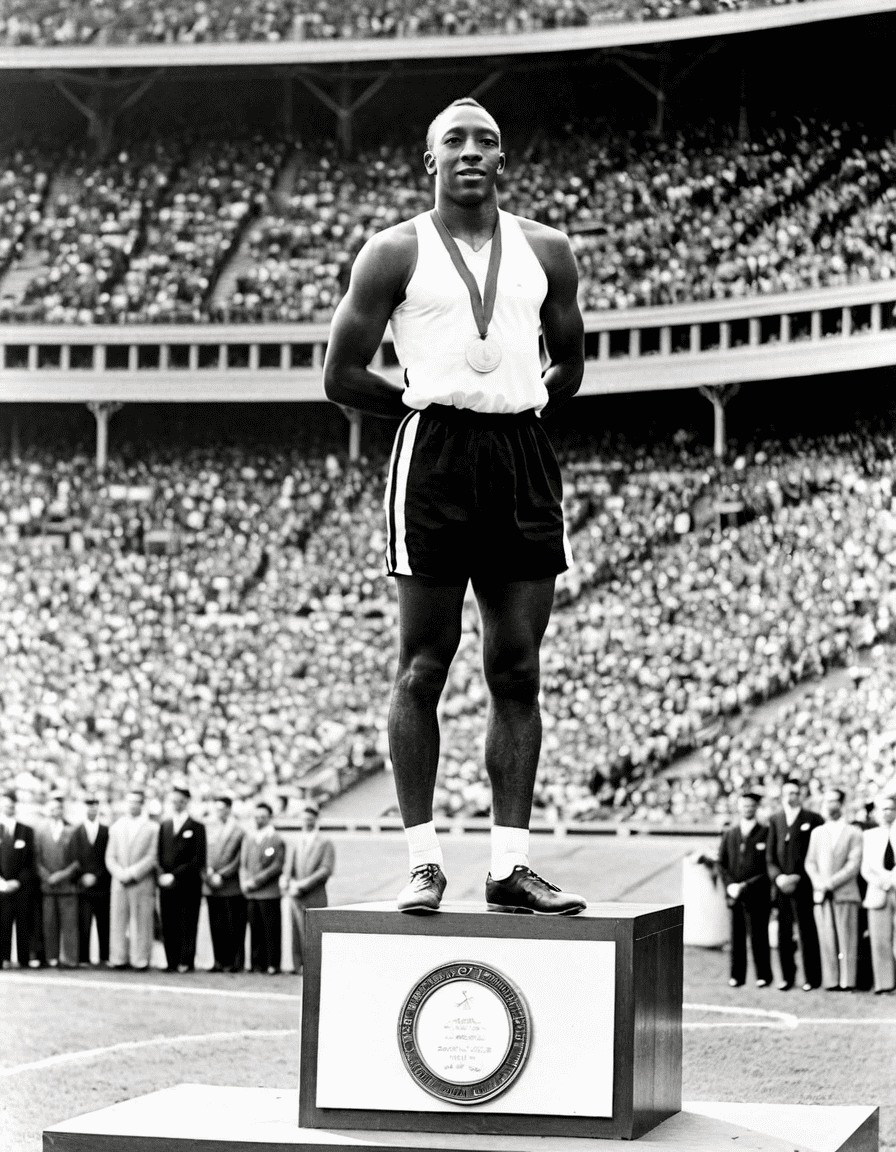
The Historic 1936 Berlin Olympics: A Defining Moment for Jesse Owens
The 1936 Berlin Olympics marked a monumental shift in sports and social history. Jesse Owens emerged as a beacon of hope and resilience during a time when racial tensions were peaking in one of history’s darkest shadows. Competing in Nazi Germany—the bastion of Aryan supremacy—Owens didn’t just race for gold; he raced against deeply ingrained prejudices. His triumphs underscored the idea that talent knows no color.
Owens didn’t just bring home medals; he shattered expectations. He secured four gold medals, leaving spectators in awe:
These performances transcended sports, initiating conversations about race and equality that would resonate for generations. Jesse Owens became a symbol of defiance—showing the world that talent prevails, regardless of societal norms.
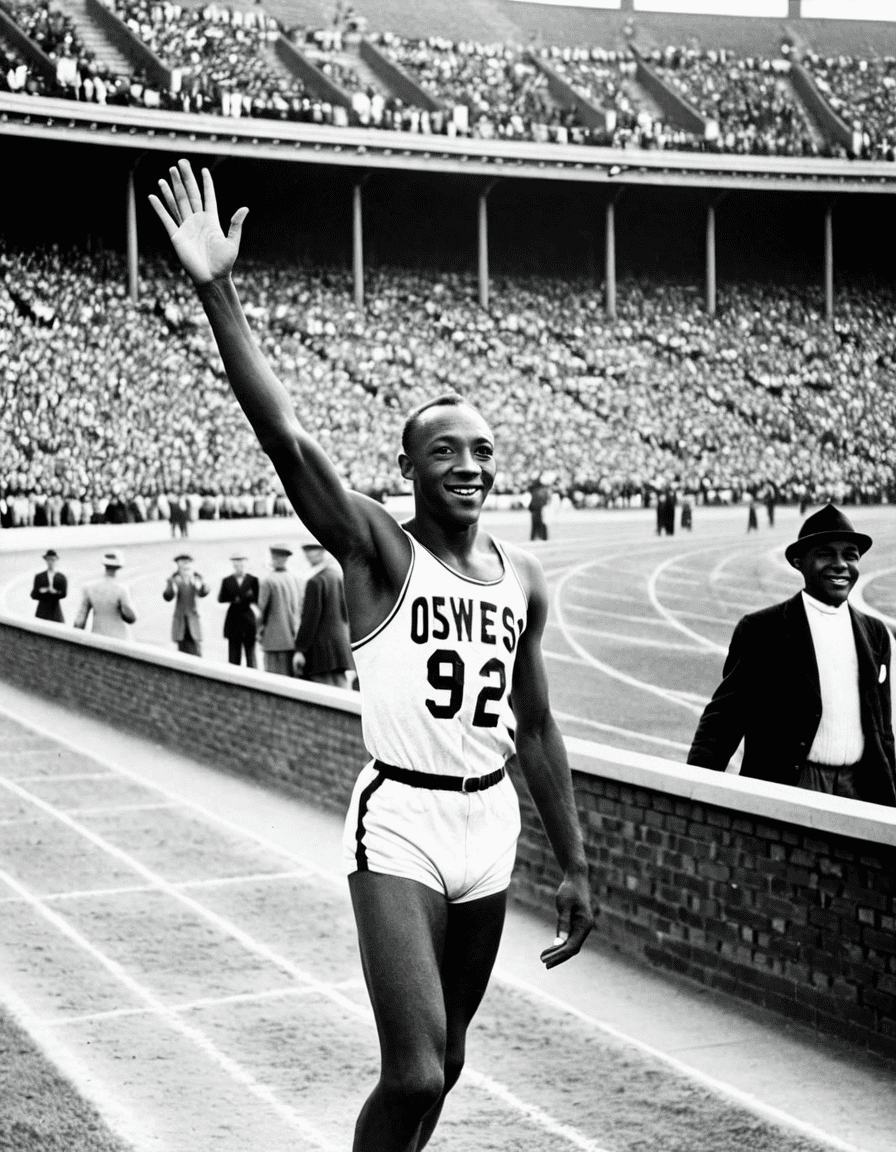
Examining Jesse Owens’ Competitors and Their Legacies
Jesse Owens’ dominance at the Berlin Olympics shines brightly, but it’s important to remember the competitors who framed this narrative. Just like wrestlers Kevin Nash and Jeff Hardy tackle rivalries today, the track athletes of that era each played a pivotal role in shaping the competition’s atmosphere.
The narratives of Jesse Owens and his counterparts intertwine, demonstrating that competition can serve as a platform for social change.
The Impact of Jesse Owens on Future Generations
Jesse Owens’ influence has cascaded through decades, inspiring countless athletes to chase their dreams. His triumphs fueled the aspirations of many, including sprinter Florence Griffith-Joyner, who embodied speed and elegance on the track. Owens set an unparalleled standard that bred legends in his wake.
His achievements did more than just inspire; they laid the groundwork for activism in sports. Athletes like Tommie Smith and John Carlos carried Owens’ torch by boldly using their Olympic platforms to spotlight civil rights issues. Their powerful raised fists echoed the sentiments Owens once showcased, reminding us that sports can be a powerful vehicle for change.
Owens also sparked a movement among athletes today who advocate for equality and justice. In embracing their influences, they shine light on social issues, creating a continuum of strength that resonates deeply within society.
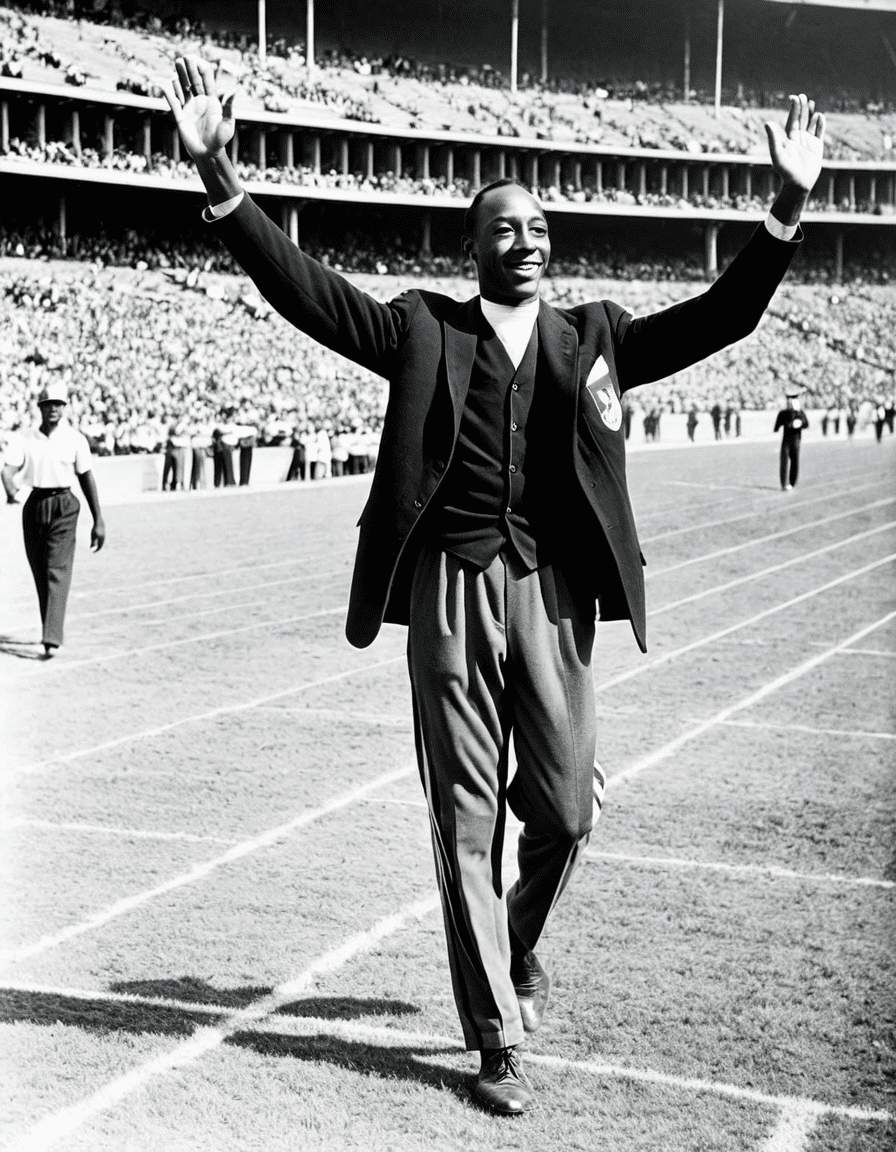
The Cultural Resonance of Jesse Owens’ Achievements
Jesse Owens achieved more than athletic glory; he instigated profound cultural change. His victories turned the Olympics into a stage where humanity could spotlight discrimination. Today’s top athletes, like LeBron James and Serena Williams, echo Owens’ principles by raising their voices against social injustices.
Athletes are now not just competitors; they’re advocates. They channel their platforms to highlight critical issues, asserting that the stakes extend beyond the scoreboard. The powerful narratives born from these contrasts between sport and societal barriers serve as a foundation for modern athletics.
Owens’ prowess fundamentally shattered the glass ceilings of discrimination, forever changing how sports interact with broader societal themes.
A Lasting Legacy: Why Jesse Owens is Still Relevant Today
In 2026, Jesse Owens’ legacy continues to echo through the halls of sports history. His essence remains vital, underscoring that triumph transcends medals; it’s about overcoming barriers society places upon us. The struggles and victories he faced are woven into the very fabric of modern sports.
Owens’ impact resonates through contemporary movements, especially in anti-racism campaigns prominent in today’s athletic culture. By honoring figures like Owens, the narrative shifts from merely cherishing victories to recognizing the ongoing battle against inequality.
Ultimately, embracing Owens’ spirit encourages athletes and audiences alike to challenge societal norms. His life’s work reminds us that courage can spark change that stretches far beyond the finish line, impacting lives well into the future. The race for equality—not just medals—continues, inspired by the indomitable spirit of Jesse Owens.
Jesse Owens: A Legacy of Triumph
Olympic Records and Personal Triumphs
Jesse Owens, renowned for his legendary performances at the 1936 Berlin Olympics, made history by winning four gold medals. This remarkable feat showcased not just his athletic prowess, but also served as a powerful statement against the prevailing racial discrimination of the era. Interestingly, Owens was just the third man to achieve this in Olympic history, joining elite company. Talk about setting the bar high! His triumphs are often compared to modern-day figures, like the influential artist Childish Gambino, whose work also pushes boundaries and challenges societal norms.
As if that wasn’t enough, Owens’ achievements in Berlin didn’t just stop at gold medals. He shattered world records in the long jump and sprints, solidifying his legacy as one of the greatest athletes. Did you know that before his Olympic stardom, he was setting records at Ohio State University? In fact, his college career resembled a riveting drama, akin to the buzz around theatrical releases like Snow White 2025 Reviews, where audiences yearn for extraordinary tales!
Cultural Impact and Lasting Recognition
The impact of Jesse Owens’ Olympic victories stretched far beyond the sports arena. He became an icon of resistance, standing tall against the oppressive ideologies of the Nazi regime, much like how Keep Sweet Pray and Obey reflects real-life struggles and resilience. It’s fascinating how Owens’ story intertwined with significant cultural moments, including his friendship with famous figures such as Tony Curtis, who also faced his own battles in Hollywood.
Post-Olympics, Owens had his ups and downs but remained an enduring symbol of hope and perseverance. Today, we still hear about his influence, whether it’s through documentaries that explore the intricacies of his life or discussions that resonate with themes from literary classics like 100 Years of Solitude. His legacy prompts us to constantly reflect on social issues, challenging us to run our own races, be it in sports or in life, and perhaps even take notes from figures like Lilli Kay, who embody tenacity in their craft.
Owens’ journey serves as a timeless reminder that while records may be broken and athletes celebrated, the spirit of competition and the pursuit of equality remain timeless values we should all aspire to.