

In the fast-paced world we inhabit, workaholics stand out, driven by a thirst for achievement that often borders on obsession. Society often casts them as ‘freaks and geeks,’ but it’s high time we delve deeper to uncover the roots of their relentless ambition. The quest for success isn’t simply about being busy; it’s about perfectionism, fear of failure, and, oftentimes, a disconnect from the essential joys of life. So, let’s unpack these traits and see how they manifest across different arenas, from corporate towers to reality TV.
The Surprising Traits of Workaholics: More than Just ‘Freaks and Geeks’

Trait 1: Perfectionism and the Need for Control
Perfectionism is a hallmark trait among workaholics. This relentless pursuit of flawlessness propels driven individuals to consistently push past boundaries. Elon Musk, for instance, sets tall orders at Tesla and SpaceX, continually demanding breakthroughs and results that challenge the status quo. His expectation for radical innovation often merges work with personal life, leaving little room for downtime.
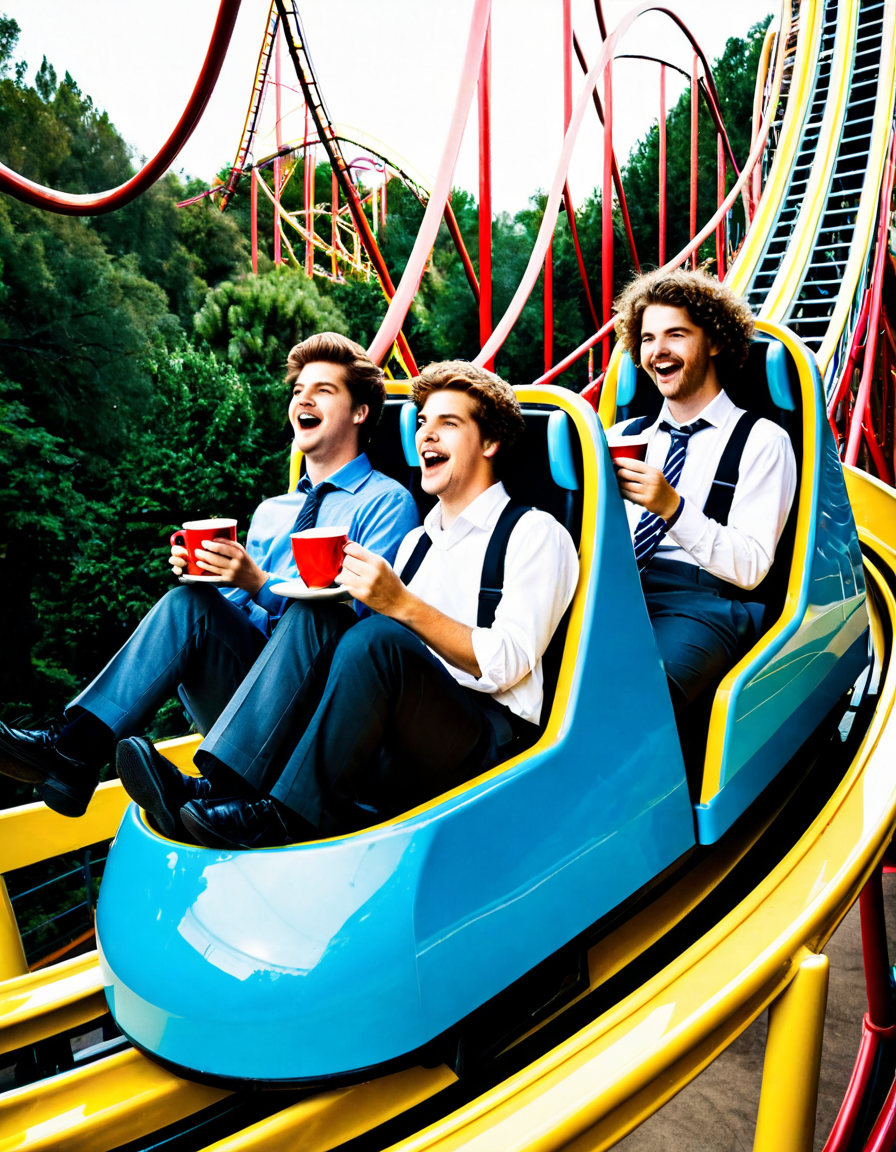
This trait is not confined to big names like Musk. Many workaholics from various sectors mirror this same intensity, believing that anything less than perfect is a monumental failure. This need for control drives them to stay tethered to their tasks, often leading to exhaustion but also remarkable accomplishments.
Trait 2: Fear of Failure
The looming specter of inadequacy propels many workaholics to work tedious hours without pause. Sheryl Sandberg, former COO of Facebook, often articulates her own experiences with fear of not achieving enough, driving her commitment to her work. This panic about falling short creates a vicious cycle; taking a break feels like facing a potential downfall.
The fear of failure often amplifies feelings of anxiety and self-doubt. The line between ambition and obsession becomes hazy as workaholics grapple with feeling like their self-worth is tied to their output. This fear can spiral into an endless loop, forcing individuals to hustle harder while sacrificing their well-being.
The Workaholic Dynamics in Different Deeds: ‘Dance Moms’ and the Corporate World
Corporate Sector: The Pursuit of Perfection
In corporate settings, the quest for achievement takes on a starkly competitive edge. Companies like Goldman Sachs exemplify a culture where long hours are synonymous with commitment, and exceptional performance is expected. Here, many workaholics become ensnared in a relentless cycle where working extra hours becomes an unwritten rule for career growth and visibility.
At these companies, the expectation to sacrifice personal time for work can lead to severe burnout—a kind of training to “suck it up” even when life outside fades away. The result? A sick cycle that tricks companies and employees alike into believing that exhaustion equates to productivity.
The Dance Moms Phenomenon: Competition and Sacrifice
Venture into the glam world of reality TV, and you’ll find a parallel to corporate hustle in shows like ‘Dance Moms.’ The mothers who push their children to excel often display workaholic traits, driven by a desire for their children’s success, but often at a steep emotional cost. The competition ignites a manic need to outperform every other contestant, reflecting the same patterns witnessed in corporate hallways.
This aggressive ambition often raises crucial questions about the influence of parental expectations on children. Do these dance moms create future workaholics in their rugrats by instilling an ethos where success demands relentless effort? The enduring pressure can lead children to equate achievement with constant striving, sowing the seeds of future burnout.
The Role of ‘Rugrats’ in the Workaholic Equation: Family Dynamics and Career Choices
Work-Life Imbalance: The Cost of Career Over Family
For many workaholics, the delicate balance between career and family often tilts uncomfortably towards work. A Harvard Business Review study found that over half of workaholics report strained family relationships. The longer hours and tireless focus on professional commitments lead to missed family dinners, school plays, and precious moments with their rugrats.
These parents often find themselves prioritizing work at the expense of family time, crafting a disconnect that can have lasting ramifications. As they chase professional accolades, the emotional toll on their children mounts, impacting family bonds and creating an atmosphere of neglect.
A Cycle of Overachievement
Children of workaholics can start internalizing the belief that success requires non-stop hustle. This cycle often extends to the next generation, where rugrats may feel compelled to outperform their peers to gain parental approval. This imbalance cultivates a perpetual risk for raising another cohort of workaholics—youngsters who equate their worth with workload.
The caregiving roles morph under these pressures, making even family dynamics feel competitive. The intense desire for achievement begets a community of overachievers where rest and relaxation become quaint ideas, replaced by constant striving.
The Modern Age of Workaholism: Influences of Celebrity Culture and Lifestyle Choices
The Allure of the Hustle: Social Media Impact
Today’s workaholics find themselves heavily impacted by the voices of celebrity culture. The glamorization of relentless productivity, particularly on social media, pushes many into the ideology that constant hustle equals worth. The allure of figures like Kim Kardashian, who expertly juggle multiple business ventures, feeds the notion that one must be always active to achieve success.
Interestingly, a Pew Research Center survey showed that 67% of millennials identify with the hustle culture promoted on platforms like Instagram. These portrayals create an unrealistic benchmark for success, often leading to a toxic fierce competition to keep pace with social media influencers.
The Portrayal of Workaholics as ‘Pornstars’ of the Business World
Additionally, the idea of the ‘pornstar worker’ has emerged—individuals intensifying their demands and efforts to achieve workplace success. The whirlwind lifestyle of tech leaders, like Mark Zuckerberg, mirrors this dynamic beautifully; they’re often seen putting in relentless hours and dedication to maintain competitive supremacy. But this pursuit comes with mental health costs that are rarely discussed openly.
For many workaholics, the pressure to mirror this behavior becomes nearly suffocating. As they chase endless deadlines, the risks of burnout and mental health degradation become ever apparent, revealing the dark side of relentless ambition.
The Shenanigans of Most Workaholics: The Paradox of Rest
The Illusion of Non-Stop Productivity
While the outspoken drive for professional success might seem admirable, workaholics often overlook a critical truth: rest is vital. Many believe that constant work leads to higher productivity; however, research from Stanford University challenges this assumption. Their findings suggest productivity per hour falters sharply when work exceeds 50 hours a week.
When employees remain tethered to their desks, they sacrifice efficiency and quality of work for the sense of busyness. This disconnect opens up a striking dialogue about how traditional work environments measure output.
Striving for Balance: Innovative Solutions for Workaholics
Creating a Culture of Balance in Organizations
To reframe the narrative surrounding workaholics, companies must pioneer holistic changes. Forward-thinking organizations like Google and Salesforce are at the forefront of priority shifts that emphasize employee wellness. They introduce flexible work policies, mandated vacation days, and resources for mental health, fostering a culture that elevates well-being over traditional hustle.
Such initiatives not only help alleviate the tendency to workaholic behavior but also showcase healthier work strategies that promote sustainable productivity. The hope is for future workplaces to showcase a balance of effort and relaxation—an equilibrium that enhances long-term success without sacrificing well-being.
Engaging Family and Community Support
To combat the patterns often nurtured within families of workaholics, open dialogue about work-life balance becomes essential. Thriving support systems involving families allow for reflection on priorities and facilitate healthier conversations. Engaging communities in meaningful discussions enables workaholics to reassess their ambitions and reconnect with values that elevate quality family time alongside work.
By breaking down the barriers surrounding ambition and redefining success beyond busyness, a fresh chapter awaits for current and future work-focused generations.
In a world praising relentless ambition, understanding the unique challenges faced by workaholics is vital. By aiming for genuine balance, not only can we nurture healthier individuals, but we also pave the way for more vibrant workplaces fueled by collaboration, fulfillment, and happiness.
Workaholics: A River of Relentless Drive
The Unseen Toll of Workaholic Culture
Did you know that workaholics often struggle with something dubbed “work addiction”? It’s not just a quirky personality trait; it’s a serious condition that can lead to burnout and strained relationships. Interestingly, even global icons like Sean Diddy combs are known for their tireless work ethic, pushing boundaries while juggling multiple ventures. This relentless pursuit for success gets a bit of a reality check from statistics, revealing workaholics are at a higher risk for health issues. So, while priding oneself on hard work is admirable, it might be wise for these driven individuals to find a balance. Ultimately, nobody wants to trade their health for success—just ask anyone who’s been pulled into the world of hello neighbor finds on social media!
The Psychological Driving Forces
Have you ever heard of the concept, “success breeds procrastination”? It sounds contradictory, but research shows that workaholics, despite their achievements, can feel a nagging sense of dissatisfaction—a contrast to the high life led by famed artists like Daisy Edgar jones, who often find solace and inspiration in creativity. This constant chase can even evoke the question of: what’s the real motivation behind such ambition? One popular theory suggests that workaholics seek validation through their labor. In popular culture, this resonates well with characters like Legoshi from the anime Beastars, who represents how one can straddle the line between ambition and rest. Navigating this complex psychology isn’t easy, but acknowledging it is the first step.
How to Tame the Workaholic Beast
On a lighter note, did you know that a simple five-minute break can boost productivity? Many workaholics underestimate the power of a short pause. Just think of the catchy Florida Georgia line Songs that remind us of taking it easy and enjoying life’s little moments. Incorporating small practices such as mindful breathing or just stepping away from the desk can be a game changer. Sometimes, stepping out into the fresh air can function like that gentle nudge from the Sandman, reminding us that rest is as vital as work. Perhaps taking inspiration from resting approaches that are usually overshadowed could optimize those ambitious drives, leading to healthier, happier lives for workaholics. So, do the unthinkable—take a break! The success train won’t leave you behind; it just might gain some steam on your return.
In conclusion, being a workaholic might seem glamorous, but the hidden costs can be steep. With the right insights and small adjustments, these driven individuals can find joy while pursuing their ambitions, striking a harmony that’s often lost in the fast-paced hustle of life.