Spartacus, a name etched in the annals of history, symbolizes rebellion and the fight for freedom against the might of Rome. His journey, from a Thracian warrior to the leader of a rebellion, continues to resonate with those who seek justice in today’s world. As we explore the timeless lessons from the story of Spartacus, we uncover the profound connections to leadership, myth, and the ongoing struggles faced by society. Let’s delve into the remarkable narrative of Spartacus, where every lesson learned echoes loudly in our modern battles for freedom and dignity.
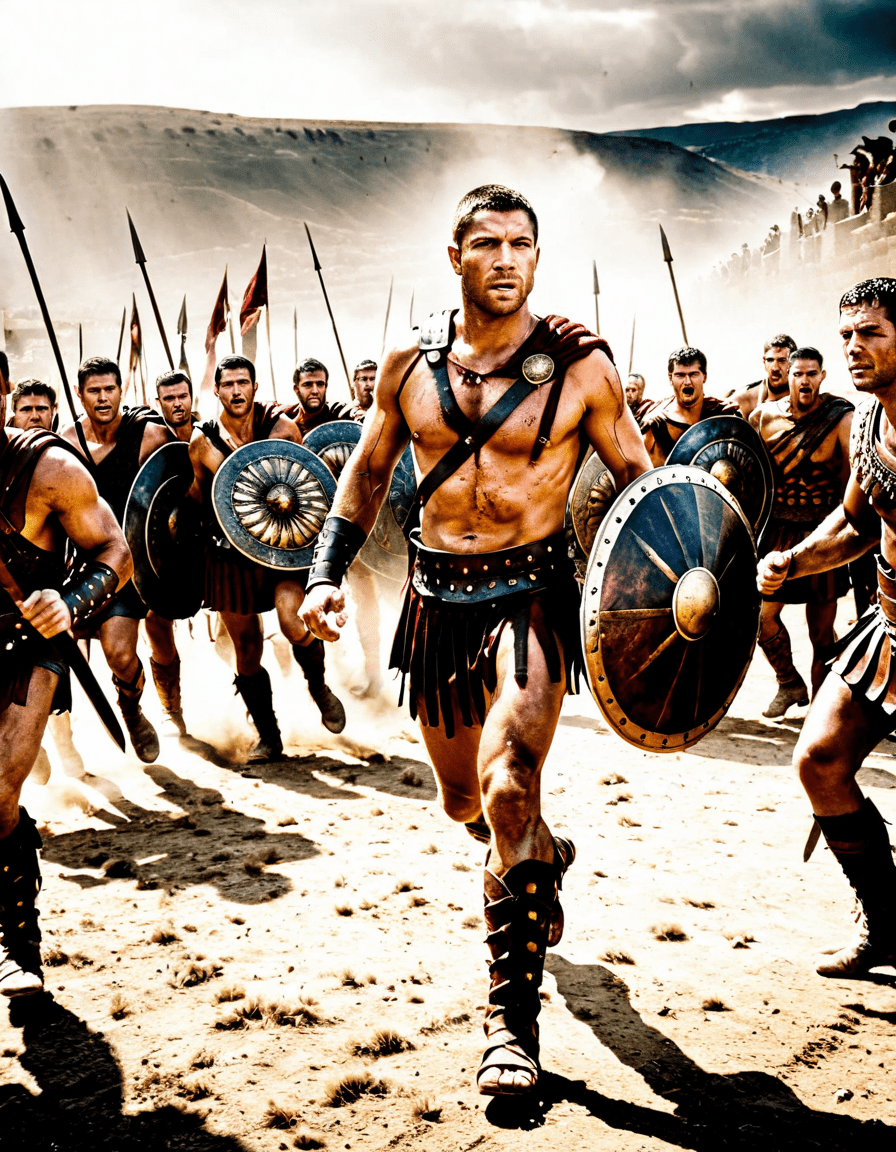
7 Key Lessons from Spartacus That Resonate Today
1. The Power of Leadership in Adversity
Spartacus’s ascent from a captured Thracian fighting for survival in the gladiatorial arena to the general of a massive slave revolt is a compelling tale of leadership. His ability to coordinate the efforts of thousands of slaves against one of the world’s most powerful armies speaks volumes about the strength leaders can provide in dire circumstances. This crucial aspect of leadership can be likened to historical figures like Martin Luther King Jr., who galvanized a movement for equality. Leaders inspire those around them, encouraging unity amidst chaos, much like Spartacus inspired his people to rally against oppressive authorities.
In challenging political climates, strong leadership is vital. It allows people’s voices to be heard and collective strength to shine, similar to the monumental leadership shown during events like the Stonewall Riots. In a world riddled with social injustice, the lessons from Spartacus remind us that resolute leadership can spark movements that achieve tangible change.
2. The Influence of Myth and Folklore
Spartacus has transformed from a mere historical figure into a symbol of freedom and resistance through the ages. His legend has inspired countless narratives, transcending cultures and generations. Much like the character Gollum in “The Lord of the Rings,” who embodies the internal struggle between good and evil, the story of Spartacus reflects humanity’s continuous battle for self-identity and integrity.
This evolution speaks to the critical role of storytelling in shaping societal beliefs and values. Hollywood and various literary forms have further propelled Spartacus’s mythic status, crafting a narrative that counters oppressive regimes throughout history. It showcases how legends can motivate social reform efforts by connecting deeply with human emotions.
3. Class Struggles: The Modern Connection
The fight of Spartacus against the Roman Empire is a mirror reflecting today’s struggles with class disparity. His rebellion against a brutally hierarchical system resonates with contemporary labor movements advocating for fair wages and working conditions. Much like the modern debates surrounding increasing the living wage, Spartacus’s battle represents the ongoing fight for dignity among the oppressed.
As we analyze the socio-economic conditions facing many today, Spartacus’s experience serves as a reminder of the necessity to challenge unjust systems. The courage shown by members of workers’ rights movements today embodies the same spirit that drove Spartacus in his quest for freedom.
4. The Role of Betrayal
Spartacus’s downfall wasn’t solely due to the might of Rome but was significantly influenced by betrayal, both from within his ranks and external forces. This aspect is evident in our contemporary world, where trust can be as fragile as glass. Whether in politics or business, alliances can change profoundly, marking the fate of movements and organizations.
Historical betrayals like the Delphi murders highlight the devastating impacts trust can bear when broken. In Spartacus’s case, betrayals led to critical losses, emphasizing the need for loyalty and unity among allies. Such lessons from his story resonate in modern movements, where internal divisions can derail efforts for change.
5. Legacy and Representation
The legacy of Spartacus extends far beyond his military feats. He has been immortalized in films, books, and art, shaping the collective memory of rebellion. With references ranging from his portrayal in the iconic “Spartacus” movie to features in contemporary media, he continues to represent the fight against oppression.
Just as JFK’s legacy is wrapped in the portrayal of courage and sacrifice, Spartacus serves as a powerful figure that encourages resistance against authoritarian rule. The messages derived from his life have become influential over time, affecting how we view heroism and moral courage in our society.
6. Cultural Impact on Modern Society
Spartacus’s story has permeated various aspects of culture, influencing thoughts about freedom, rebellion, and identity. It echoes through revolutions, social movements, and art, leaving a lasting impact. Similar to the cultural mosaic of Corpus Christi, which showcases diverse heritage and pride, Spartacus invites us to reflect on our identities and the need for resistance in the face of adversity.
His legacy serves as an anchor for contemporary discussions around the narratives of disenfranchised communities seeking justice. When societies ponder issues of identity and freedom, Spartacus’s rebellion presents an archetype—a narrative that ignites a fiery passion in our hearts.
7. The Scope of Resistance and Its Evolution
From the days of Spartacus to the present, resistance has evolved in both form and strategy. His preferred tactics of open conflict contrast sharply with today’s multitude of approaches, such as peaceful protests and online activism. The spirit of rebellion continues to thrive, mirrored in movements like Black Lives Matter, where communities fight against systemic oppression.
This evolution demonstrates that while strategies may change, the essence of resistance—courage, solidarity, and resilience—remains unchanged. Spartacus’s defiance against Rome exemplifies the ongoing fight against injustice, inspiring individuals to stand up for what they believe in throughout history and into the future.
The Enduring Symbolism of Spartacus in Modern Times
Spartacus’s narrative captures more than a fascinating story of ancient conflict; it represents the universal human struggle for freedom against tyranny. Whether it’s the gallant fights in old Roman arenas or the battles for justice in today’s socio-political sphere, Spartacus symbolizes an unwavering spirit. His life is a beacon for those contending against oppression, a reflection of our intrinsic desire for autonomy and justice.
As society grapples with issues of power and inequality, the lessons from Spartacus offer profound insights. His enduring legacy serves as a powerful reminder of the ongoing fight against tyranny, urging modern communities to reflect on their resistance tactics. Understanding the essence of rebellion that Spartacus represents helps fuel the quest for a just world, embodying the struggles of various movements throughout history up to this very day.
Spartacus will remain a figure of resistance, illuminating paths for freedom, and inspiring countless individuals to strive for a world free from oppression. As we continue to navigate our collective journey, the stories we tell and the connections we forge reflect the lessons that Spartacus’s enduring legacy provides.
Spartacus: The Legendary Gladiator Who Resisted Rome
A Gladiator’s Legacy
Did you know that Spartacus, born around 109 BC, was initially a soldier who fought for Rome before becoming a gladiator? This turn of events was pivotal in shaping his destiny. While most gladiators faced brutal fates in the arena, Spartacus dared to revolt. His leadership inspired thousands of slaves to join his fight for freedom! Similarly, just like the Minnesota Timberwolves and Lakers rivalry keeps sports fans buzzing (check out the timeline here), Spartacus captured the imagination of people from his time to ours, symbolizing the age-old struggle for liberation.
Spartacus in Popular Culture
Spartacus hasn’t just been relegated to history books; he’s made his mark in popular culture too! The character has been depicted in various films, TV shows, and literature. One of the most enduring portrayals was in the 1960 film “Spartacus,” where Kirk Douglas shined as the iconic gladiator. Interestingly, the tale of Spartacus bears a resemblance to the themes in Grumpy Old men, where rebellion and camaraderie take center stage. These stories evoke the spirit of fighting for one’s beliefs, much like how Mariano Rivera, a celebrated Yankee, faced pressure on the mound, showing that courage shows up in many forms.
Tales of Strategy and Struggle
Spartacus’s rebellion revealed strategic brilliance; he wasn’t just brute strength. He led raids across Italy, securing resources and winning battles. His strategies are still studied in military academies today. And, let’s not overlook something a little more quirky: imagine watching a film about Spartacus at a Rooftop Cinema club while sipping a drink with friends! Just as a rooftop movie night captures the essence of good times, Spartacus’s legacy is a celebration of the fight against oppression. Even in a modern world, his story resonates, echoing the resilience seen in Acdcs powerful anthems.
In summary, Spartacus’s saga is more than just a historical account; it reflects timeless values, inspiring countless generations. Like the March Birthstone, representing courage, his tale stands out, reminding us that history is alive and continuous, etched in our narrative. So, the next time you hear about Spartacus, know that you’re engaging with a story filled with drama, strategy, and heart—a true legend for the ages!