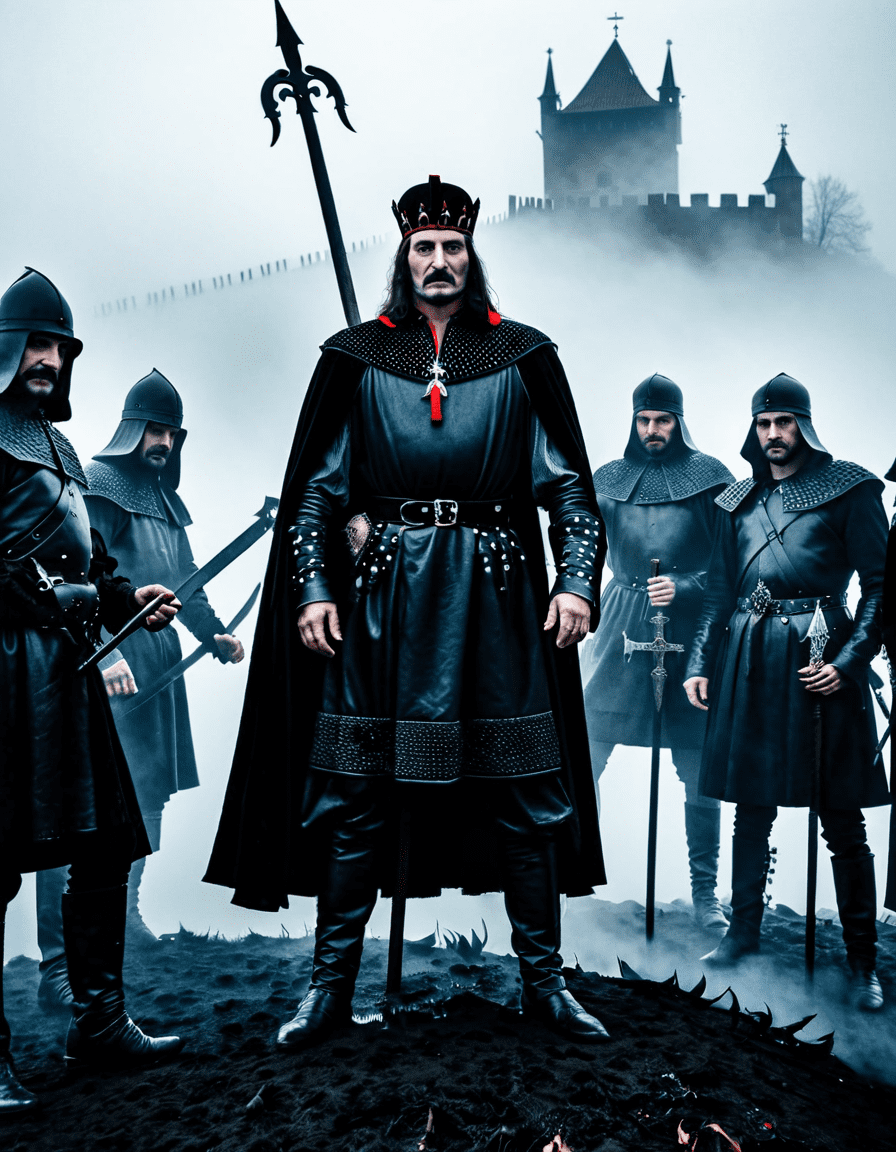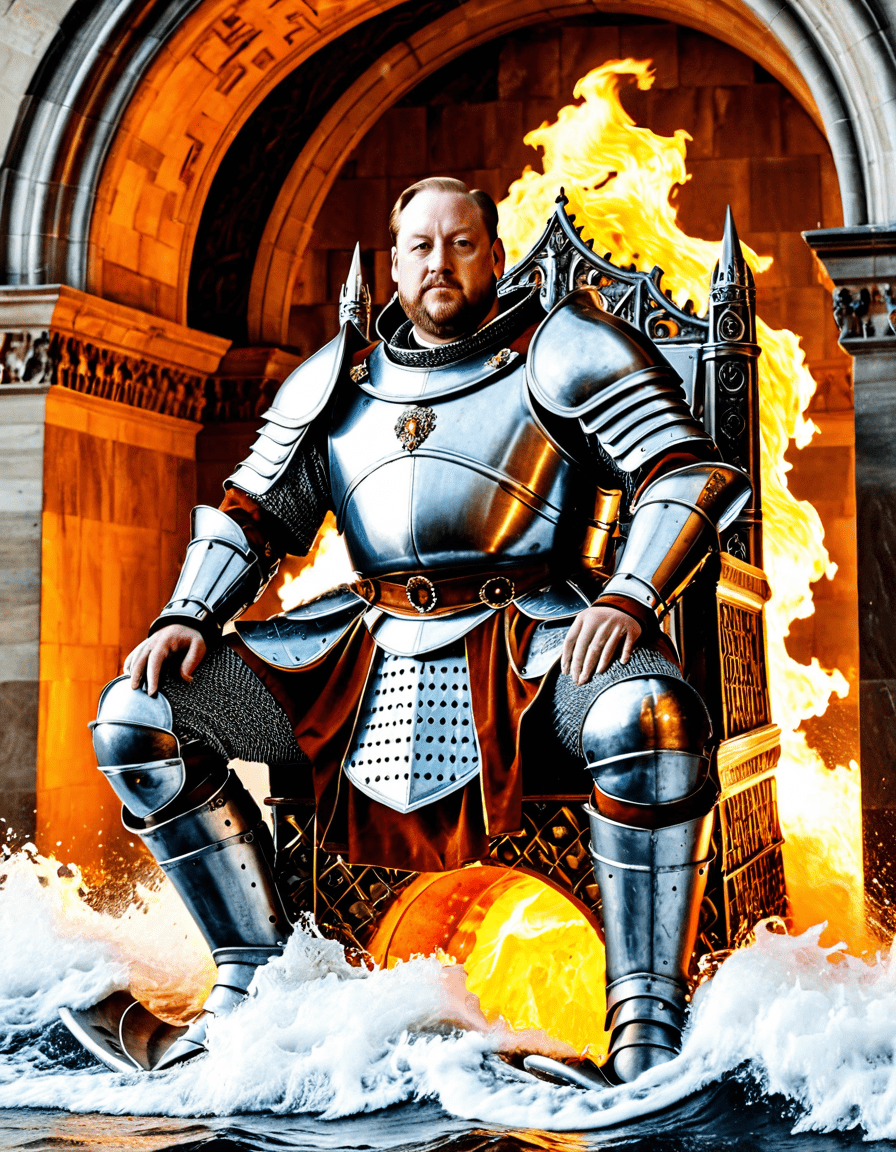
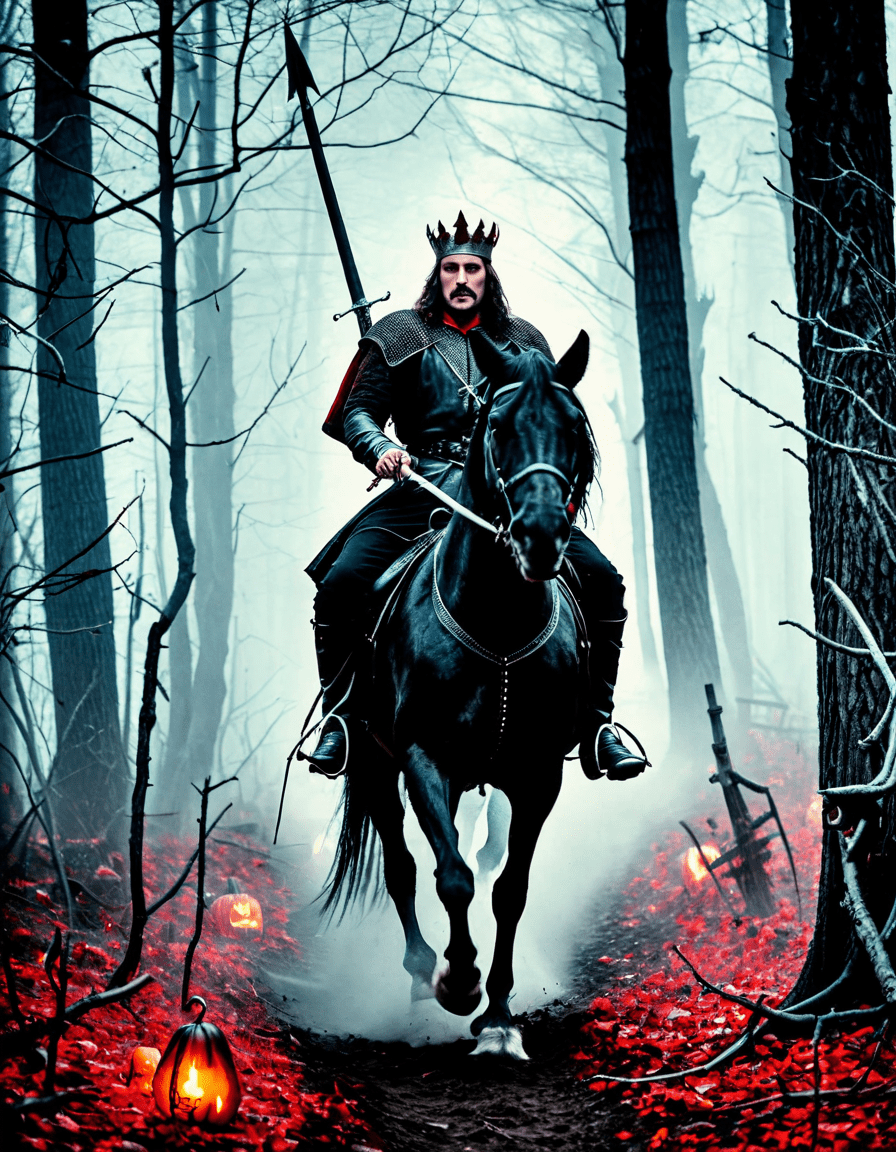
Vlad the Impaler, also known as Vlad III or Vlad Dracula, doesn’t just appear as a historical figure; he’d become an archetype of terror in the minds of many. His rule over Wallachia in the 15th century was marked by a deadly combination of political instability, familial loyalty, and external threats, particularly from the Ottoman Empire. Born into a turbulent era, Vlad’s methods were extreme, but they served a purpose—keeping his enemies at bay and solidifying his power within a fractured realm. Understanding this context helps demystify the man and the motives behind the ferocious reputation that has endured through time.
Political instability was rampant during Vlad’s reign. The region faced threats from not only the Ottomans but also from internal factions vying for power. The alignment of different factions could shift overnight, leading to a patchwork of loyalties that often broke apart. Vlad’s reign unfolded in a landscape where brutality resonated as leverage. He had witnessed his family’s betrayal and subsequent violent seizures of power, which undoubtedly shaped his perspective—leading him to perceive governance as a brutal contest where only the fierce survive. This interplay between external threats and internal betrayal drove Vlad the Impaler to employ his gruesome strategies, including his infamous practice of impalement, as a form of political messaging.
To truly grasp Vlad the Impaler’s legacy, one must also take note of how effectively he wielded fear as a political tool. His capacity for horror was not purely sadistic; it was a calculated measure designed to maintain control in an environment fraught with instability. A potent example of this can be found in the tales of his punishments for betrayal and disloyalty. Such stories, while often exaggerated, served as chilling cautionary tales—reminders to others that crossing Vlad could lead to impalement and a torturous end. In this sphere, Vlad aimed to unify his kingdom against external foes while simultaneously reinforcing his authority with fear.
Top 7 Monstrous Figures in History Compared to Vlad the Impaler
When discussing the narratives of terror that swirl around historical figures, Vlad the Impaler stands alongside several infamous names. His legacy of bloodshed and calculated brutality compares starkly with other notorious characters, each serving as a lens through which we can assess Vlad’s actions and their broader implications.
The Psychological Profile of Vlad the Impaler
Examining Vlad’s early life offers valuable insights into his descent into ruthlessness. Born into a political storm with representing power struggles among noble families, he learned early that loyalty often had disastrous consequences. His father’s assassination and subsequent betrayal molded Vlad into a figure riddled with paranoia—a mindset fueled by a desire to reign supreme amid fractured allegiances.
Over time, Vlad’s method of impalement became synonymous with his name. Scholars suggest this horrific practice served a dual purpose; it served to punish betrayal while also reaffirming his dominion over Wallachia. In Vlad’s mind, displaying punishment in such a grotesque manner was about preserving order—instilling a visceral fear that would make subjects think twice before defying him.
However, it’s vital to interpret Vlad not merely as a sadistic ruler but as a product of his environment. Engulfed in a world where betrayal and violence permeated governance, his choices can be seen as strategic, albeit horrifically executed. This raises a crucial question: were his actions the result of a troubled psyche navigating despairing circumstances, or was he simply a monster in malevolent disguise?
The Cultural Impact of Vlad the Impaler
Vlad the Impaler’s legacy transcends historical accounts, unfolding into folklore and popular culture. His Macabre saga has inspired a plethora of adaptations in literature and film, most notably Bram Stoker’s “Dracula,” where he’s morphed into a vampire lord—a romantic figure twisted by the darkness of his historical actions. Even modern cinematic attempts like “Dracula Untold” take liberties with Vlad’s narrative to create a compelling character, balancing fear with traces of humanity.
Notably, the graph of how Vlad transitioned from a historical ruler to a cultural icon encapsulates the blurry boundaries between fact and fiction. Over time, various portrayals embellish his story, reshaping public perception. For example, art that portrays Vlad as a tragic hero deemed misunderstood only serves to enhance the intrigue surrounding him. The interplay between historical fact and artistic license continues to shape societal understanding of rulers defined by extreme actions.
Through these cultural narratives, we see how society grapples with notions of power, cruelty, and authority. Often, both glorifying and vilifying figures like Vlad the Impaler can reflect broader societal tendencies, inviting debate on the ethics surrounding governance. If we examine how cruelty is perceived in our narratives, we can gain insight into how we view authority even today—asking ourselves if fear remains a valid tool for maintaining power.
Embracing Fear: The Societal Function of Vlad the Impaler’s Rule
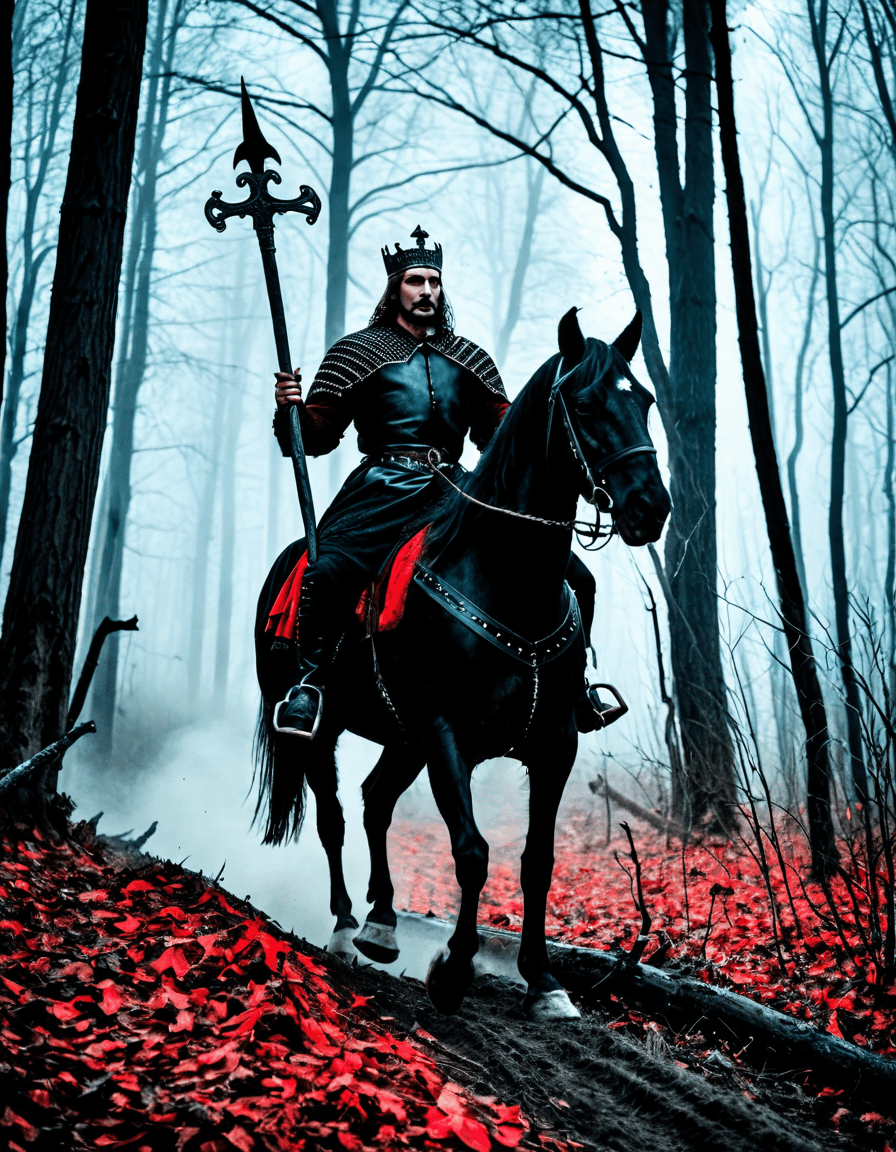
The role of fear as a political strategy isn’t merely anecdotal; it’s a historical motif that figures like Vlad articulated with chilling efficacy. His reign of terror was more than cruelty; it was a tactical move to unify his waning kingdom against external threats. Vlad understood that portraying oneself as a brutal ruler could forge unity—or at least, temporary compliance—among his subjects.
Historical evidence illustrates that fear can act as a societal adhesive, establishing a fragile order. The narrative of Vlad’s impaling exemplifies a system where cruelty could spearhead purported stability, albeit at a high moral cost. By looking at his tactics, we can discern the dichotomy between oppression and cohesion within governance—understanding how fear can paradoxically bind people while creating an atmosphere of dread.
Modern governance theories that discuss fear as a tool echo the constructs seen during Vlad’s rule. This modus operandi emphasizes that while fear can stabilize, it comes with significant societal consequences. Vlad’s story serves as a cautionary tale, illustrating that tactics involving cruelty often lead to resistance and resentment among the populace, reminding us that leadership built on fear might ultimately crumble under its weight.
The Vanishing Borders of Glory and Horror
In closing, we must reckon with the tangled legacy of figures like Vlad the Impaler, who stand at the precipice of glory and horror. His actions underscore humanity’s darkest tendencies while simultaneously revealing a deep-rooted fascination with authoritative power. While his methods are hard to reconcile with today’s understanding of justice, they invite us into a profound contemplation of leadership—how qualities that breed glory could simultaneously forge a legacy of terror.
Vlad’s fearsome reputation continues to reverberate, asking us to question our relationship with authority, power, and morality. Today, as we sift through the ashes of history, we realize that each story of a brutal ruler carries with it an invitation to reflect—a dialogue about leadership, empathy, and the intricate dance between fear and authority. And perhaps, in drawing closer to understanding figures like Vlad, we can glean lessons that inform how we shape our world today.
Vlad the Impaler: The Fearsome Legacy of a Ruthless Ruler
A Notorious Inspiration
Vlad the Impaler’s chilling methods carved a legacy so spine-tingling that he inspired the legendary character Count Dracula. That’s right; Bram Stoker took quite the creative leap from this real-life ruler, whose brutal tactics struck fear into the hearts of many. Imagine a historical figure who didn’t just stab his enemies but left them impaled for all to see. This gruesome form of justice has echoes in modern pop culture, where vampires and horror stories thrive. Just think of the same type of fear generated around the music of Ja Rule The singer who often channels dark themes and complex emotions in his lyrics.
Fun Facts from the Dark Ages
Now here’s a fun tidbit: Vlad was a big fan of psychological warfare. He mastered the art of fear, often using it to avoid battles. His enemies were so terrified that they’d simply flee at the sight of his banner. Talk about effective strategy! It’s like how R. Kelly managed to stay in the limelight for so long, even amidst controversy. Just like Vlad, the stakes in the public eye can often feel as perilous as life and death.
And did you know Vlad was known for his love of hospitality—when he wasn’t busy impaling enemies, that is? Stories abound of him inviting guests to grand feasts, only to catch them off-guard or to show off his bloodthirsty reputation. It’s almost as ironic as the twists in Ghostbusters Frozen Empire, where comic relief meets scares. Vlad’s dinner parties certainly weren’t your average get-togethers!
Impact on Pop Culture
Vlad the Impaler’s legacy still looms large, influencing everything from movies to literature. His story has birthed countless adaptations, some that even echo themes found in films like The , where characters face bizarre situations in their quests. It’s fascinating how someone from the 15th century has permeated modern storytelling. Moreover, his tale probes our fascination with violence, much like current discussions about censorship in entertainment that often find a parallel in debates about who gets Canceled these days.
So, the next time you settle in for a movie night or listen to a tense track, remember that the secrets of history can offer a deeper understanding of the culture we live in today, whether through the lens of a ruthless ruler or a captivating story about Condominiums For rent. Vlad the Impaler wasn’t just a monster in a distant past; he’s a thread woven into the fabric of our dark myths and legends.