Gangs of New York have shaped the gritty history of America’s largest city, leaving fingerprints on its culture, politics, and street life. From the feuding clans of the early 19th century to the organized crime syndicates still making waves today, these power struggles reveal what drives human behavior amid chaos. This article digs deep into the evolution, influence, and future of gangs in New York, spotlighting notable groups and drawing comparisons with their counterparts in London.
1. The Historical Landscape of Gangs of New York
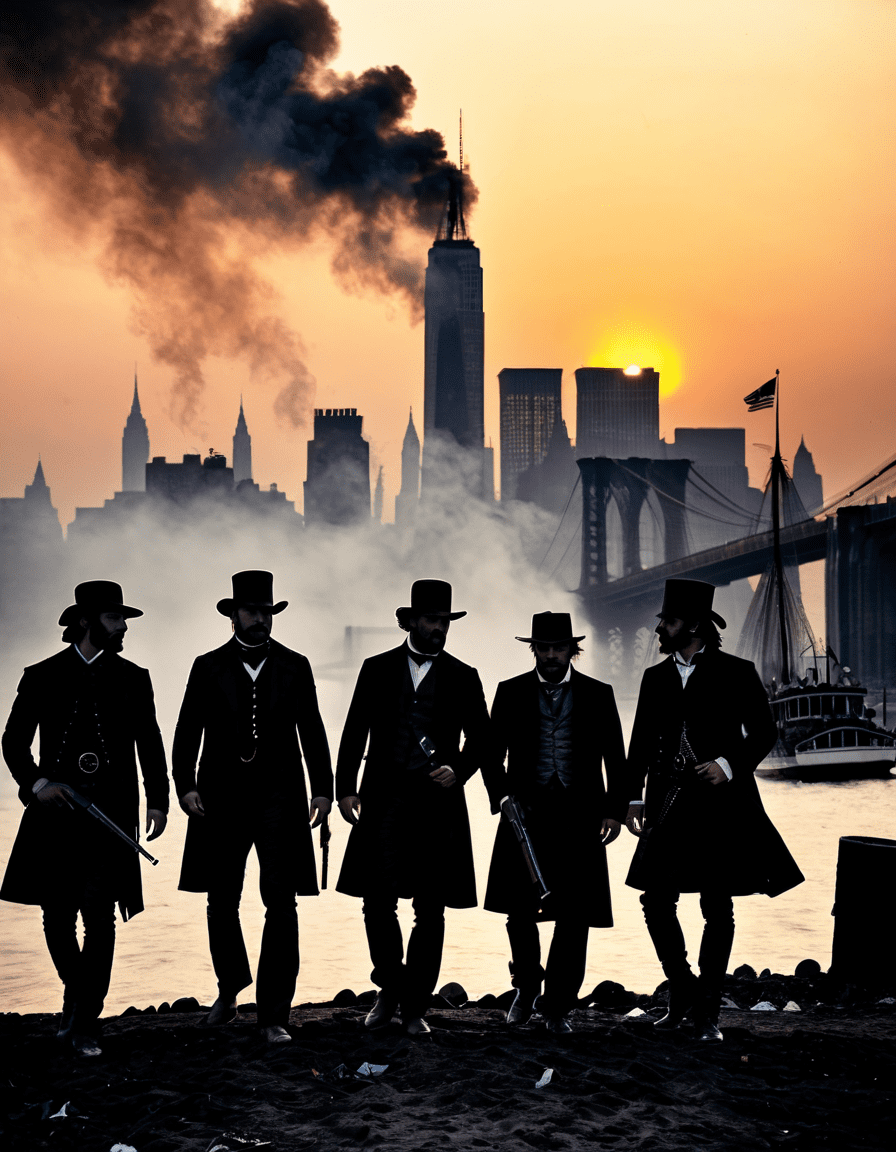
The roots of gangs in New York City can be traced back to the early 1800s when waves of immigrants fueled rapid urban growth. The clash of cultures among groups like the Irish, Italians, and Germans created a combustible environment. Take, for instance, the Bowery Boys, a gang who represented the interests of the native-born American population. On the flip side, the Dead Rabbits, with their Irish roots, often found themselves embroiled in violent confrontations, reflecting not just gang rivalry but the broader social tensions of the time.
Economic desperation played a major role in the rise of these gangs. With jobs scarce and neighborhoods overcrowded, many turned to crime out of sheer necessity. The infamous “Gangs of New York” highlighted these brutal realities, showcasing how desperation can morph into organized crime. The story may be historical, but it resonates with present-day struggles, which is perhaps why it’s a timeless topic.
This violent clash of communities led to gang dynamics that were about survival. Children grew up learning to fight to claim their turf, while local leaders emerged, trading favors and loyalty for protection. Even today, these power struggles remind us of the societal divides that exist in urban centers, making it essential to understand their origins.
2. Top 5 Infamous Gangs of New York and Their Legacy
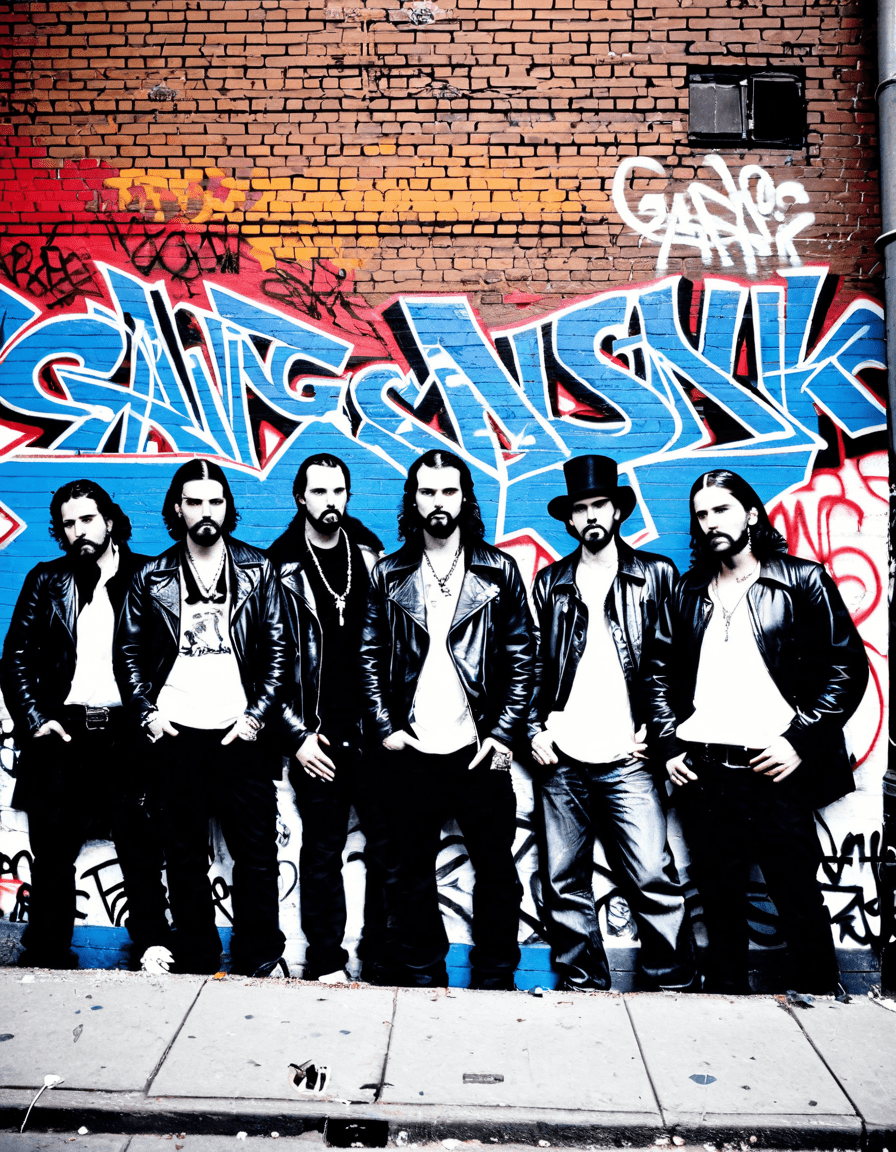
Much can be learned from the violent histories of New York’s gangs, each with its unique flair and influence. Here are five notorious groups whose impact is still felt today.
2.1 The Five Points Gang
Originating in the mid-1800s, the Five Points Gang became synonymous with organized crime in New York. With signature brutality, this gang’s members included infamous figures like John Gotti, whose extravagant lifestyle and ruthless ambition echoed the portrayal of characters in movies like The Wolf of Wall Street. The gang was involved in gambling, racketeering, and other illicit activities that formed the backbone of New York’s underground economy.
Their legacy is a warning of how power can corrupt. For instance, Gotti’s flashy persona and ominous reputation not only made him a target for law enforcement but also etched his gang’s name into the annals of New York’s history. It’s a vivid reminder that the glamor often seen in movies doesn’t tell the whole story of the violence and fear underlying gang life.
2.2 The Genovese Family
As one of the infamous “Five Families,” the Genovese Family has a legacy that’s deeply woven into both criminal and legitimate businesses in New York. Their operations have infiltrated unions and even banks, setting an unsettling precedent that mirrors the kind of systemic corruption seen elsewhere, like LIBOR in London. Their influence stretches far beyond street-level crime, encapsulating a world where corruption flows freely through sweat and deals.
Their ability to blend in and create a facade of legitimacy allowed them to thrive and even shift with the changing tides of law enforcement. For many, the Genovese legacy symbolizes the “family-first” mentality, leading to loyalty that can transcend morality. Through their story, we see a stark reminder: power, if left unchecked, can manipulate economic systems for personal gain.
2.3 The Latin Kings
Tracing back to the 1940s, the Latin Kings stand out for their incredible resilience and flexibility. While they originated as a violent street gang, they’ve evolved into a community organization, showcasing a fascinating shift in their identity. Initially formed to provide solidarity among Latino youths, they’ve focused on community outreach since facing pressure to reform.
This mixed identity—part gang, part community activists—reveals how groups adapt to socio-economic pressures. Their rich history illustrates that even those labeled “criminal” can transition into forces for good. They remind us that struggles aren’t just about violence; they also involve the quest for dignity and respect within a community.
2.4 The Bloods and the Crips
Though originating on the West Coast, the rivalry between Bloods and Crips has reached the East Coast, impacting local gang culture in New York. Their brutal tactics and often flamboyant lifestyles have been romanticized through various media, but the ground reality tells a different story. The tension and violence between these two gangs illustrate a broader commentary on race and community conflict, as well as the desperation that drives recruitment into gang life.
New York’s eclectic mix of identities has added layers to their rivalry, leading to redefined gang affiliations. As they navigate a spectrum of cultural backgrounds, their presence challenges traditional perceptions of gang dynamics, underscoring the shifting nature of urban crime.
2.5 MS-13: From Immigrant to Marauder
MS-13, or Mara Salvatrucha, emerged from a group of Salvadoran immigrants in the 1980s. Known for their particularly vicious methods, they have become one of the most feared gangs in America. Their rise in New York highlights themes of trauma and survival that resonate deeply with immigrant narratives across the country.
Much more than criminals, MS-13 members often reflect the struggles and challenges faced by marginalized communities. Their story isn’t just one of violence; it’s an examination of how trauma can drive individuals toward a life of crime. The complexities of their existence urge a deeper understanding of the socio-economic factors at play, moving beyond surface perceptions.
3. Gangs of London: A Comparative Analysis
When discussing gangs, it’s hard not to draw parallels with their counterparts worldwide, particularly in London. Both cities have endured waves of immigration and industrialization, yet their gang cultures have taken different paths.
For instance, notorious figures like the Kray Twins and the Richardson gang provide insights into London’s unique socio-political climate. They dominated East End crime, blending violence with a sense of community loyalty. The organized crime seen in London often involved conflicts with other gangs, but unlike in New York, it occasionally aligned with local political agendas.
Understanding the historical contexts behind these differing paths is vital. Gangs in London often carried an air of local tradition, while New York’s gangs frequently represented cultural clashes and upheaval. This comparison reveals how localized issues shape the character and behavior of gangs, emphasizing the importance of context in understanding crime narratives.
4. The Socioeconomic Factors Behind Gang Violence
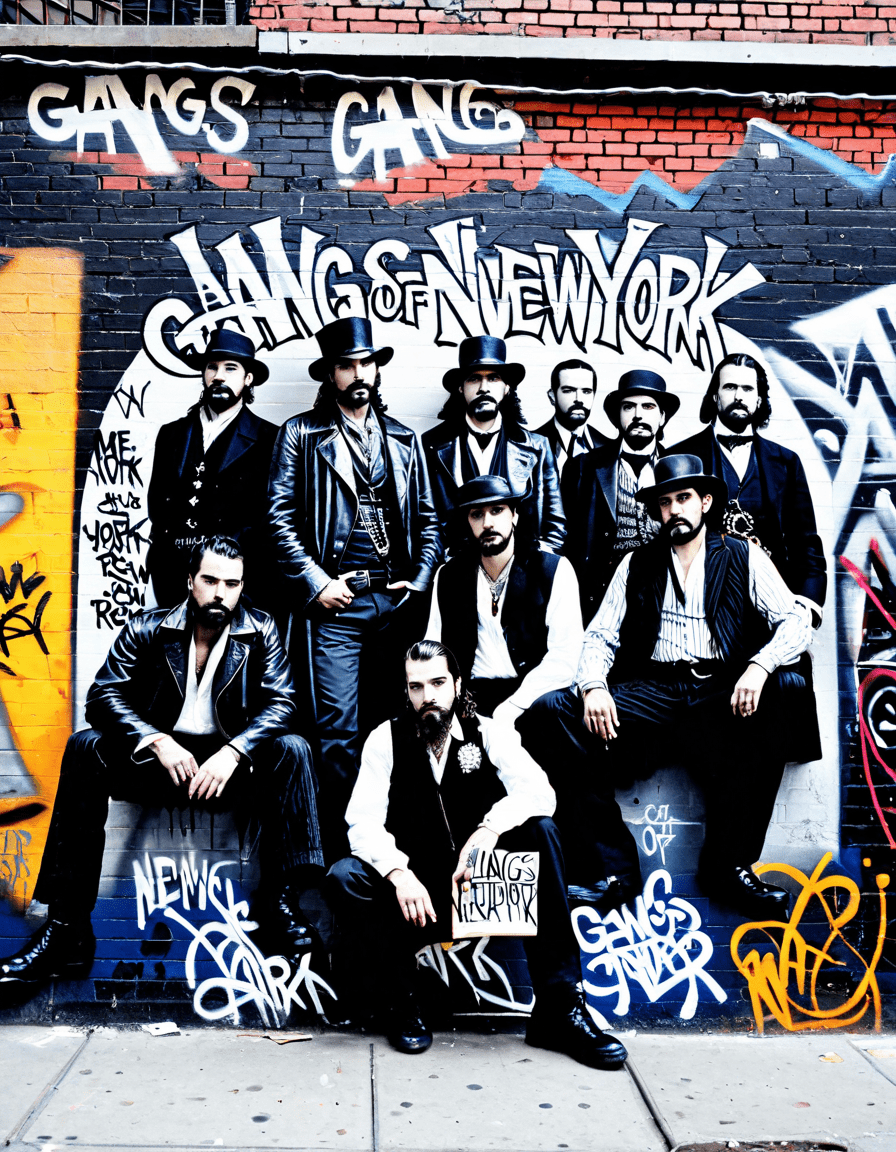
At the heart of gang violence lies a crucial but often overlooked component: economic disparity. Urban poverty, unemployment, and limited access to education feed into the cycles of violence and recruitment. Research has indicated the correlation between these factors and gang membership remains strong, serving as a clarion call for urban policy reform aimed at youth engagement.
Statistics reveal that disadvantaged neighborhoods often see higher gang activity due to limited opportunities. Young people, feeling hopeless and trapped, may view gangs as their only means of securing a better future. This highlights a key aspect of gang culture: it thrives where hope is scarce. Addressing these systemic issues should be a priority if we hope to reduce gang violence in New York.
The sense of urgency around tackling these socioeconomic factors cannot be overstated. From education initiatives to job training programs, efforts must be multi-faceted to engage at-risk youth. When cities invest in community, they directly address the root causes of gang violence and cultivate environments where hope and opportunity can flourish.
5. The Influence of Pop Culture: Gangs on Screen
The representation of gangs in pop culture has had a profound effect on how society views these groups. Often glamorized, movies like The Wolf of Wall Street provide a romanticized image of crime that can mislead young people. The portrayal of gangsters as stylish anti-heroes overlooks the brutal realities and societal issues associated with gang life.
Films and TV shows frequently depict gangs as being steeped in a lifestyle driven by wealth and power, overshadowing the violence that lurks beneath the surface. Characters may draw audiences in with their charisma, but these portrayals carry significant consequences for perceptions of reality. Young viewers may be tempted to imitate what they see, misconceiving the linear path toward glamor and prestige.
The media wields tremendous influence in shaping public perception. How gangs are depicted in pop culture can inspire both fear and fascination, altering how potential recruits perceive gang life. It’s crucial for storytelling to offer nuanced perspectives that reflect more than just a superficial understanding of gang culture, promoting responsible portrayals.
6. The Future of Gangs in New York
As we look ahead, current trends in gang dynamics illustrate that things are shifting. With the rise of social media, traditional shortcuts to recruitment have transformed into fluid alliances that adapt with the times. In an era where information travels fast, gang affiliations are no longer tied to geographic boundaries—they’re now digital.
Law enforcement faces a tougher challenge than ever before. The rapid evolution of gang culture requires innovative strategies to combat it. Experts warn that the upcoming generation may interact with gangs in ways previous ones never could imagine. This instability highlights a need for proactive measures comprising law enforcement, community-centered programs, and policy changes.
As urban landscapes evolve, gangs of New York must be understood within broader cultural narratives. The interplay of economic conditions, cultural identity, and systemic issues remains crucial. By seeking to unravel these threads, we can gain valuable insights into the complexities of urban crime and the human experiences tied to them.
Understanding the brutal power struggles among gangs of New York sheds light on present and future challenges surrounding urban crime. Rather than mere criminality, these stories embrace human struggles, histories, and the quest for dignity. Facing these head-on represents the holistic approach needed to disrupt cycles of violence, fostering an environment where communities can thrive.
In 2026, as society continues to grapple with these deep-rooted issues, taking informed steps toward change becomes ever more pressing. Engaging with the narratives surrounding gangs isn’t just about safeguarding communities; it’s about understanding the multifaceted factors that shape our urban landscapes today.
Gangs of New York: Unraveling the Legends and Facts
A Colorful Cast of Characters
The gangs of New York were notorious for their fierce rivalries, but did you know that they also had peculiar characteristics? For instance, the infamous Dead Rabbits gang, which operated in the mid-1800s, was named after a rotting rabbit carcass used as a symbol of defiance. Their rivalry with the Bowery Boys not only brought violence to the streets but also showcased the chaotic charm of the city. You might find it amusing how a modern icon, the Lululemon backpack,( is far removed from the brutal tools of the trade wielded in those brawls!
The figureheads of those times, like Bill the Butcher, became local celebrities. Bill wasn’t just a gang leader; he was also a well-known butcher who embodied the spirit of his crew. Speaking of celebrity, did you know that David Ortiz,( the famous baseball player, once mentioned how the legends of old-school New York gangs inspired his tenacity on the field?
The Undercurrent of Society
Beyond the violence and crime, the gangs of New York played vital roles in shaping the community dynamics. They were often involved in politics and had significant influence over local elections. During the Five Points era, organized crime was the backbone of social structures, acting almost like a community service organization. It’s fascinating to think that while some used violent power plays, others, like the prominent figure Carmen Sandiego,( showcased that cunning and wit could also turn the tide in city affairs.
Interestingly, the culture surrounding the gangs has influenced creative works over the years. The recent Oppenheimer film( captured the darker side of human ambition, resonating with the gang narratives of past centuries. Their stories remind us that behind every brawl is a human, often driven by the desire for power or belonging.
Modern Reflections in the Ring
Fast forward to today, and you’ll find that remnants of these historic rivalries can still be seen in modern entertainment. For example, blending grit and drama, Monday Night Raw( often features storylines that mimic the rivalries of New York’s past gangs. With theatrical sketches reminiscent of those street encounters, it’s evident how history feeds contemporary narratives.
And let’s not forget, the meticulous fashion sense adopted by modern street gangs echoes the styles of old, complete with signature motifs and colors. A brand like Brooklinen( even pays homage to accessible luxury, which might seem ironic given the rough-and-tumble image of the gangs of New York. Yet, in every thread, there’s a story of struggle, identity, and resilience, keeping the legacy alive well into the 21st century.
In exploring the gangs of New York, we see that history dances a fine line between brutality and cultural evolution—a narrative steeped in layers of violence, identity, and community that persist in both past and present.