The term “King of Kings” has echoed through time, symbolizing authority beyond ordinary rulers. It tracks back to ancient Mesopotamia, where the Akkadian Empire wielded power, claiming supremacy. The phrase not only defined political hierarchy but also found its way into Christian theology, creating deep layers of meaning that resonate with cultures around the world. Leaders like Cyrus the Great adopted this title, emphasizing unity under one crown. The journey of this title reveals the intricate relationship between power, legacy, and the spiritual dimensions that have shaped societies throughout history.
The Historical Context of the King of Kings
Tracing the roots of “King of Kings,” we discover an expansive heritage. Initially, in ancient civilizations, kings relied on divine sanction to legitimize their rule. The Akkadians first used this title to highlight the supremacy of their leaders, establishing a political narrative that would be echoed by many. As successive empires rose and fell, the notion evolved, reflecting the changing dynamics between governance and spirituality.
Cyrus the Great, often hailed as the first to carry the title, founded the Achaemenid Empire with a vision of tolerance. His policies blended diverse cultures, illustrating that leadership wasn’t just about power, but unity and respect for differences. This whiff of political idealism remains relevant, showing how the title “King of Kings” encapsulates leadership that resonates beyond borders.
The title also permeated into religious contexts, particularly in Christianity. Here, it symbolizes Christ’s spiritual governance, elevating the concept from mere authority to divine kingship. This duality—political and spiritual—hints at an ongoing discourse about what it means to be a leader. The legacies left behind by those who held the title challenge us to consider how authority can align with compassion and wisdom.
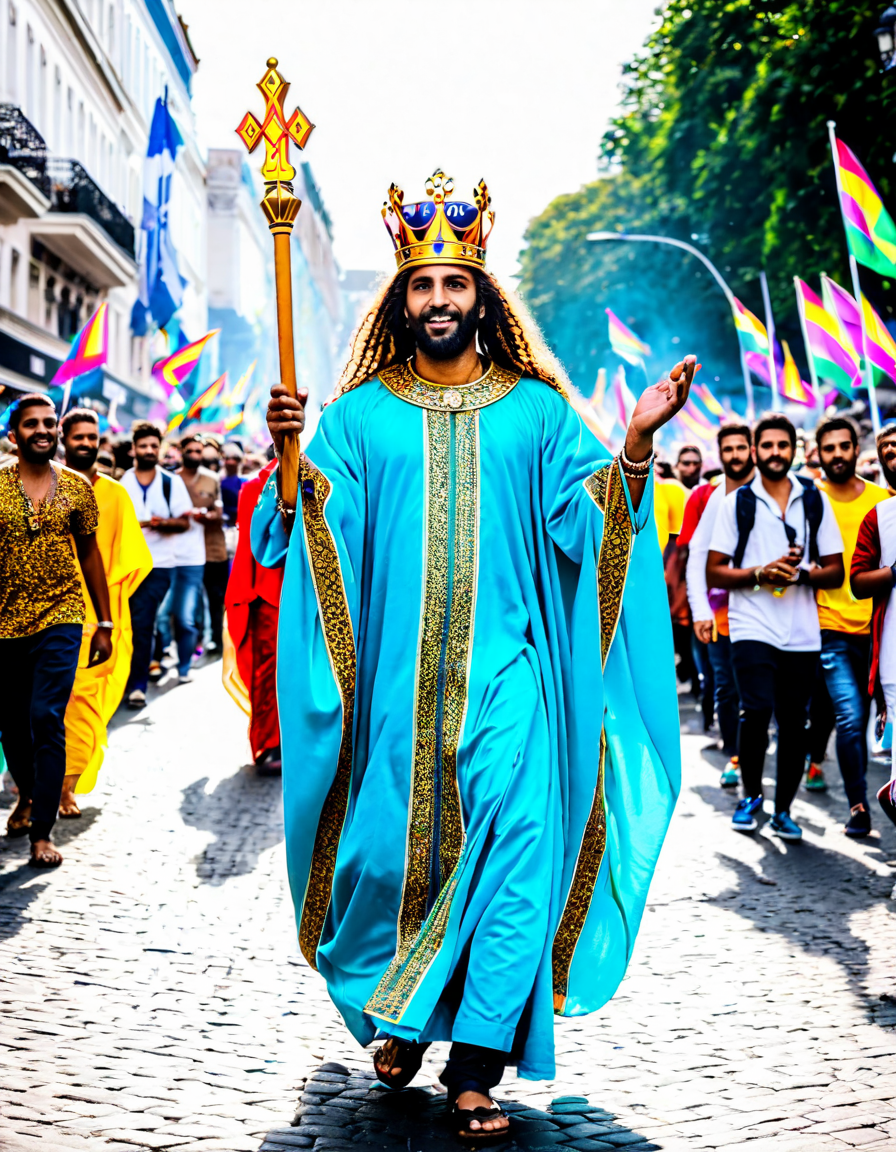
Top 7 Kings of Kings Throughout History
The original “King of Kings,” Cyrus is celebrated for his vision of governance. He conquered vast territories but promoted tolerance, allowing their cultures to thrive. His legacy inspired future leaders, reminding us of the impact of enlightened rule.
Reigning over a golden age, Solomon’s wisdom was legendary. The biblical texts depict him not just as a ruler but as a sage. His ability to rally the tribes of Israel forged a cultural identity that still evokes admiration today.
Often referred to as the father of Europe, Charlemagne’s reign sparked the Carolingian Renaissance. He brought learning and culture back to life, demonstrating how a king could influence the intellectual foundations of society.
Akbar was synonymous with cultural pluralism in India. His administration bridged religious divides, forming a sense of unity amid diversity. This legacy of tolerance positions him as a “King of Kings” in the hearts of many.
Peter’s transformational leadership modernized Russia. He introduced Western technology and culture, setting the stage for a new era. His bold reforms defined Russia’s trajectory as a European power.
Haile Selassie strengthened Ethiopia’s sovereignty and inspired movements for African unity. His resolve against colonial oppression imbued the title “King of Kings” with newfound relevance in the fight for freedom.
Though a poet rather than a traditional monarch, Tagore’s impact as the “King of the Poets” enriched Indian culture. His literary works fostered national identity and demonstrated that kingship can also arise from artistic expression.
The King of Kings in Modern Culture: The King of Kings Movie
The cinematic exploration of the “King of Kings” finds significant expression in Nicholas Ray’s 1961 film. This dramatization of Christ’s life breathes life into the title, delving into the massive themes of sacrifice and redemption. By examining Christ’s trials, the film engages viewers with the moral authority of kingship, showing how it remains relevant in today’s society.
The King of Kings movie is pivotal in Christian cinematic history, helping audiences grapple with the complexities of faith and leadership. Following suit, films like Mel Gibson’s The Passion of the Christ (2004) have also captured the imagination, emphasizing the emotional weight of sacrifice and the quest for truth. Today’s viewers are increasingly drawn to narratives that not only entertain but challenge societal values surrounding authority and morality.
Animation has also taken a significant leap. Movies like The Prince of Egypt (1998) and Netflix’s The King of Dreams revisit themes of faith and divine intervention. These adaptations keep alive the stories of figures who embody the very essence of what it means to be a “King of Kings.” By blending entertainment with poignant storytelling, these films serve as touchstones for cultural reflections around kingship.
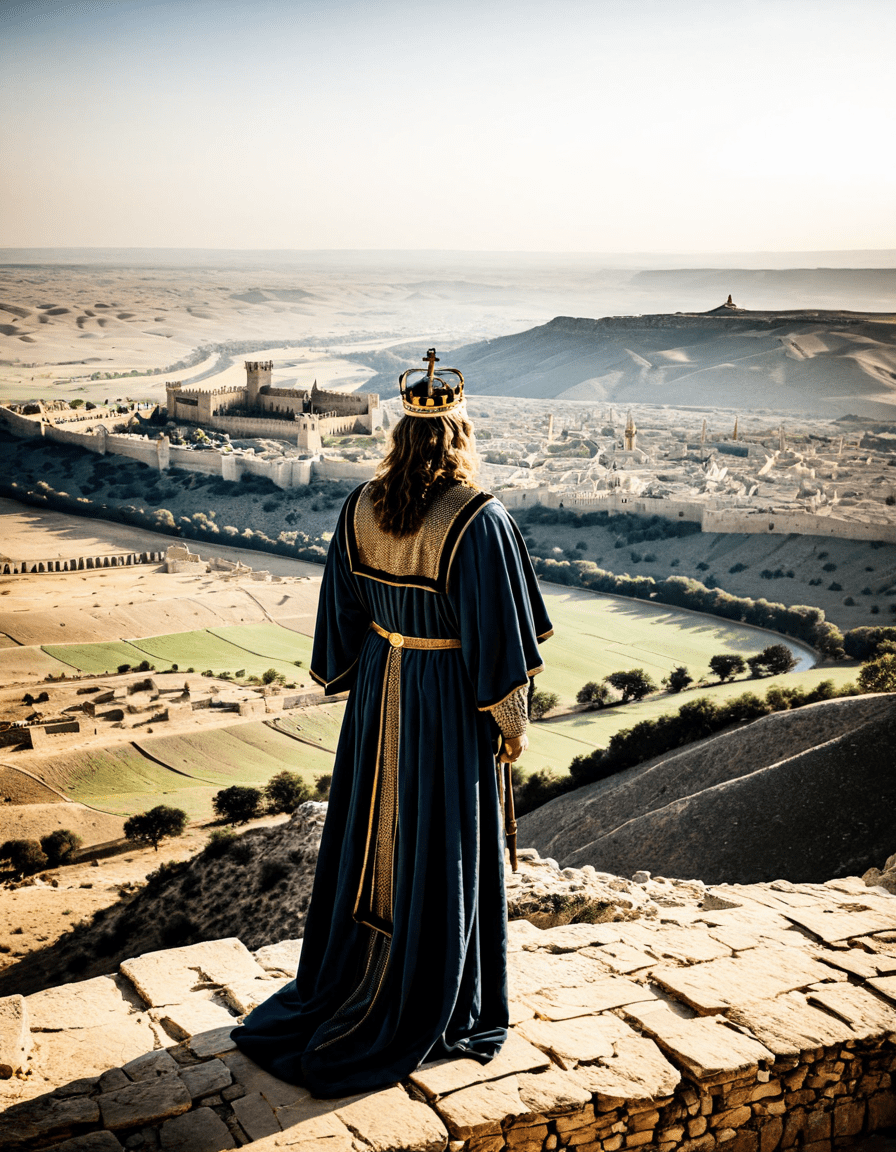
The King of Queens: A Feminine Perspective on Power
In the landscape of leadership, the phrase “King of Queens” celebrates the emergence of feminine power. The concept challenges historical patriarchal norms, giving rise to figures like Cleopatra VII and Queen Elizabeth I. These queens showcased authority in eras dominated by men, proving that leadership isn’t confined to gender.
In contemporary discourse, women leaders like Angela Merkel and Jacinda Ardern are frequently praised as “kings” in their own right. Their leadership styles exemplify a blending of traditional roles where authority is no longer strictly a masculine attribute. The acknowledgment of women’s contributions in governance signifies a shift in how societies perceive leadership dynamics.
Women are reshaping narratives around power and authority. As we navigate the complexities of modern governance, the success of female leaders underscores the necessity of inclusivity within the political arena. Their prowess amplifies the call for broader acceptance of diverse leadership styles, representing a significant evolution in our understanding of the “King of Kings” title.
The God of War: Kings in Military History
Throughout history, the title “God of War” often coincided with kings who displayed military might. Figures like Genghis Khan and Alexander the Great demonstrate the intertwining of kingship with effective warfare and strategy. Genghis Khan’s Mongolian Empire reshaped borders through sheer tactical genius, forever altering the political landscape. Meanwhile, Alexander’s ambitious conquests drove the spread of Hellenistic culture, leaving an indelible mark on history.
In contemporary times, military leaders echo the ethos of these historical figures. General James Mattis embodies the “warrior king” archetype, blending leadership with tactical acumen. Their emphasis on strategic foresight mirrors those kingly responsibilities that once shaped empires.
The legacies of these “God of War” kings illustrate the profound impact of military power on governance. As nations grapple with the lessons of history, the narratives of warrior kings offer a lens through which we can examine modern conflicts and leadership approaches.
King of the Hill: Socio-political Metaphors in Leadership
The phrase “King of the Hill” encapsulates the competitive essence of leadership in modern political spheres. It symbolizes the ongoing struggle for power, often mirroring how historical kings navigated their realms. The rise of populism and challenges to established leaders reflect the dynamics of this metaphor, highlighting a constant jockeying for political influence.
Contemporary leaders like Donald Trump and Boris Johnson show how “kingly” influence can generate both fervent support and backlash. Their leadership styles invoke the notion of a king atop a hill, where power can shift swiftly based on public perception and opinion.
In the global age, social media has transformed the game. Politicians utilize platforms to assert authority and connect directly with their constituents, often blurring traditional hierarchies. The interplay of power and popular sentiment continues to define leadership today, revealing an enduring resemblance to ancient kingship struggles.
Legacy and Relevance of the Title “King of Kings”
The intertwined history of the title “King of Kings” speaks volumes about authority, leadership, and cultural nuance. Its evolution from ancient civilizations to modern society captures a timeless dialogue about power’s nature. Today, this phrase extends beyond mere title—it prompts us to reflect on what effective leadership should embody across cultural landscapes.
Past “Kings of Kings” offer potent narratives that endure, insightful for future generations. As we face global challenges, their wisdom functions as both a warning and a beacon. By understanding the legacies of those who aspired to be great leaders, society can sculpt a future that respects both authority and moral compass.
In essence, the legacy of kingship—embodied in the title “King of Kings”—remains relevant. Cultural representations and actual governance continue to shape our evolving understanding of what it means to lead with compassion, vision, and integrity. This journey through history isn’t merely academic; it challenges us to inherit the duty of leadership as we navigate the complexities of our own time.
This article aims to provide a comprehensive overview of the legacy of the “King of Kings” while integrating modern examples and perspectives beyond traditional rulership.
King of Kings: Journey Through History and Legacy
An Insightful Look at the Title
Ever wonder how the term ‘king of kings’ evolved over time? This grand title has been used across various cultures, symbolizing the highest authority among rulers. The earliest known use traced back to ancient Persia, denoting the emperor who ruled over other kings. Fast forward to today, it’s also a phrase found in modern storytelling, captivating audiences—much like your favorite Marvel characters, who often wrestle with titles of power and responsibility.
Influences of Pop Culture
Not only does ‘king of kings’ hold historical weight, but it’s also influenced pop culture significantly. For instance, in the world of comic books, characters like Luke Cage embody struggles for justice and authority in their narratives. These tales often reflect the battle for supremacy; they ask compelling questions—what does it truly mean to be a leader? And speaking of battles, did you know that even rock legends like Ozzy Osbourne have been quizzed on their mortality? People wonder, “Did Ozzy Osbourne die?” as they refer to the myths and folklore surrounding iconic figures.
Legacy and Modern Perspectives
In a more modern perspective, the term ‘king of kings’ finds its echo in how we define leadership and dominance in various fields today. One can look into successful brand strategies where leaders are often regarded as kings in their industries. For instance, effective Speaker branding strategies are essential for anyone hoping to reign supreme in their professional niche. Surprisingly, historical figures have been compared to modern leaders in their sectors—sometimes veering into territory like home ownership. If you’re looking for the cheapest state to live in, the economics of leadership gets pretty interesting, as place shapes authority to a large extent.
All in all, whether it’s through ancient texts or the latest cinematic release, the legacy of the ‘king of kings’ continues to be relevant. Even military technology, like the MiG-23, carries that name’s weight, underscoring power and dominance in modern warfare. Just like Brian Doyle Murray’s comedic take on authority figures in films, the notion remains: kingship is not just about a crown, but the story each leader tells. So, what’ll your story be?