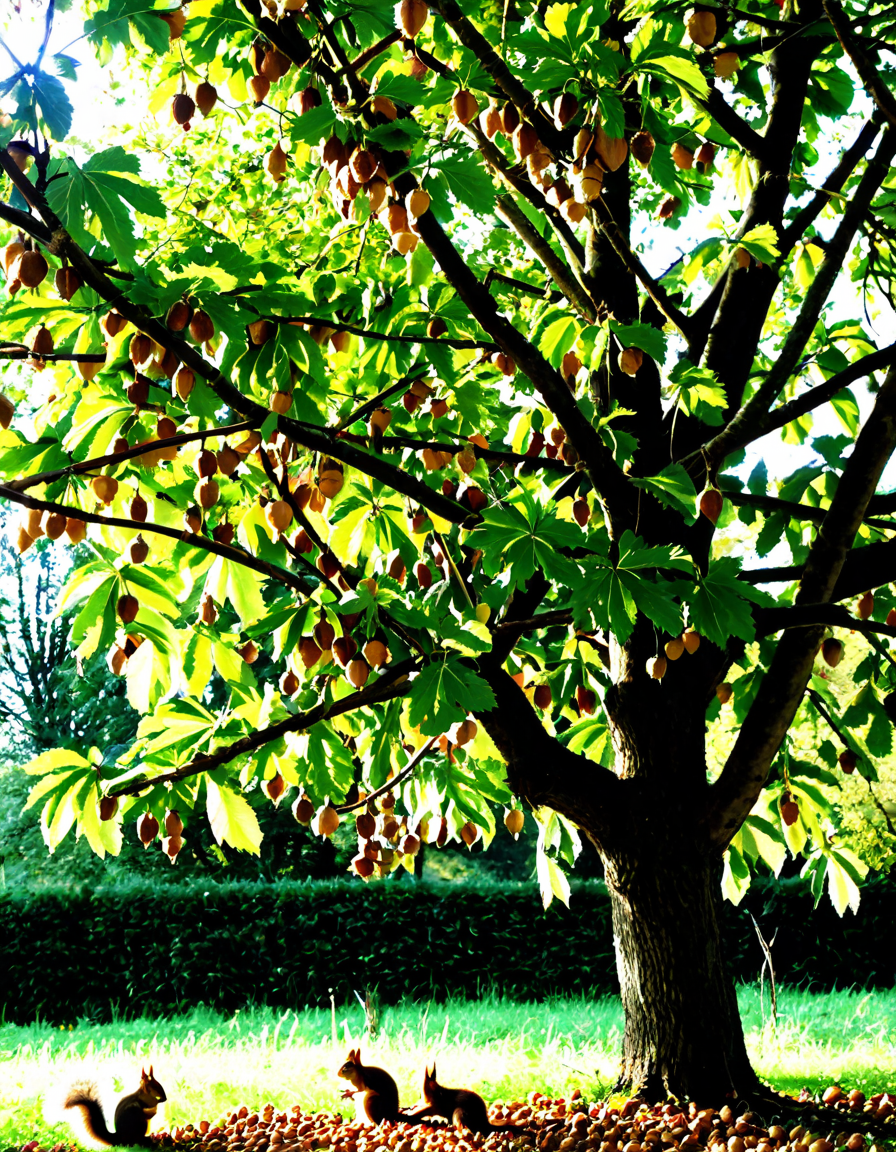
The hazelnut tree (Corylus avellana) is more than just a source of delicious nuts; it’s a treasure trove of potential for both seasoned gardeners and new enthusiasts. This guide will unveil the secrets behind successfully growing hazelnut trees, allowing your garden to flourish like never before. With the right conditions, these trees can produce nuts for over 50 years, transforming your backyard into a sustainable oasis. Imagine savoring your homegrown harvest while impressing friends with your horticultural prowess! So, let’s dive deep into the sweet world of hazelnut trees and explore how to cultivate a bountiful harvest.
1. What Makes the Hazelnut Tree a Delight for Growers?
Growing hazelnut trees isn’t just about nurturing plants; it’s about integrating a sturdy member of the flora family that brings more than just nuts to the table. Not only do they thrive in temperate climates, but they also flourish in well-drained, loamy soil—a huge advantage over the finicky string of turtles (Peperomia prostrata) or king palm tree (Archontophoenix cunninghamiana), which have stricter soil requirements.
The adaptability of hazelnut trees makes them a true gem for gardeners looking for versatility. They can withstand various soil types and even support the growth of nearby plants like the beautiful weeping cherry tree, making your landscape a flourishing ecosystem. Yet, the tree’s need for cross-pollination from different varieties is crucial; this synergy increases yield and adds to the garden’s diversity. Planting multiple varieties creates an engaging and productive environment.
With their long lifespan and high production potentially spanning decades, hazelnut trees are a reliable choice. Imagine the joy of harvesting your nuts while knowing that these trees will continue to bear fruit for generations. So, why not embrace these magnificent trees and enjoy the benefits they offer for both your palate and your landscape?
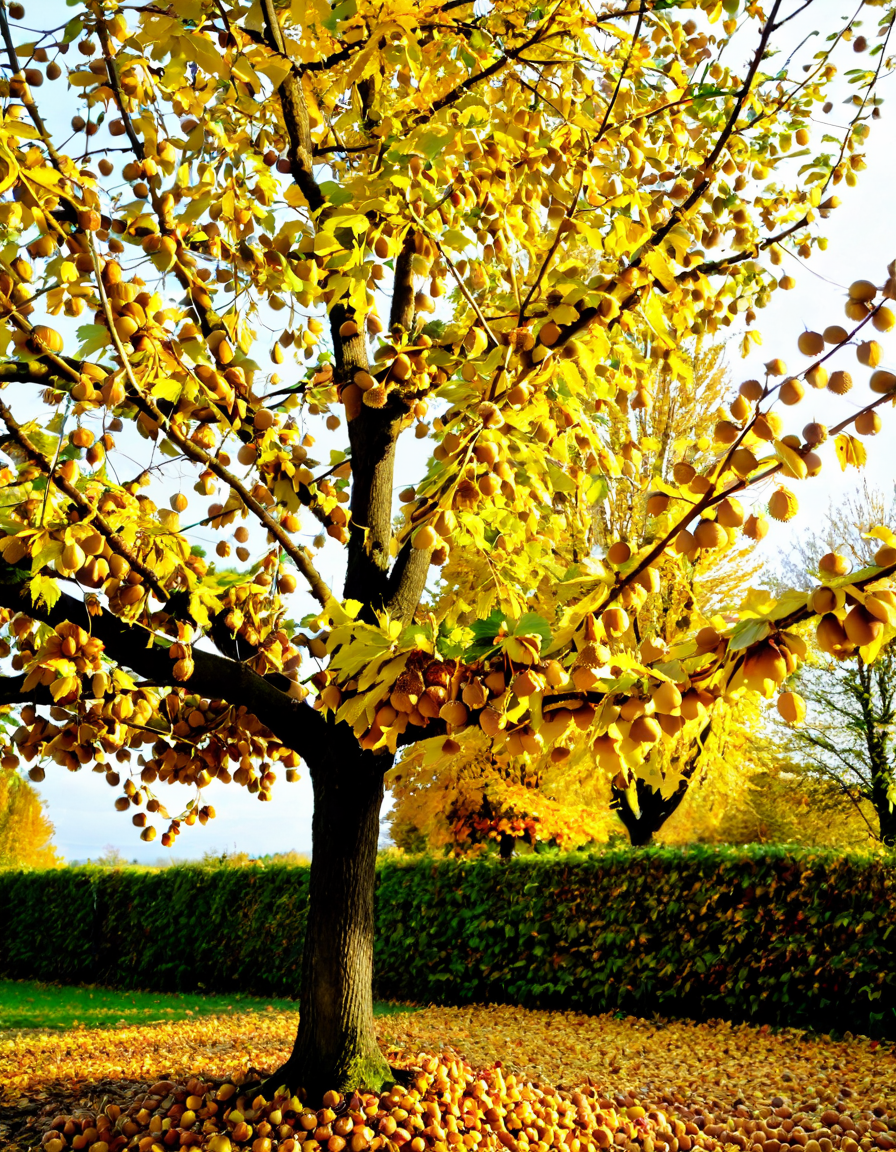
2. Top 7 Secrets to Cultivating a Thriving Hazelnut Tree
2.1 Choose the Right Variety
Picking the right variety is crucial if you’re aiming for a successful hazelnut tree harvest. Not all varieties are created equal! The ‘Barcelona’ hazelnut tree is known for its heavy production of large, flavorful nuts, making it a top choice for those who want to really make the most of their harvest. On the flip side, the ‘Ennis’ variety stands out due to its resilience against diseases and harsh weather conditions, making it a solid selection for newbie growers or regions with unpredictable climates.
When selecting your hazelnut tree variety, keep your local climate in mind. Some trees perform better in specific regional conditions, and understanding which varieties thrive in your area can make all the difference. Don’t hesitate—do your research and consult local agricultural extensions for the best advice!
2.2 Optimal Planting Conditions
Establishing a strong foundation starts with optimal planting conditions. Hazelnut trees prefer a soil pH level between 6.0 and 7.0, so testing your soil is a essential step in your gardening journey. If adjustments are needed, incorporating compost or other organic matter can boost soil health, ensuring that your hazelnuts receive the nourishment they need.
Timing is also key! Early spring is the best time to plant your hazelnut tree. This allows the tree to establish its roots before the heat of summer kicks in. Ensuring even moisture during those formative months will set you up for years of summer nut harvests!
2.3 Pruning Techniques for Better Yields
Pruning is more than just aesthetics; it’s a practice that can enhance the growth and productivity of your hazelnut tree. Regularly removing dead or overcrowded branches helps improve air circulation and sunlight penetration, thereby boosting the quality of your nuts. According to research from Oregon State University, proper pruning techniques can increase nut clusters by up to 30% in well-cared-for orchards. Talk about a no-brainer for better yields!
Keep your tools clean and sharp to make the pruning process effective. Aim for light pruning and avoid heavy cuts to maintain the tree’s vigor. A little attention to detail here can result in a significant uptick in your harvest.
2.4 The Role of Pollination
Now let’s tackle one of the vital players in your hazelnut-growing game: pollination. The fact is, hazelnut trees are not self-pollinating, which means you’ll need to plant multiple varieties in close proximity. This cooperation between different hazelnut trees significantly increases the chances of successful fertilization.
For optimal results, it’s wise to consult your local agricultural experts for compatible varieties that bloom around the same time. This careful planning can lead to lush clusters of nuts and a stunning display of blossoms in your garden.
2.5 Pest and Disease Management
Pests can pose a serious threat to the potential of your hazelnut tree. Notorious culprits like the Filbert worm can cause significant damage if left unchecked. Implementing Integrated Pest Management (IPM) strategies is a game-changer. This includes introducing beneficial insects—hello, ladybugs!—and maintaining a clean, debris-free garden to minimize pest exposure.
Vigilant monitoring is key! Regularly inspect your trees for aphids and blight, as untreated infestations could lead to a steep decline in yields. Keeping on top of this will go a long way in nurturing your hazelnut tree.
2.6 Watering Practices for Productivity
When we talk about watering practices, consistency is vital. While hazelnut trees are relatively drought-tolerant, they still crave regular hydration—especially in their early years. Setting up a drip irrigation system can deliver the moisture precisely where needed, avoiding both waste and the dreaded over-saturation that leads to root rot.
Research demonstrates that moderate, steady watering translates into healthier and more productive trees. So, don’t skip this crucial step—your trees will thank you!
2.7 Companion Planting for Maximized Growth
The idea of companion planting can significantly boost the health and productivity of your hazelnut trees. Consider adding butterfly pea flowers to your garden. These nitrogen-fixing legumes can enrich the soil around your hazelnuts, promoting better growth. What’s more, planting a weeping cherry tree nearby can enhance your garden’s micro-ecosystem, benefiting both plants.
These companion plants not only help improve soil quality but also attract pollinators, ensuring that your hazelnuts receive maximum fertilization. What a win-win!
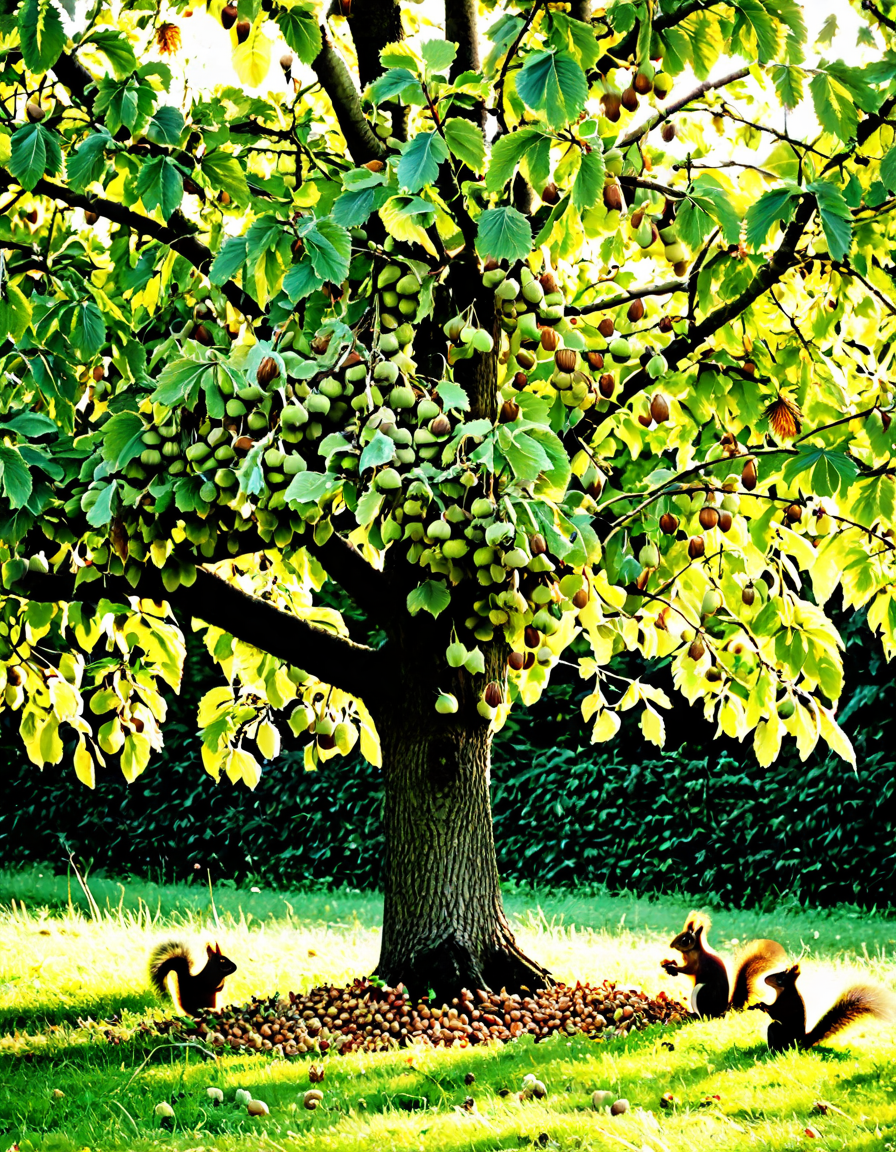
Embracing the Hazelnut Tree for a Flourishing Future
Growing hazelnut trees opens a universe of possibilities for sustainable gardening and nutrient-rich harvests. With wise variety selection, an understanding of environmental needs, and applying advanced gardening techniques, your hazelnut trees can flourish like a well-rehearsed symphony. This interplay of ecological relationships—encouraging plant companions and maintaining healthy conditions—creates an environment ripe for surprising yields.
The journey into hazelnut cultivation isn’t just about harvests; it’s about nurturing a connection to the land that resonates through generations. Each nut you harvest tells a story of commitment and care! So, roll up your sleeves, choose wisely, and enjoy the fruits of your labor, proudly echoing through the years. For further engagement with the natural beauty around us, consider checking out our articles on Jewelery, the Palo Verde tree, or even the Canon Rebel t6 for documenting your gardening journey. Happy gardening!
Hazelnut Tree Secrets to Growing Bountiful Harvests
Fun Facts About Hazelnut Trees
Did you know that hazelnut trees can live for over 80 years? That’s a good chunk of time to enjoy their delicious nuts. They generally reach maturity in about four to five years, making them a popular choice for those wanting to dive into nut cultivation without too long a wait. Much like how the true detective season 1 cast delivered gripping performances over a season, hazelnut trees also promise a satisfying yield season after season! If you’re toying with the idea of planting one, make sure to pick the right variety for your climate.
Not just for their tasty nuts, hazelnut trees have interesting growth habits too. They can produce flowers as early as winter, and their catkins (the male flowers) create quite a spectacle against the backdrop of snowy terrain. It’s like a performance that puts all time low hits into perspective—put a little time in, and you’ll get rewarded with nature’s very own edition of a rock concert! Plus, these trees tend to spread through underground suckers, which means they can form a mini grove over time.
Cultivation Tips
When you’re planting your hazelnut tree, spacing is key. Ideally, give them about 20 feet apart to ensure ample sunlight and airflow. You wouldn’t want to come across a situation like Brian Bloom faced—too much delicious competition can lead to crop failure! Ensuring each tree has its fair share of space will lead to a more productive harvest. It’s also important to prune them regularly to encourage strong growth and nut production; think of it as giving them a fresh haircut for a potential day out in the forest.
And here’s a quirky bit of trivia: hazelnuts are often used in desserts for their rich flavor. They can take center stage in recipes or act as a complementary player, similar to how mini pre models can elevate a film’s aesthetic without overshadowing the main plot. So, whether you consume them raw, roasted, or blended into a delightful spread, each nut packs a punch of flavor. With a little know-how and the right environment, you’ll find that your harvest can be as grand as an infinity castle arc release date celebration in the anime world—highly anticipated and undeniably rewarding!
Hazelnut Trees and Their Uses
Did you know the nut of the hazelnut tree has been cultivated for thousands of years? Ancient civilizations, much like the character Cid Kagenou, have relied on their rich nutrition and versatile use in cooking. These nuts are not just snacks; they’re packed with antioxidants and healthy fats, making them a star ingredient in everything from chocolates to salads. The history and nutritional benefits together make hazelnut trees a cherished addition to any garden. So why not give them a shot? You might just find yourself savoring the fruits of your labor before long!