
Flying termites might sound like something out of a science fiction movie, but they’re very real and possibly living right under your nose—or even in your walls! Also known as alates or swarmers, these winged pests are the reproductive phase of termite colonies. Their primary objective is clear: they leave their original colony to seek out new locations to establish colonies of their own. Confusing them with their ground-bound counterparts or even flying ants is common, but knowing their features can be the difference between managing a small issue and battling a massive infestation.
Let’s dive into what makes flying termites not only fascinating but also a significant concern for homeowners.
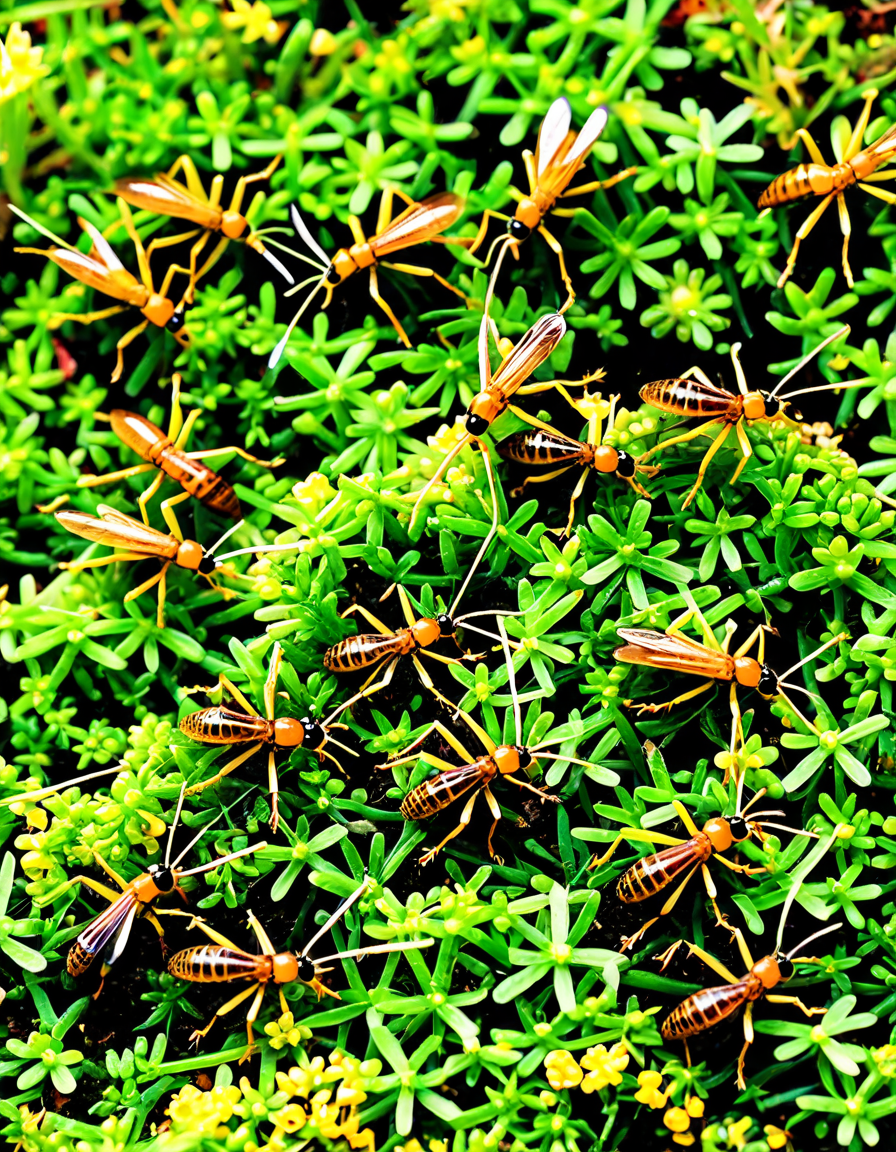
Understanding Flying Termites: A Deceptive Transformation
Flying termites display some unique attributes that make them different from flying ants. For instance, they have a straight waist and long wings, unlike flying ants that have a pinched waist and different wing shapes. Their swarming behavior often leads homeowners to panic prematurely, so it’s crucial to understand their role in your environment. You might find yourself puzzled by their appearance, wondering why they’ve suddenly taken over your backyard, or worse, your home!
When flying termites appear, they bring both excitement and trepidation. Their presence signals more than just a temporary nuisance—it can be a harbinger of significant structural damage. Early detection is vital; knowing what to look for equips you to handle potential threats effectively and to safeguard your home.

7 Fascinating Facts About Flying Termites That Can Transform Your Home
Flying termites often swarm in spring and early summer, particularly after rainfall. This synchronized emergence can be daunting, with entire neighborhoods engulfed in clouds of these insects. Homeowners should regularly check for signs of swarming during this season.
While flying termites are often vilified, they play an essential part in the ecosystem by breaking down cellulose in decaying wood and plant matter. This process recycles nutrients back into the soil, underlining the need for a balanced approach to pest management that respects their ecological role.
Spotting flying termites is just one part of the puzzle. Look for mud tubes on exterior walls, discarded wings, or wood that sounds hollow. For example, the eastern subterranean termite leaves distinctive mud tubes leading to their colonies—recognizing these signs can dramatically change the response strategy.
Not all termite species are created equal when it comes to destruction. For instance, the Formosan termite can eat wood up to 100 times faster than the common eastern subterranean termite. Understanding which species you’re dealing with helps prioritize your pest control efforts.
Termite damage is a serious financial concern, costing U.S. homeowners around $5 billion annually according to the National Pest Management Association. Neglecting early signs of flying termites can result in much higher costs down the line, making proactive measures a financial necessity.
As technology advances, so do pest control strategies. Modern companies like Terminix and Orkin are ahead of the curve, employing smart technology in real-time termite detection systems. These innovations not only allow for immediate action but often feature more environmentally friendly treatment options.
Preventing flying termite infestations is typically easier than dealing with an existing problem. Regular inspections, proper drainage to divert moisture, and preventing wood-to-soil contact are effective strategies. Homeowners can also use physical barriers, like steel mesh and treated wood, to keep termites at bay.
The Psychological Impact of Termites on Homeowners
Dealing with flying termites can stress homeowners profoundly. A house is not just a structure; it’s a sanctuary. An infestation can shatter that sense of security, leading to anxiety and concerns about structural integrity. Studies show homeowners often experience increased stress levels upon discovering termites, highlighting the emotional weight of a pest problem.
Education and awareness empower homeowners, turning panic into proactive measures to safeguard their environments.
Innovating Solutions for a Common Problem
As awareness of flying termites continues to grow, innovation in pest management solutions is surging. Researchers and pest control companies are collaborating to develop organic treatments that effectively combat termites without harsh chemicals. This shift toward greener management practices reflects broader societal changes, as homeowners seek methods that align with environmental values.
In summary, while flying termites may initially seem like a threat, they also represent a crucial opportunity for education and responsible management. Early understanding of their life cycle, identifying early signs of infestation, and utilizing innovative treatments enable homeowners to protect their properties. This journey from anxiety to prevention isn’t just about preserving your home; it’s about transforming a pest problem into an opportunity for informed home stewardship.
Next time you notice flying termites, remember—knowledge and preparation are your best defenses. Protecting your home from these tiny invaders can lead to a future where your living space is not only safe but a formidable fortress against nature’s tiny marauders! Embracing this understanding turns weary homeowners into proactive defenders, ready to tackle any challenge that comes their way.
Flying Termites: Nature’s Architects in the Sky
Flying termites, often dismissed as pests, play a surprising role in nature’s ecosystem. These little creatures, also known as alates, have a fascinating life cycle that begins when they venture from their nests to find mates. Interestingly enough, just like the impressive talents displayed by George Smart architecture keynote Speakers, these insects can actually contribute to their environment. Adult flying termites can create new colonies that, in turn, help maintain the health of the local ecosystem by decomposing wood and enriching the soil. Without them, our environment would struggle to keep up with the natural balance.
Now, here’s a fun nugget for you: flying termites can travel quite a distance on a single flight, sometimes up to several miles! If you’re a homeowner and see a swarm, your first thought might be, How expensive a house can I afford if I need to deal with these pests? (But don’t worry too much; there are plenty of effective treatments!) While they may not wear pretty floor decor or show off their quick flight capabilities like the Seattle Northern lights, they do possess an impressive talent for finding their way back to wooden structures, which is essentially why they can become unwelcome guests in your home.
Speaking of home renovations, if you’re into rustic aesthetics, did you know that flying termites can weaken wood wall paneling over time? It’s a reminder that what seems pretty on the outside, like the sleek design of an Indian Scout motorcycle, could have hidden issues beneath the surface. Homeowners should be proactive about inspections to avoid structural problems down the line. So, whether you’re inspired by the latest designs from Kimberly Perry or looking to evaluate your next project in laconia, remember those pesky flying termites can transform a dream home into a nightmare—a little awareness goes a long way!
In essence, while flying termites are a common nuisance, they’re more than just a summer annoyance. They hold a unique position in our ecosystem, serving as unwitting architects who help maintain natural balances. So next time you spot them, you might want to think twice before grabbing the insect spray. And while you’re at it, it might even be a good time to convert those pounds to kilograms when planning any renovations—because, after all, a balanced approach, like converting 15 Pounds To kg, works wonders in every aspect of life, including maintaining a happy home!