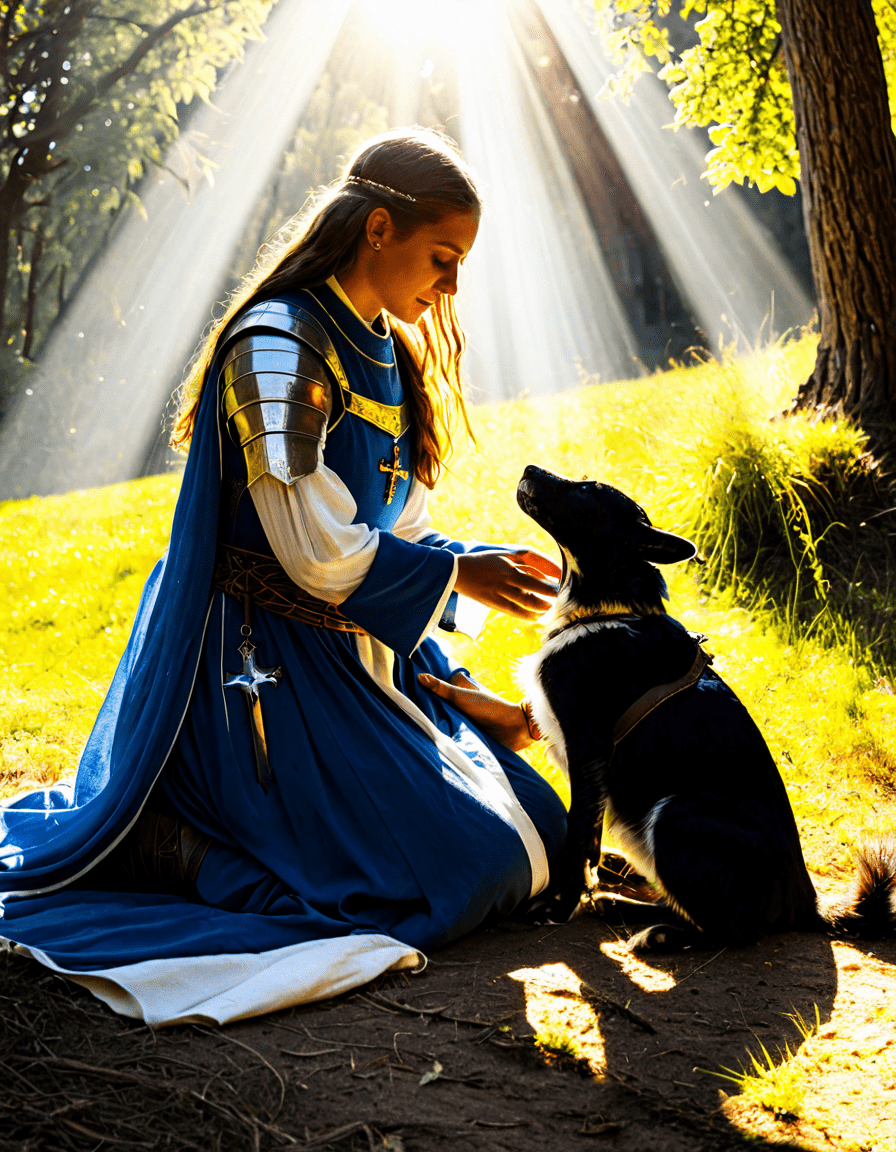
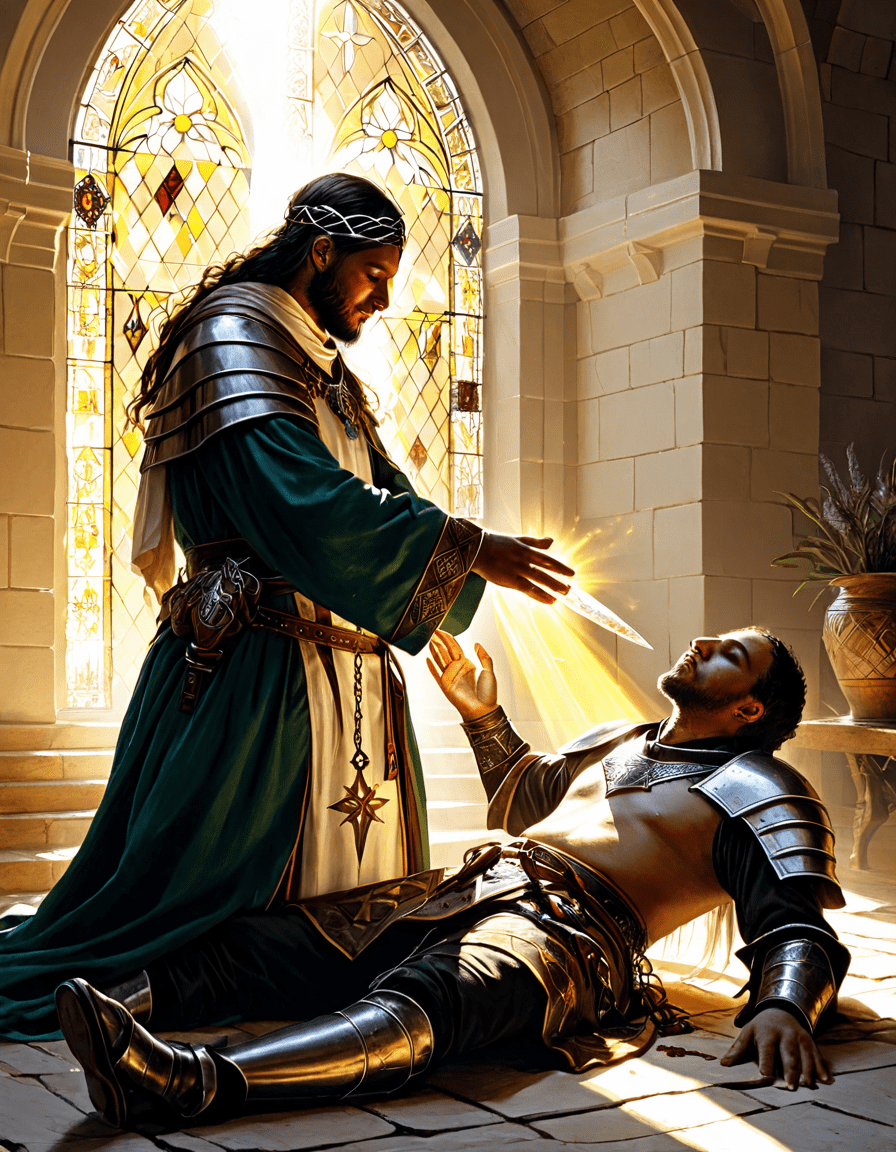
In the vast universe of tabletop gaming, cleric 5e characters stand out for their blend of healing and faith-based abilities. These divine spellcasters harness powers that go beyond mere spells—they represent the essence of hope, rebirth, and the strong bond between the earthly and the divine. The sheer potential of clerics in healing can make or break a party during tense campaigns. Let’s dive deeper into the core aspects that define cleric 5e, exploring their extraordinary ability to heal and mend the soul, right along with their tactical importance in gameplay.
The Seven Aspects of Cleric 5e: A Deep Dive into Healing and Faith
The Role of Divine Domains in Cleric 5e
Each cleric in Dungeons & Dragons specializes in a particular domain, and these domains significantly affect their healing capacity. For example, the Life domain allows a cleric to maximize the effects of healing spells—think of them as the healing champions of the party. Suppose a party faces a fierce dragon, and a Life cleric uses their powerful Cure Wounds spell. The magic springs forth, mending team members’ wounds and rejuvenating their spirits, vital in critical scenarios, especially when lives hang in the balance.
On the flip side, the Light domain offers a different flavor. While it still possesses healing abilities, it also provides powerful offensive spells. A Light cleric might blind foes and offer healing in the same breath. The versatility of clerics thus highlights how their chosen divine domain shapes their role not just as healers, but as multifaceted assets in conflicts.
Spell Mechanics: Crafting the Perfect Healing Spell List
Understanding spell mechanics is crucial for maximizing the effectiveness of a cleric 5e. Key spells include Cure Wounds, Healing Word, and Mass Cure Wounds. Each has its unique applications. For instance, Cure Wounds is excellent for letting someone regain lost hit points, but it requires a touch—so timing and positioning are everything. On the other hand, Healing Word does the trick at a distance, making it perfect for emergencies when a party member is down and far away.
In larger battles, Mass Cure Wounds can provide a substantial health boost to multiple allies at once. Clerics must assess the battlefield in real time, deciding the best moments to use each spell, creating an effective strategy that keeps party members in fighting shape. The dynamic intensity of combat makes these decisions feel even more critical, emphasizing the cleric’s central role in maintaining team morale and strength.
The Importance of Background in Cleric Development
A cleric’s background adds nuance to their healing and faith approach. For instance, a Sage cleric, often rich in knowledge and wisdom, might focus on the philosophical implications of healing. They could view their power as not just a tool, but as a conduit to something larger—a belief that healing can bring about societal change.
Conversely, a Soldier cleric draws from practical combat skills. Their approach to healing tends to be more tactical, focusing on sustaining teammates to continue the fight rather than involving deeper philosophical concerns. These contrasting perspectives create intriguing dynamics within parties and during campaigns, allowing players to explore various facets of belief, responsibility, and heroism.
Case Studies: Notable Cleric Builds in Competitive Play
Looking at notable cleric builds in competitive gaming helps us understand their contributions. Many players have found success with the “Twilight Cleric” build, which combines both healing and protective spell-casting. These clerics shine in critical campaigns, utilizing spells like Spirit Guardians to protect allies while still delivering impactful healing.
Another successful build is the “Peace Cleric,” known for superb crowd control and benevolent healing. Their ability to soothe conflict and bolster allies translates into powerful performances during competitive play. These builds often emphasize unique feats like “War Caster,” allowing players to maintain spellcasting capabilities even while engaged in melee combat, reinforcing the cleric’s role in a balanced party.
The Psychological Impact of Healing in Roleplaying
A cleric 5e goes beyond mechanics; there’s a profound emotional aspect tied to healing. Roleplaying a cleric often involves navigating complex themes of sacrifice and redemption. Clerics become the emotional beacons of their groups, shouldering the burden of responsibility to keep allies alive while also confronting moral dilemmas that may arise.
Through healing, clerics not only save lives but also reinforce group dynamics, creating strong bonds among players. A cleric’s ability to heal might inspire allies to confront their fears and vulnerabilities— a powerful element of storytelling in gaming campaigns where emotional investments fuel engagement.
Innovative Items for Enhanced Cleric Performance
In addition to their innate abilities, clerics can benefit from magical items that amplify their healing prowess. The Staff of Healing stands out as a powerful tool, allowing the cleric to cast healing spells more efficiently during a campaign. Similarly, items like the Amulet of Health can significantly boost a cleric’s resilience and spells, making them vital assets on the battlefield, ensuring that they remain a pillar of strength for their party.
Players often find that these magical items offer more than just the mechanics—they add layers of strategy and creativity to encounters, turning battles into showcase moments where the cleric can truly shine.
The Interplay of Clerics and Other Classes in Support Roles
A cleric’s synergy with other classes adds depth to gameplay. For example, pairing a cleric with a Paladin creates a nearly impenetrable front line, with the Paladin engaging enemies while the cleric heals and buffs. In many situations, it’s the cleric’s healing that allows the Paladin to continue fighting, representing a perfect harmony between support and offensive roles.
Clerics also work well alongside Druids. A Druid’s nature-based healing complements the cleric’s divine abilities, allowing for seamless transitions in healing styles. This cast of characters promotes complex party strategies vital to overcoming daunting campaign challenges.

How Clerics Influence Campaign Themes and Player Interactions
Clerics aren’t just crucial in-game mechanics; they are central to the narratives crafted in campaigns. They embody the themes of hope, sacrifice, and the quest for redemption that resonates throughout many stories. Players often find that their cleric’s journey influences moral choices, adding depth to campaigns.
For example, a cleric facing a dilemma over using their last healing spell could lead to dramatic shifts in gameplay. This decision might spark debate among players, influencing the entire narrative’s direction. The nuanced portrayal of clerics can highlight deeper themes, offering layers of engagement that enrich the gaming experience.
Real-Life Inspirations: Faith and Healing Practices
The cleric 5e reflects real-life faith-based healing traditions seen across cultures. Practices such as energy healing or spiritual counseling mirror the cleric’s abilities in a fascinating way. Modern holistic health practitioners often echo the graceful balance of healing and spirituality that clerics exhibit.
Whether it’s through meditation or the utilization of time-honored chants, many people experience the profound benefits of intention and belief in their pursuits—much like a cleric casts their spells to mend both body and spirit.
Final Thoughts on the Future of Clerics in Gaming
As gaming evolves, the perception of clerics mutates too, navigating increasingly intricate narratives. Future iterations of Dungeons & Dragons will likely expand the cleric’s role further, intertwining gameplay with engaging storylines. Players are encouraged to delve into the complexities of healing powers, exploring interpersonal connections and the role faith plays in moral choices.
In an age where gaming communities flourish, clerics will continue to encapsulate the essence of healing and hope. As players embrace the richness of narratives underscored by spirituality and compassion, the legacy of clerics promises to endure, paving the way for unforgettable adventures grounded in collaboration and redemption.
Cleric 5e: Fun Trivia and Interesting Facts
The Divine Role of the Cleric
Clerics in Dungeons & Dragons 5th Edition (5e) aren’t just your standard healers; they wield divine power that brings hope to their allies. A cleric’s connection to their deity can be as vibrant as Dallas Cowboys cheerleaders taking the field, captivating everyone in the vicinity! Different domains, like Life or Light, offer unique abilities, amplifying their creative strategies in combat, much like how different embellishments can turn a simple set of Wreaths into seasonal masterpieces.
Varieties of Healing Spells
When you think about healing, clerics have a whole selection of spells at their fingertips. From Cure Wounds to Revivify, these spells ensure that no adventurer needs to stay down for long. Interestingly, much like Lance Barber’s versatile roles in movies and TV shows, clerics can also pivot their game plan based on the situation. They adapt, evolve, and bring the party back into action without breaking a sweat. Have you ever wondered how they pull it off, though? That’s the power of faith and dedication!
Connection to the World
Clerics truly represent the power of faith, echoing how a goth girl might turn darkness into a fashion statement, using her style to empower herself. Similarly, clerics use their beliefs to uplift others, transcending boundaries. Each cleric’s journey is as unique as the vibrant atmosphere of places like Silver Dollar City in Branson, MO, where stories intertwine amid thrilling rides. Alongside healing, clerics also wield might; they can throw down additional damage with the wave of their hands, proving they’re a far cry from just a supportive role.
In addition to their sacred duties, clerics have a flair for creativity in character builds, engaging in principled debates that make choosing between classes like the Dnd Monk 5e incredibly fascinating! From armor choices to magic items, options seem limitless. Did you know some clerics often sport Forgiato Rims on their character’s vehicles in homebrew games? That’s the beauty of tabletop gaming; it’s all about personal touch and expression, culminating in tales that can be better Than sex mascara in their intensity and emotional depth! So, are you ready to explore the astounding universe of cleric 5e?